

[MATIN Structures of Polyvinyl Alcohol Butyral Pneumatic Conveying Systems?]
For industries dealing with Polyvinyl Alcohol Butyral (PVB), understanding the core components of pneumatic conveying systems is crucial for efficient material handling. The main structures of PVB pneumatic conveying systems are designed to ensure reliable and safe transportation of this polymer, which is widely used in various applications such as automotive glazing and optical coatings. This article explores the key structural elements that constitute a typical PVB pneumatic conveying system, highlighting the expertise of Shandong HeadPowder Engineering Co., Ltd., a leading manufacturer in the field.
Key Structural Components of PVB Pneumatic Conveying Systems
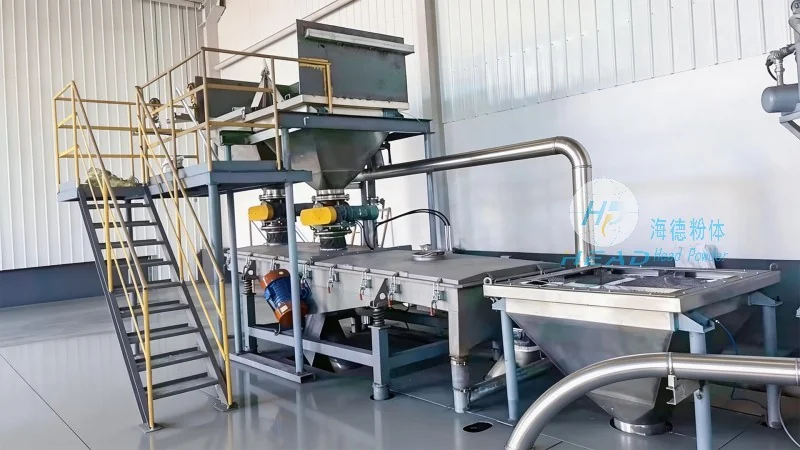
The pneumatic conveying system for PVB typically consists of several integrated components that work in harmony to achieve efficient material transport. The primary structures include the feeding unit, conveying pipeline, separation equipment, and control system. Each component plays a vital role in maintaining the integrity and quality of the PVB material during the conveying process.
The Feeding Unit: Ensuring Controlled Material Input
The feeding unit is the initial stage of the PVB pneumatic conveying system, responsible for accurately and uniformly feeding the polymer into the conveying pipeline. This component is critical as it directly impacts the system's performance and the quality of the transported material. In systems designed by Shandong HeadPowder Engineering Co., Ltd., the feeding unit often incorporates advanced mechanisms such as screw feeders or rotary valves that ensure consistent material flow, minimizing the risk of blockages or uneven feeding. The design of the feeding unit is tailored to handle the specific properties of PVB, including its moisture content and bulk density, to maintain optimal conveying conditions.
The Conveying Pipeline: Efficient Material Transport
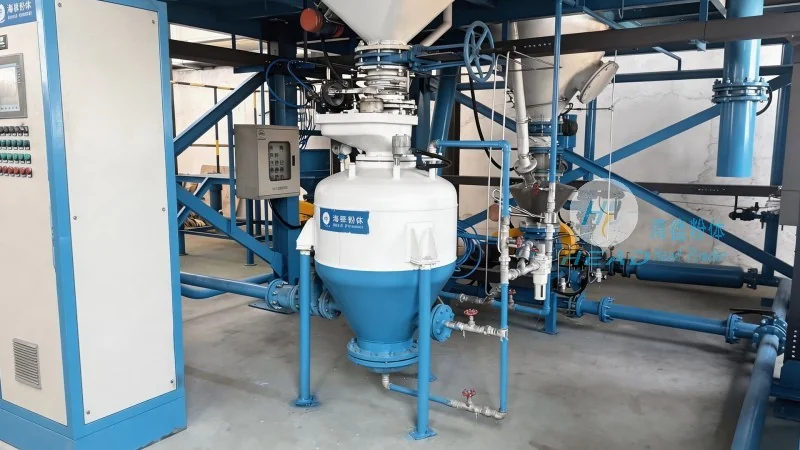
The conveying pipeline is the central part of the PVB pneumatic conveying system, responsible for transporting the PVB material from the feeding unit to the destination point. The pipeline is typically made of materials that are compatible with PVB, such as stainless steel or specialized polymers, to prevent chemical reactions or degradation of the polymer. The design of the pipeline includes features like smooth inner surfaces and appropriate diameter to minimize friction and pressure drop, ensuring efficient and energy-efficient transport. Shandong HeadPowder Engineering Co., Ltd. employs state-of-the-art pipeline designs that optimize the flow of PVB, reducing energy consumption and extending the lifespan of the system components.
Separation Equipment: Ensuring Clean and Dry PVB
After the PVB material is conveyed to its destination, the separation equipment is used to separate the material from the air stream and collect it in a storage or processing container. This component is essential for maintaining the purity and quality of the PVB, as any residual air or moisture can affect its performance in downstream applications. The separation equipment in PVB pneumatic conveying systems often includes cyclones or bag filters that effectively separate the material from the air. The design of these components is critical to prevent clogging and ensure continuous operation. Shandong HeadPowder Engineering Co., Ltd. integrates high-efficiency separation technologies into their systems, ensuring that the PVB material is collected in a clean and dry state, ready for further processing.
The Control System: Monitoring and Managing the Process
The control system is the brain of the PVB pneumatic conveying system, responsible for monitoring and managing all aspects of the conveying process. This component includes sensors, controllers, and software that track parameters such as pressure, flow rate, and temperature, ensuring that the system operates within optimal conditions. The control system also provides alerts and alarms in case of any anomalies, allowing for timely intervention and preventing system failures. Shandong HeadPowder Engineering Co., Ltd. utilizes advanced control technologies to enhance the reliability and efficiency of their PVB pneumatic conveying systems, providing users with a user-friendly interface for monitoring and managing the process.
Customization and Integration: Tailored Solutions for PVB Handling
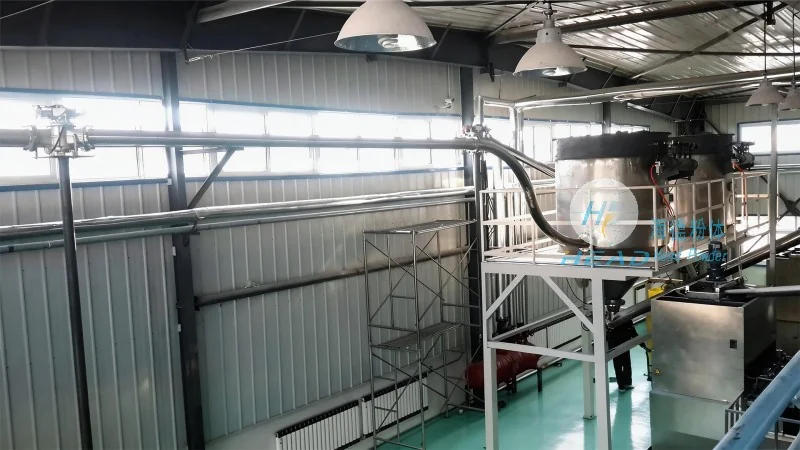
One of the key advantages of PVB pneumatic conveying systems designed by Shandong HeadPowder Engineering Co., Ltd. is their ability to be customized to meet the specific needs of different industries and applications. The company offers tailored solutions that integrate the main structural components with additional features such as dust collection systems, material drying units, or integration with existing production lines. This customization ensures that the PVB pneumatic conveying system is optimized for the specific requirements of the user, improving efficiency and reducing operational costs. The expertise of Shandong HeadPowder Engineering Co., Ltd. in designing and manufacturing PVB pneumatic conveying systems has made them a trusted partner for industries dealing with this critical polymer.
As a leading manufacturer based in Shandong, China, Shandong HeadPowder Engineering Co., Ltd. combines years of experience and advanced technology to provide high-quality PVB pneumatic conveying systems. Their commitment to quality and customer satisfaction has earned them a reputation as a reliable supplier in the industry. By understanding the main structures of PVB pneumatic conveying systems and the role of each component, users can make informed decisions when selecting or maintaining their PVB handling equipment, ensuring optimal performance and longevity of their systems.