

What is Aggregate Pneumatic Conveying? Classification and Applications of Pneumatic Conveying
Aggregate pneumatic conveying is a method used to transport bulk materials such as aggregates, powders, and granules through a pipeline using air or gas as the conveying medium. This technology offers a flexible and efficient solution for material handling in various industrial applications. The process involves creating a flow of air that moves the material particles through the pipeline, enabling the transfer of materials without the need for mechanical components like belts or buckets.
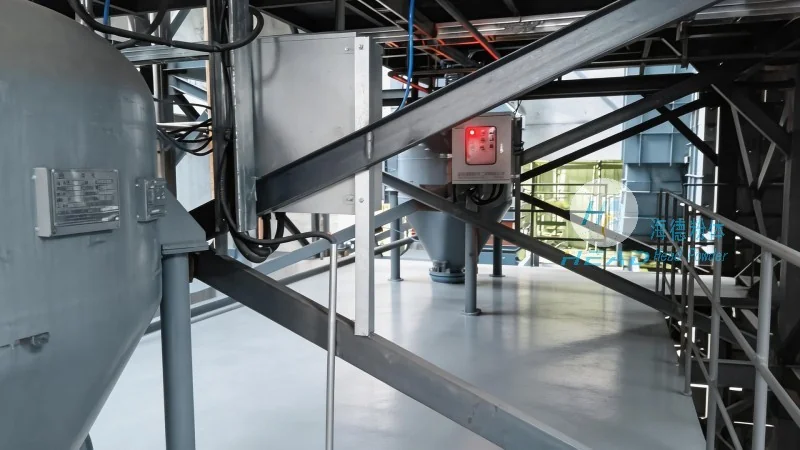
Introduction to Aggregate Pneumatic Conveying
Shandong HeadPowder Engineering Co., Ltd., a leading manufacturer based in China, specializes in providing advanced pneumatic conveying solutions for diverse industrial needs. With a strong commitment to innovation and quality, the company has established itself as a trusted partner in the material handling industry. HeadPowder's expertise lies in designing and manufacturing efficient pneumatic conveying systems tailored to the specific requirements of clients, ensuring optimal performance and reliability.
Types of Pneumatic Conveying Systems
Pneumatic conveying systems are broadly classified into two main categories: dilute-phase and dense-phase systems. Dilute-phase systems operate at higher air velocities, typically moving material particles in a dispersed state, making them suitable for long-distance and high-volume transport. Dense-phase systems, on the other hand, use lower air velocities and higher material concentrations, which is ideal for transporting sensitive or abrasive materials that require gentle handling.
Within these categories, sub-types include positive pressure, negative pressure, and mixed pressure systems. Positive pressure systems use compressed air to push material through the pipeline, while negative pressure systems use vacuum to draw material from the source. Mixed pressure systems combine both approaches to achieve optimal performance under varying conditions.
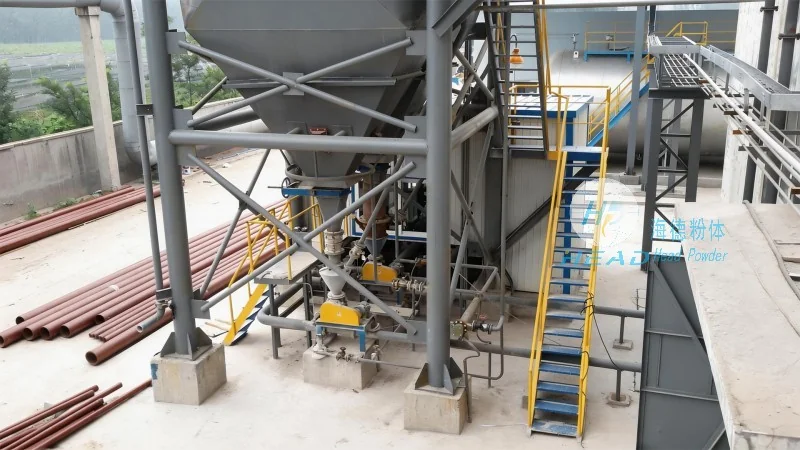
Applications of Pneumatic Conveying in Aggregate Handling
Aggregate pneumatic conveying is widely used in construction, mining, and manufacturing industries. In construction, it facilitates the transport of sand, gravel, and other aggregates from storage to mixing plants or construction sites, improving workflow efficiency and reducing labor costs. In mining operations, it enables the safe and efficient removal of ore and waste materials from underground or surface mines, enhancing operational safety and productivity.
In manufacturing, pneumatic conveying systems are employed in the production of concrete, asphalt, and other building materials. The technology allows for precise control over material flow, ensuring consistent quality in the final products. Additionally, it is used in the processing of raw materials for cement production, where the transport of limestone and other minerals is critical to the manufacturing process.
Advantages of Using Pneumatic Conveying for Aggregates
One of the key advantages of aggregate pneumatic conveying is its ability to handle a wide range of material sizes and shapes without the need for pre-processing. This flexibility makes it suitable for transporting both fine powders and large aggregates. Another advantage is the reduced risk of contamination, as the system operates in a closed environment, preventing dust and other particles from entering the workspace. Furthermore, pneumatic conveying systems are energy-efficient compared to traditional methods like belt conveyors, leading to lower operational costs over time.
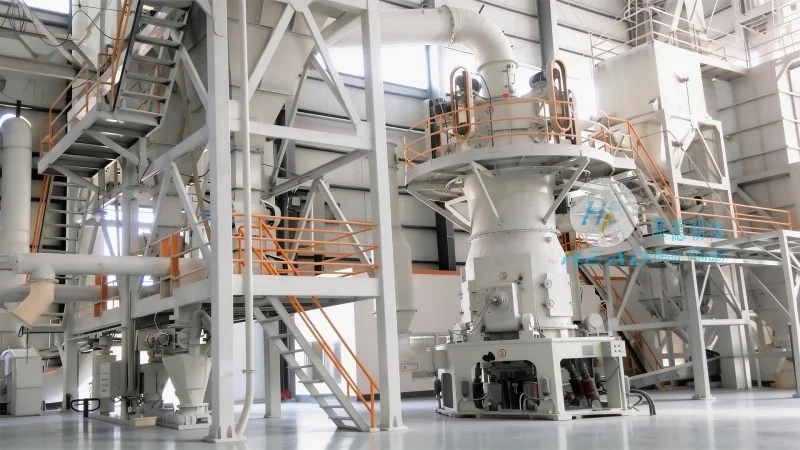
Challenges and Solutions in Aggregate Pneumatic Conveying
Despite its benefits, aggregate pneumatic conveying faces challenges such as system clogging, material degradation, and energy consumption. Clogging can occur due to the accumulation of fine particles or moisture in the pipeline. To address this, HeadPowder employs advanced design features, including pulse-jet cleaning and self-cleaning filters, to maintain system efficiency. Material degradation is minimized by using appropriate materials for the pipeline and components, ensuring durability and resistance to abrasion. Energy consumption is optimized through the use of variable frequency drives and efficient air compressors, reducing operational costs.
Customization and Integration by Shandong HeadPowder
Shandong HeadPowder Engineering Co., Ltd. offers customized pneumatic conveying solutions tailored to the unique needs of each client. The company works closely with clients to understand their specific requirements, including material characteristics, transport distances, and operational constraints. By leveraging its expertise in system design and manufacturing, HeadPowder provides comprehensive solutions that integrate seamlessly with existing facilities. The company's team of engineers uses advanced software and simulation tools to model and optimize the conveying system, ensuring the best possible performance and reliability.
Conclusion
Aggregate pneumatic conveying is a highly effective and versatile technology for material handling in various industries. With its ability to transport materials efficiently and safely, it has become an essential component in modern industrial operations. Shandong HeadPowder Engineering Co., Ltd. continues to innovate and improve its pneumatic conveying systems, providing clients with reliable and efficient solutions that meet the evolving demands of the industry. By combining advanced technology with expert engineering, HeadPowder ensures that its customers achieve optimal performance and cost savings in their material handling processes.