

Types and Characteristics of Granular Fertilizer Pneumatic Conveying Systems and Their Applications
Granular fertilizer pneumatic conveying systems are critical in modern agricultural and industrial operations, enabling efficient and safe transport of fertilizer materials. These systems utilize air pressure to move bulk materials, offering advantages over traditional mechanical conveying methods. Understanding the types, characteristics, and application ranges of such systems is essential for optimizing operational efficiency and ensuring product integrity.
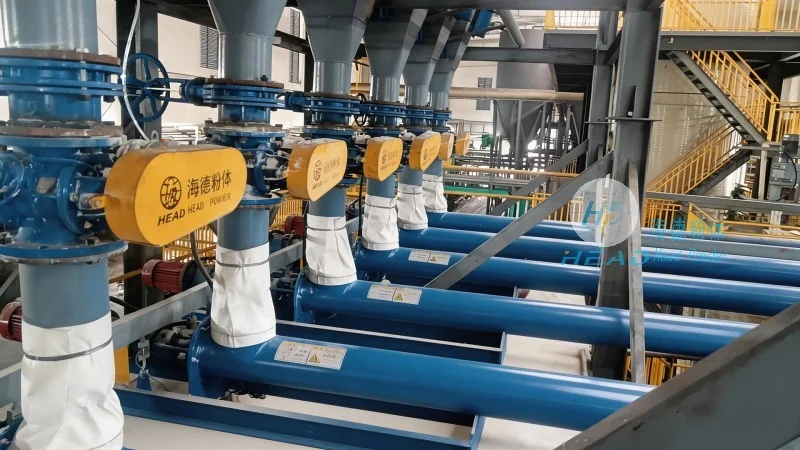
Types of Granular Fertilizer Pneumatic Conveying Systems
There are primarily two main categories of pneumatic conveying systems used for granular fertilizers: positive pressure systems and negative pressure systems. Each type has distinct operational principles and is suited for different scenarios.
Positive pressure systems operate by blowing air into the conveying line, creating a pressure higher than the ambient air. This method is ideal for short to medium distance applications and can handle a wide range of particle sizes and moisture contents. The system typically includes a blower, a hopper, and a discharge point, with air being continuously supplied to maintain the pressure. Positive pressure systems are often preferred for their simplicity and lower maintenance requirements.
Negative pressure systems, on the other hand, create a vacuum in the conveying line, drawing material from the source. This approach is suitable for longer distances and can handle more abrasive or dusty materials. The system consists of a vacuum pump, a hopper, and a filter to capture fine particles. Negative pressure systems are generally more complex and require more maintenance due to the need for filtration and air cleaning.
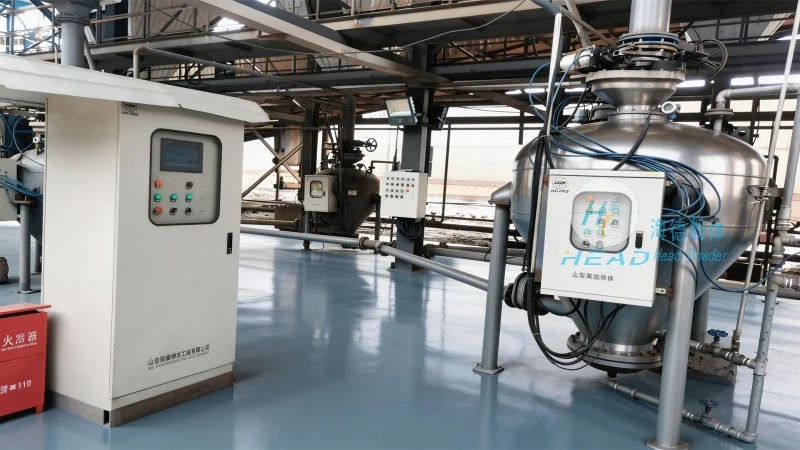
Additionally, some advanced systems combine elements of both positive and negative pressure, known as mixed or hybrid systems. These systems offer flexibility, allowing for both pressure and vacuum operations depending on the conveying requirements. Hybrid systems are particularly useful for complex layouts with varying distances and elevation changes.
Key Features of Granular Fertilizer Pneumatic Conveying Systems
Efficiency and speed are primary advantages of pneumatic conveying systems. They can transport materials at high velocities, reducing overall processing time compared to mechanical methods. The systems are also highly flexible, capable of moving materials through complex routes, including vertical lifts and horizontal changes in direction. This flexibility makes them suitable for diverse facility layouts.
Cleanliness and product integrity are another critical feature. Unlike mechanical conveyors that may cause material degradation or contamination, pneumatic systems keep the fertilizer particles in an enclosed environment, minimizing exposure to external elements and reducing the risk of caking or agglomeration. This is particularly important for sensitive fertilizers that require careful handling to maintain their quality.
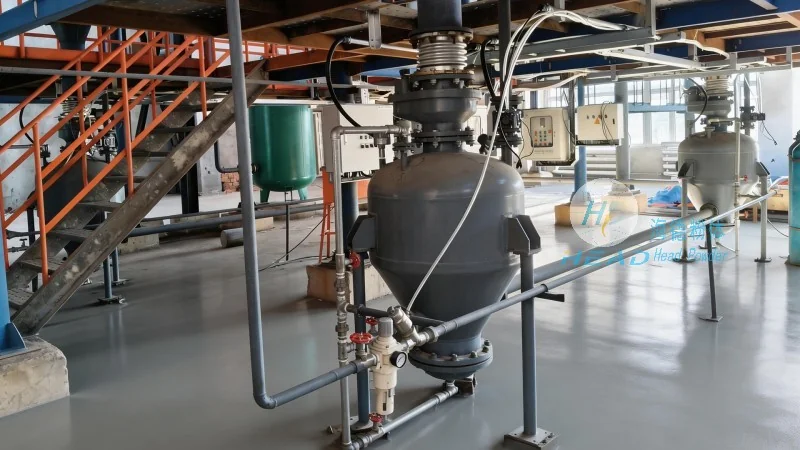
Operational safety is enhanced with pneumatic conveying. The enclosed system prevents dust emissions, reducing health hazards and environmental pollution. Additionally, the systems can be equipped with safety features such as pressure relief valves and emergency shut-off mechanisms, ensuring safe operation in industrial settings.
Application Ranges of Granular Fertilizer Pneumatic Conveying Systems
Granular fertilizer pneumatic conveying systems are widely used in various stages of the fertilizer production and distribution process. In manufacturing facilities, they are used to transport raw materials from storage to processing units, and finished products from production lines to packaging areas. This ensures a continuous flow of materials within the plant, minimizing bottlenecks and improving overall productivity.
In storage and warehousing operations, these systems facilitate the loading and unloading of bulk fertilizers from trucks, silos, and storage bins. The ability to handle large volumes quickly makes them ideal for high-throughput facilities, where efficient material handling is crucial for meeting market demands.
Long-distance transportation is another key application. Pneumatic systems can transport fertilizers over several kilometers, connecting production sites to distribution centers or ports. This is particularly beneficial for remote locations where traditional conveyor belts may not be feasible due to terrain or infrastructure constraints.
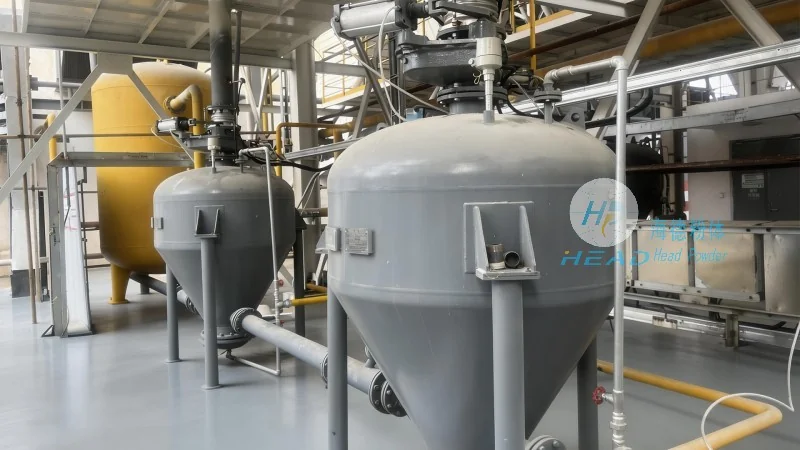
Customized systems are also used in specialized applications, such as handling specific types of fertilizers like nitrogen, phosphorus, or potassium compounds. The systems can be tailored to handle different particle sizes, moisture levels, and chemical properties, ensuring optimal performance for each application.
About Shandong HeadPowder Engineering Co., Ltd.
Shandong HeadPowder Engineering Co., Ltd., commonly known as HeadPowder, is a leading manufacturer of advanced pneumatic conveying systems for the fertilizer industry. With a focus on innovation and quality, HeadPowder provides customized solutions tailored to the unique needs of agricultural and industrial clients. The company's expertise lies in designing and manufacturing efficient, reliable, and durable systems that meet the highest industry standards.
HeadPowder's products are engineered to enhance operational efficiency, reduce maintenance costs, and improve product quality. The company's team of engineers and technicians work closely with clients to understand their specific requirements, ensuring that the final system is optimized for performance and longevity. Whether for short-distance internal transport or long-distance distribution, HeadPowder's pneumatic conveying systems offer robust solutions that deliver consistent results.