

Types, Characteristics, and Application Ranges of Mineral Particle Pneumatic Conveying Systems
For industrial operations dealing with mineral particles, selecting the right pneumatic conveying system is crucial for efficiency and reliability. This article explores the various types of mineral particle pneumatic conveying systems, their key characteristics, and the diverse application ranges where they excel. The information presented here is brought to you by Shandong HeadPowder Engineering Co., Ltd., a leading provider of advanced material handling solutions in China.
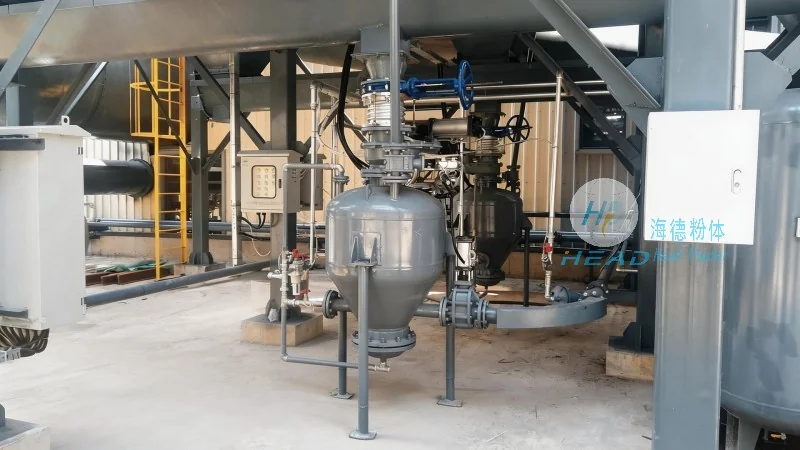
Understanding Mineral Particle Pneumatic Conveying Systems
Pneumatic conveying systems use air or other gases to transport solid particles through a pipeline. These systems are widely used in industries such as mining, chemicals, food processing, and pharmaceuticals due to their ability to handle a wide range of particle sizes, shapes, and densities. The effectiveness of a pneumatic conveying system depends on several factors, including the type of system, the properties of the material being conveyed, and the operational requirements of the application.
Types of Mineral Particle Pneumatic Conveying
There are primarily three types of pneumatic conveying systems for mineral particles: dilute-phase, dense-phase, and hybrid systems. Each type has distinct characteristics and is suitable for different operational conditions.
Dilute-Phase Pneumatic Conveying
Dilute-phase systems operate by transporting particles in a low concentration within the conveying air. This method is ideal for short to medium distances and for materials that are non-abrasive or have low dust generation. The system typically uses high-velocity air to move particles, making it suitable for applications where quick and efficient transport is required. The key characteristic of dilute-phase systems is their high throughput and relatively low pressure requirements.
Dense-Phase Pneumatic Conveying
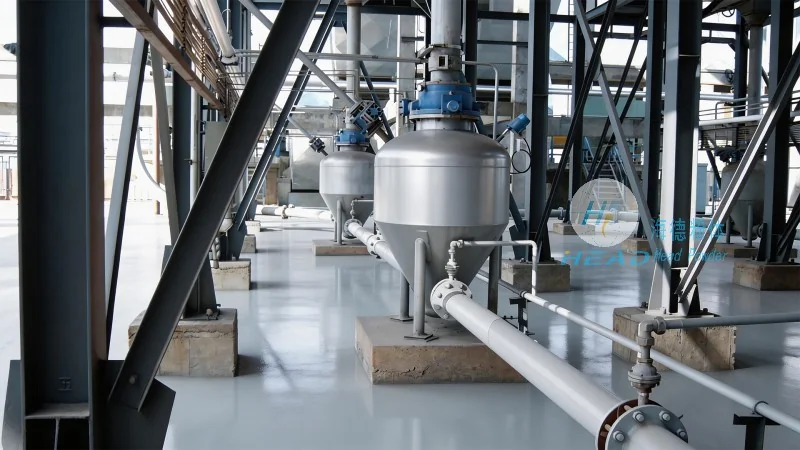
Dense-phase systems, also known as low-velocity or high-pressure systems, transport particles in a higher concentration, often forming a slurry-like mixture with the conveying medium. This method is particularly effective for abrasive or sensitive materials, as it reduces particle impact and wear on the system components. Dense-phase systems are commonly used for longer distances and for materials that require gentle handling to prevent degradation. The primary advantage of this type is its ability to handle difficult-to-transport materials with minimal damage.
Hybrid Pneumatic Conveying Systems
Hybrid systems combine elements of both dilute-phase and dense-phase operations. They use a combination of low and high velocities to optimize performance for specific applications. For instance, a hybrid system might use high velocity in the initial stages to accelerate particles and then switch to a lower velocity for the final stages to ensure gentle handling. This flexibility makes hybrid systems suitable for a wide range of materials and operational scenarios.
Key Characteristics of Mineral Particle Pneumatic Conveying
Regardless of the type, all mineral particle pneumatic conveying systems share several key characteristics that contribute to their effectiveness. These include:
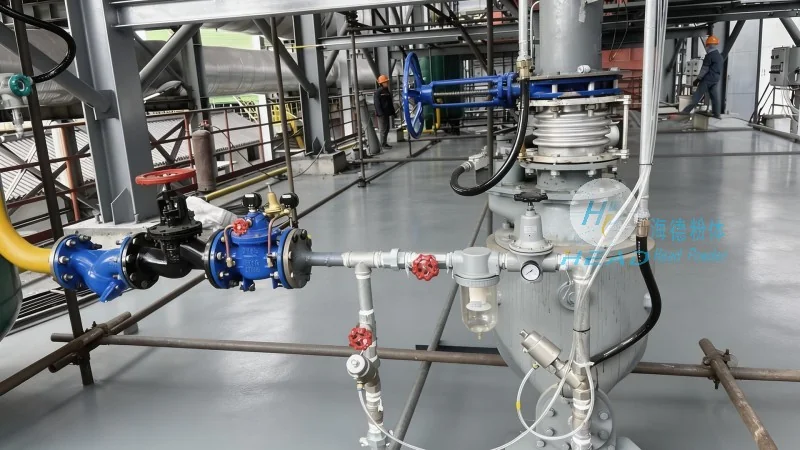
- Efficiency and Throughput: Modern systems are designed to maximize material throughput while minimizing energy consumption. Advanced control systems and optimized air flow rates help achieve high efficiency.
- Material Handling Flexibility: Pneumatic conveying systems can handle a wide variety of mineral particles, including powders, granules, and bulk materials. They are adaptable to different particle sizes, shapes, and densities.
- Space Efficiency: Unlike traditional belt or bucket elevators, pneumatic systems require less floor space and can be installed in vertical or horizontal configurations, making them suitable for compact industrial settings.
- Reduced Downtime and Maintenance: Well-designed systems with proper maintenance schedules can minimize downtime and reduce long-term operational costs. The use of high-quality materials and components contributes to durability and reliability.
Application Ranges of Mineral Particle Pneumatic Conveying
The application ranges of mineral particle pneumatic conveying systems are extensive and cover various industries and processes. Here are some of the key areas where these systems are commonly used:
Mining and Mineral Processing
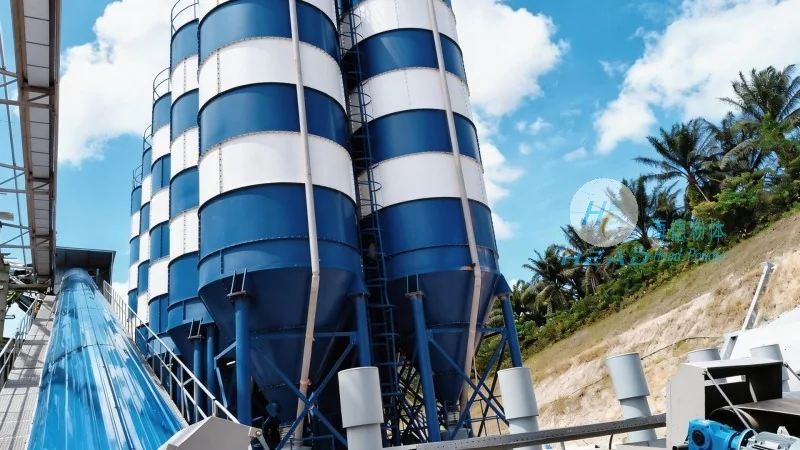
In the mining industry, pneumatic conveying systems are used to transport raw minerals from extraction sites to processing facilities. They are particularly useful for transporting abrasive materials like coal, ore, and sand. The ability to handle high volumes and long distances makes these systems ideal for large-scale mining operations. For example, in coal handling plants, dense-phase systems are used to transport coal from storage silos to processing equipment with minimal degradation.
Chemical and Petrochemical Industries
The chemical and petrochemical sectors rely on pneumatic conveying for transporting various powders and granules, such as chemicals, catalysts, and additives. These materials often require gentle handling to prevent agglomeration or degradation. Dilute-phase systems are commonly used for short to medium distances, while dense-phase systems are preferred for longer distances or for sensitive materials. The systems help maintain product quality and reduce contamination risks.
Food and Pharmaceutical Industries
In the food and pharmaceutical industries, pneumatic conveying systems are used to transport ingredients, powders, and finished products. The primary considerations in these applications are hygiene, safety, and product purity. The systems are designed with materials that are food-grade or pharmaceutical-grade, and they often include features like dust collection and filtration to ensure a clean environment. For instance, in pharmaceutical manufacturing, dense-phase systems are used to transport active pharmaceutical ingredients (APIs) with strict quality control measures.
Power Generation and Energy Industries
Pneumatic conveying is widely used in power generation facilities to transport coal, ash, and other materials. In coal-fired power plants, dilute-phase systems are used to transport coal from storage to the boiler, while dense-phase systems are used to handle fly ash from the boiler to storage or disposal sites. The systems help improve operational efficiency and reduce the risk of material handling accidents.
Conclusion
Mineral particle pneumatic conveying systems offer a versatile and efficient solution for transporting a wide range of materials in various industrial applications. The choice of system type depends on factors such as material properties, distance, and operational requirements. By understanding the different types, characteristics, and application ranges, industries can select the most appropriate pneumatic conveying system to meet their specific needs. Shandong HeadPowder Engineering Co., Ltd. specializes in designing and manufacturing customized pneumatic conveying solutions that cater to the unique requirements of each client, ensuring optimal performance and reliability.