

Introduction to and Structural Principles of Pneumatic Conveying of Alumina Powder
Alumina powder, a critical material in various industrial applications, often requires efficient and reliable transportation methods to ensure consistent quality and process stability. Pneumatic conveying stands out as a preferred solution for handling such powders, offering advantages like dust-free operation, reduced material degradation, and the ability to transport materials over considerable distances. This article provides an overview of pneumatic conveying systems specifically designed for alumina powder, detailing their structural principles and operational mechanisms.
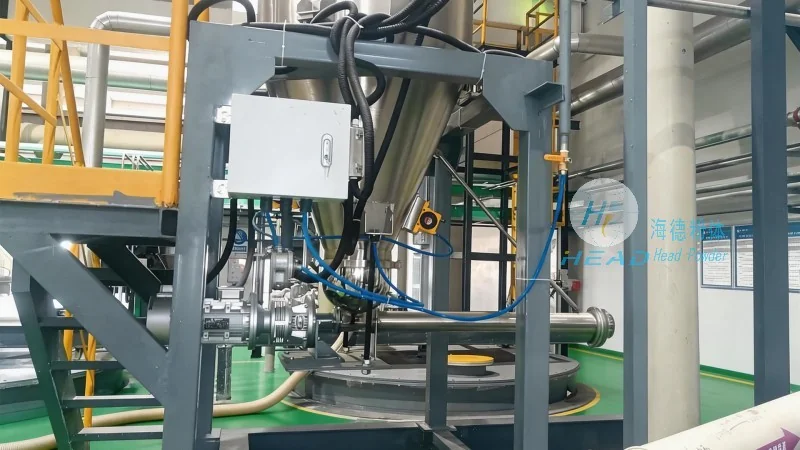
Company Profile and Expertise
Shandong HeadPowder Engineering Co., Ltd., commonly known as headpowder, is a leading provider of specialized engineering solutions for powder handling and material transport. With a strong focus on innovation and customer-centric design, the company has established itself as a trusted partner in the alumina and related industries. Headpowder's expertise lies in developing tailored pneumatic conveying systems that meet the unique challenges of handling alumina powder, ensuring optimal performance and durability in demanding industrial environments. The company's operational base is located in Shandong, China, where it leverages local resources and industry knowledge to deliver high-quality products and services.
Understanding Pneumatic Conveying for Alumina Powder
Pneumatic conveying involves the transport of solid particles, such as alumina powder, using a gas stream, typically air or a mixture of air and other gases. This method is particularly suitable for alumina powder due to its fine particle size and the need to minimize contamination and material attrition during handling. The core principle of pneumatic conveying is to create a flow of air that lifts and moves the powder particles through a pipeline system. The efficiency of this process depends on several key factors, including the air velocity, particle size distribution, and the design of the conveying equipment.
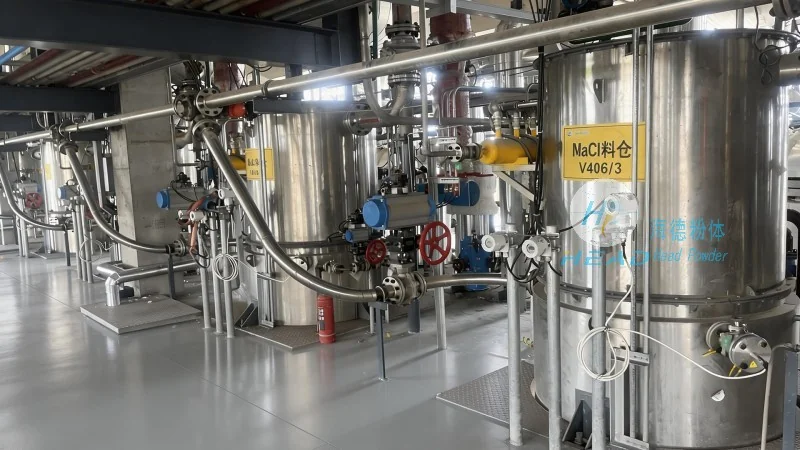
Structural Components of Pneumatic Conveying Systems
A typical pneumatic conveying system for alumina powder consists of several essential components, each playing a critical role in the overall operation. The primary components include a feeding device, a conveying line, a separation unit, and a collection system. The feeding device, often a rotary valve or a feeder, introduces the alumina powder into the system at a controlled rate, ensuring a steady flow of material. The conveying line, usually made of stainless steel or other corrosion-resistant materials, transports the powder and air mixture from the feeding point to the destination. The separation unit, such as a cyclone or a filter, separates the powder from the air stream, allowing the powder to be collected while the air is either recycled or vented. The collection system, which may include a hopper or a silo, stores the conveyed alumina powder for subsequent use.
Operational Principles and Flow Dynamics
The operation of a pneumatic conveying system for alumina powder relies on the interaction between the air flow and the powder particles. When air is introduced into the conveying line at a sufficient velocity, it creates a low-pressure zone that draws the powder particles into the air stream. The particles are then carried along the pipeline by the moving air, maintaining a consistent flow rate. The design of the system, including the size and shape of the conveying line, the angle of the components, and the air pressure, all influence the efficiency and effectiveness of the conveying process. Properly designed systems ensure that the alumina powder is transported without clogging, agglomeration, or excessive wear on the equipment.
Advantages of Pneumatic Conveying for Alumina Powder
Pneumatic conveying offers several advantages when handling alumina powder. One of the most significant benefits is the ability to maintain a dust-free environment, which is crucial for both worker safety and product quality. Unlike other methods, such as mechanical conveying, pneumatic systems do not generate dust clouds that can lead to contamination or respiratory issues. Additionally, pneumatic conveying reduces the risk of material degradation, as the powder is not subjected to friction or impact during transport. This is particularly important for alumina powder, which can be sensitive to mechanical stress. The system also allows for flexible and scalable operation, enabling the transport of alumina powder over long distances or between different processing stages with minimal disruption.
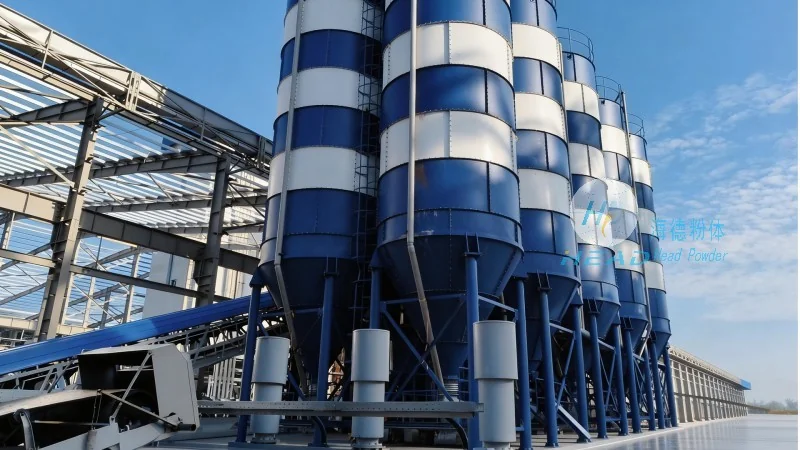
Applications and Industry Impact
The applications of pneumatic conveying systems for alumina powder span across various industries, including ceramics, refractories, and chemical manufacturing. In the ceramics industry, alumina powder is used as a raw material for producing high-quality ceramic products, and pneumatic conveying ensures that the powder is delivered to the production line in a controlled manner. In refractory manufacturing, alumina powder is used to create refractory bricks and other components, and the efficiency of the conveying system directly impacts the quality and consistency of the final products. The ability to handle alumina powder efficiently and reliably has a positive impact on overall production efficiency and cost-effectiveness in these industries.
Conclusion and Future Directions
In conclusion, pneumatic conveying systems represent an effective and reliable method for handling alumina powder, offering numerous benefits over traditional transportation methods. The structural principles and operational mechanisms of these systems are designed to optimize the transport of fine powders while minimizing risks and ensuring product quality. As the demand for alumina powder continues to grow in various industrial applications, the importance of efficient and robust conveying systems will only increase. Companies like Shandong HeadPowder Engineering Co., Ltd. play a vital role in providing tailored solutions that meet the specific needs of their clients, ensuring that alumina powder is handled safely and effectively in modern industrial settings.