

Operation Process and Working Principle of Fine Sand Material Pneumatic Conveying Lines
HeadPowder, a leading engineering company based in Shandong, China, specializes in the design, manufacturing, and installation of advanced pneumatic conveying systems for various industrial applications. Our expertise lies in handling fine sand materials efficiently and reliably, ensuring optimal performance and minimal downtime for our clients.
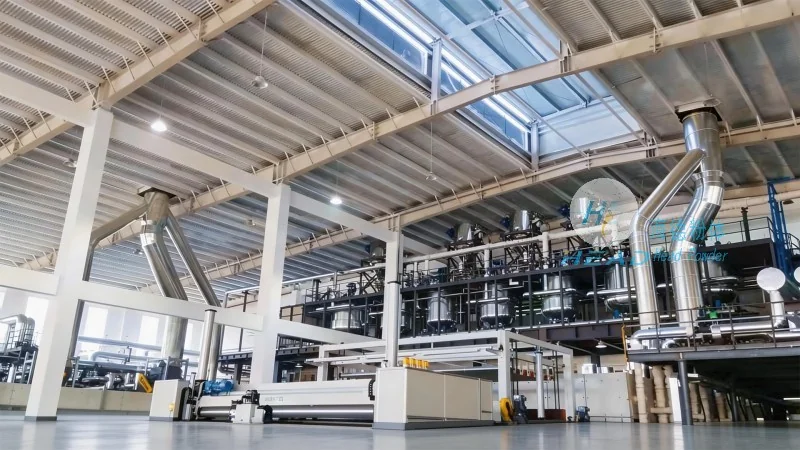
Pneumatic Conveying Systems for Fine Sand Materials
At HeadPowder, we develop customized pneumatic conveying lines tailored to the unique requirements of fine sand processing industries. These systems are engineered to transport fine sand from storage silos, processing units, or production lines to final destinations such as packaging stations, mixing facilities, or waste disposal areas. The core of our solution involves a network of pipelines, air movers, and control systems that work in harmony to achieve seamless material movement.
The Operation Process of Fine Sand Pneumatic Conveying Lines
The operation of a fine sand pneumatic conveying line begins with the preparation of the material. Fine sand is typically stored in bulk containers or silos, where it is fed into the conveying system via a hopper or feeder. The feeder regulates the flow rate of the sand, ensuring a consistent and controlled supply to the system. Once the sand enters the pipeline, it is mixed with compressed air, which acts as the transport medium. The air, under pressure, propels the fine sand particles through the pipeline, maintaining a stable flow and preventing clogging or blockages.
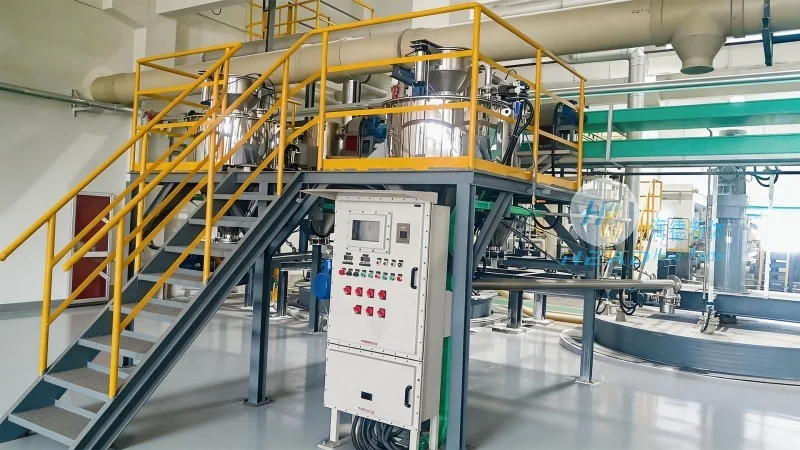
During the conveying process, the system continuously monitors pressure, flow rate, and material density to maintain optimal performance. Sensors and control valves adjust the air pressure and flow as needed, ensuring that the fine sand moves smoothly and efficiently. The conveying line may include bends, elbows, or vertical sections, which are designed with smooth transitions to minimize friction and particle degradation. At the destination point, the sand is separated from the air using a separator or cyclone, where the air is filtered and released, while the fine sand is collected in a receiving hopper or container.
Working Principle of Fine Sand Pneumatic Conveying Lines
The working principle of fine sand pneumatic conveying lines is based on the fundamental physics of fluid dynamics and particle transport. The system utilizes compressed air to create a flow that carries the fine sand particles through the pipeline. This method, known as dilute-phase or dense-phase pneumatic conveying, depends on the balance between air velocity and particle size, density, and moisture content. In dilute-phase conveying, the air velocity is high enough to keep the particles suspended in the air stream, while in dense-phase conveying, the air velocity is lower, allowing the particles to form a slurry-like flow.
Key components of the system include the air compressor, which generates the necessary pressure and volume of air; the feeder, which controls the material feed rate; the pipeline, which provides the path for material and air transport; the separator, which separates the sand from the air; and the control system, which monitors and adjusts the operation parameters. The air compressor is typically a positive displacement type, such as a rotary lobe or screw compressor, designed to deliver high-pressure air at a consistent flow rate. The feeder may be a rotary valve, screw feeder, or vibratory feeder, depending on the material characteristics and flow requirements.
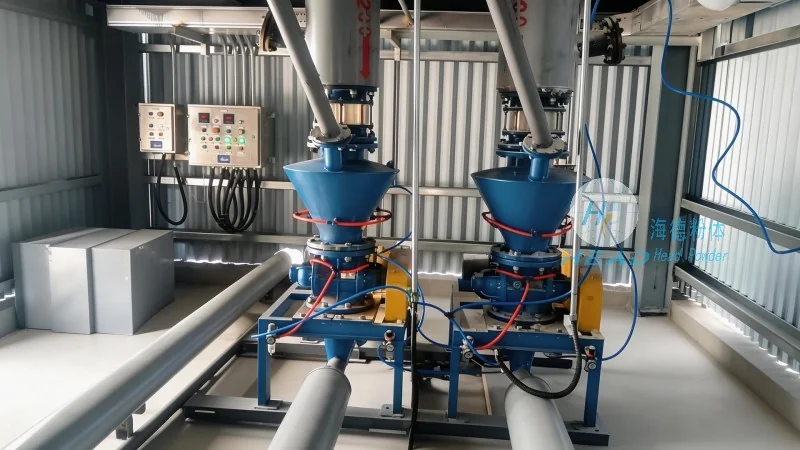
The pipeline system is constructed from materials resistant to abrasion and corrosion, such as stainless steel or high-density polyethylene, to withstand the abrasive nature of fine sand and the potential for moisture or chemical exposure. Bends and elbows are carefully designed with smooth, rounded transitions to reduce pressure loss and prevent particle accumulation. The separator, often a cyclone or bag filter, uses centrifugal force to separate the sand from the air, with the air being filtered and discharged to the atmosphere or recirculated if necessary.
Advantages of Fine Sand Pneumatic Conveying Lines
HeadPowder's fine sand pneumatic conveying lines offer several advantages over traditional mechanical conveying methods. These include reduced material handling costs, as there are no moving parts in contact with the sand, minimizing wear and tear and maintenance requirements. The system also provides a hygienic and dust-free environment, which is crucial for food, pharmaceutical, and other sensitive industries. Additionally, pneumatic conveying allows for flexible and modular system designs, enabling easy expansion or reconfiguration as production needs change.
Another key advantage is the ability to transport fine sand over long distances with minimal energy consumption. The system's efficiency is enhanced by the use of energy-efficient air compressors and optimized pipeline designs, which reduce pressure losses and improve overall system performance. Furthermore, the lack of mechanical components reduces the risk of material contamination and ensures a consistent product quality throughout the conveying process.
Applications and Industries
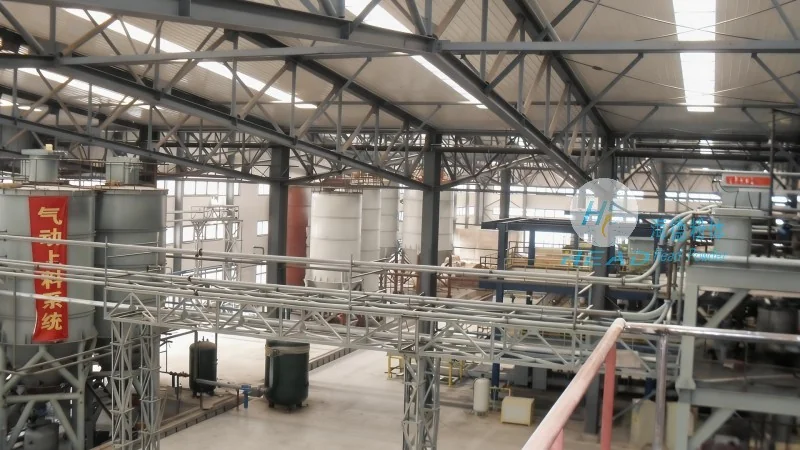
Fine sand pneumatic conveying lines are widely used in various industries, including construction, mining, chemical processing, and food manufacturing. In the construction industry, these systems are used to transport sand from stockpiles to concrete mixing plants or construction sites. In mining operations, they help move fine sand from processing units to storage or disposal areas. The chemical industry utilizes pneumatic conveying for transporting sand-based raw materials or products, while the food industry relies on these systems for handling sand in food processing or packaging lines.
HeadPowder's expertise in fine sand pneumatic conveying ensures that our clients receive tailored solutions that meet their specific operational and regulatory requirements. Our systems are designed to comply with industry standards and safety regulations, providing a reliable and efficient means of material transport for fine sand applications.