

Operation Process and Working Principle of Dust Material Pneumatic Conveying Lines
For industrial applications involving the transportation of dust and powdery materials, pneumatic conveying lines offer an efficient and reliable solution. These systems are designed to move bulk materials through a pipeline using air or gas as the conveying medium, eliminating the need for mechanical components like belts or buckets. The operation process and working principle of such systems are crucial for understanding their performance and optimizing their use in various industrial settings.

Overview of Pneumatic Conveying Systems
Pneumatic conveying lines are commonly used in industries such as pharmaceuticals, food processing, chemical manufacturing, and mining. They are particularly effective for handling materials that are abrasive, corrosive, or prone to dust generation. The core components of a typical pneumatic conveying system include a hopper for material storage, a conveyor line (pipeline), a blower or compressor to generate the conveying air, and a receiver or discharge point where the material is deposited. The system operates by creating a pressure differential between the inlet and outlet of the pipeline, which allows the material to be carried along with the air flow.
The Operation Process of Dust Material Pneumatic Conveying Lines
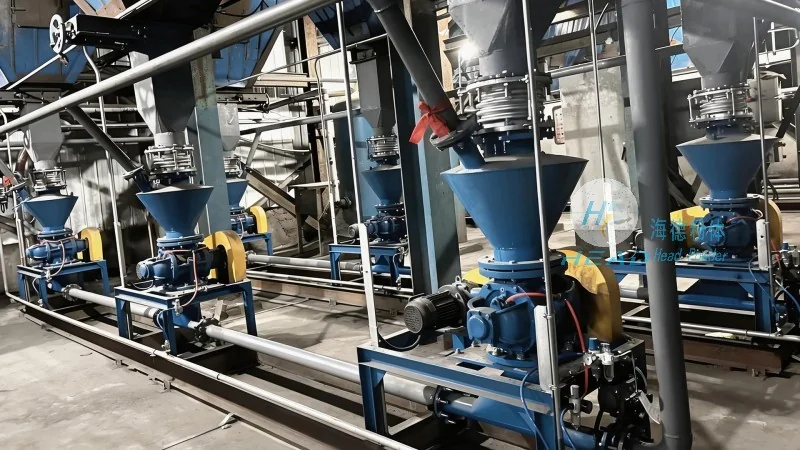
The operation process of a dust material pneumatic conveying line involves several key steps. First, the material is fed into the hopper from a storage silo or batch container. The hopper is equipped with a feeder, such as a rotary valve or a screw feeder, which controls the flow rate of the material into the pipeline. Next, the blower or compressor starts to operate, generating a flow of air or gas at a specific pressure and velocity. The air then enters the pipeline and mixes with the material from the hopper, forming a slurry or suspension that is carried through the conveyor line. The pipeline is typically made of materials like stainless steel, plastic, or metal, depending on the properties of the conveyed material and the operating conditions. As the material travels through the pipeline, it is subjected to the air flow, which maintains the material in a suspended state and prevents it from settling or clogging the line. The conveying velocity is carefully controlled to ensure that the material is transported efficiently without causing excessive wear on the pipeline or the blower.
Working Principle of Pneumatic Conveying Systems
The working principle of a pneumatic conveying system is based on the principle of fluidization and suspension. When air is introduced into the pipeline at a sufficient velocity, it creates a low-pressure zone that draws the material from the hopper into the pipeline. The material particles are then suspended in the air stream, and the combined flow of air and material moves through the pipeline to the discharge point. The pressure differential between the inlet and outlet of the pipeline is maintained by the blower or compressor, which provides the necessary energy to overcome the resistance caused by the material's density and the pipeline's friction. The system can operate in either positive pressure or negative pressure modes. In positive pressure systems, the blower supplies air under pressure, pushing the material through the pipeline. In negative pressure systems, a vacuum is created at the discharge end, pulling the material from the hopper into the pipeline. The choice between positive and negative pressure depends on the application requirements, such as the distance to be covered, the material's properties, and the need to minimize dust emissions.
Key Factors Affecting the Performance of Pneumatic Conveying Lines
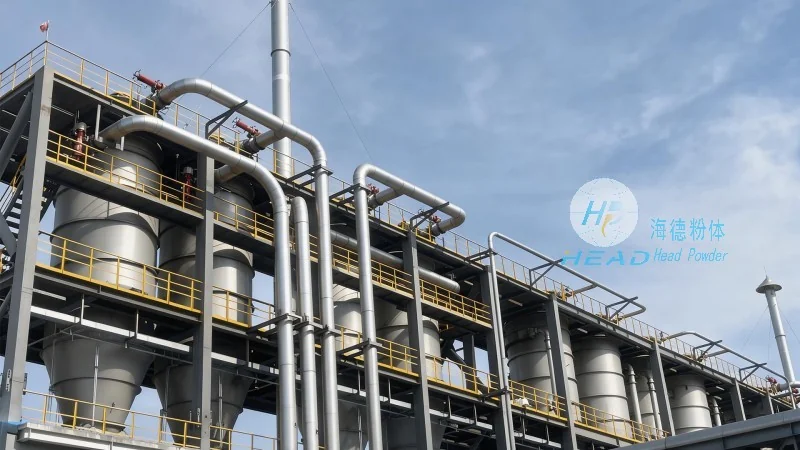
The performance of a dust material pneumatic conveying line is influenced by several factors, including the material's properties, the conveying velocity, the pipeline diameter, and the pressure differential. The material's density, particle size, and moisture content affect the required conveying velocity and pressure. For example, lighter and finer particles may require higher velocities to maintain suspension, while heavier or larger particles may need lower velocities to avoid excessive wear. The pipeline diameter is also critical, as a larger diameter reduces the friction losses and allows for higher material flow rates. The pressure differential is determined by the blower's capacity and the length and diameter of the pipeline. Proper design and maintenance of the system are essential to ensure optimal performance and to prevent issues such as clogging, corrosion, or excessive energy consumption.
Applications and Benefits of Pneumatic Conveying Lines
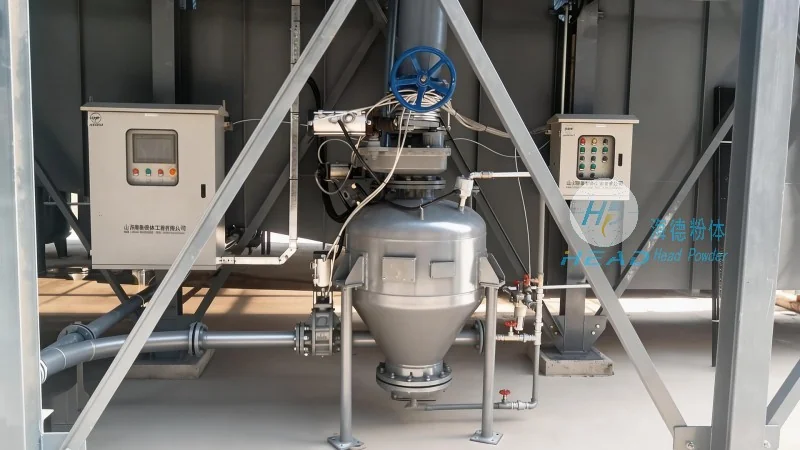
Pneumatic conveying lines are widely used in various industrial applications due to their flexibility and efficiency. They can transport materials over long distances, from a few meters to several kilometers, without the need for intermediate transfer points. The systems are also suitable for handling materials that are difficult to transport using conventional methods, such as those that are toxic, flammable, or require a sterile environment. The benefits of using pneumatic conveying lines include reduced labor costs, improved safety (as there are no moving parts exposed to the material), and lower maintenance requirements compared to mechanical conveyors. Additionally, the systems can be easily integrated with other processing equipment, such as mixers, classifiers, or storage silos, to form a complete material handling system.
About Shandong HeadPowder Engineering Co., Ltd.
Shandong HeadPowder Engineering Co., Ltd., commonly known as headpowder, is a leading manufacturer and supplier of pneumatic conveying systems and related equipment. With a strong focus on innovation and quality, the company has developed advanced solutions for the transportation of dust and powdery materials in various industries. Headpowder's products are designed to meet the specific requirements of each application, ensuring optimal performance and reliability. The company's headquarters is located in Shandong, China, and it serves clients worldwide with a commitment to providing high-quality products and excellent customer service. By leveraging its expertise in material handling technology, headpowder helps industries improve their operational efficiency and reduce costs while maintaining the highest standards of safety and environmental compliance.