

Operation Process and Working Principle of Pneumatic Conveying for Rice Husk Materials
Shandong HeadPowder Engineering Co., Ltd., a leading provider in the field of material handling solutions, specializes in the design, manufacturing, and installation of advanced pneumatic conveying systems. This article focuses on the operation process and working principle of pneumatic conveying for rice husk materials, a crucial component in various industrial applications such as biomass energy production, agricultural processing, and waste management. The system efficiently transports rice husk, a byproduct of rice milling, from storage to processing units, ensuring minimal loss and optimal performance.
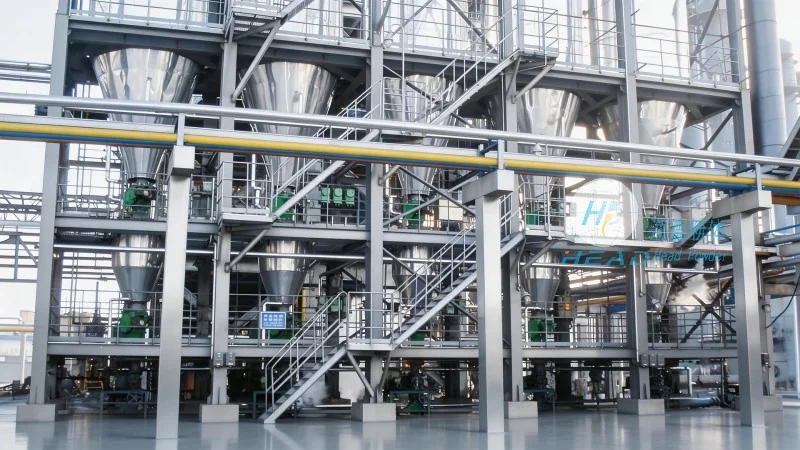
Company Overview and Expertise
HeadPowder, headquartered in Shandong, China, has established itself as a trusted name in the engineering sector, particularly in the development of customized material handling solutions. With years of experience and a team of skilled engineers, the company caters to diverse industrial needs, offering tailored pneumatic conveying systems that meet specific operational requirements. The company's commitment to quality and innovation has enabled it to deliver reliable and efficient solutions for clients across different industries.
Pneumatic Conveying System Components and Their Functions
A pneumatic conveying system for rice husk materials typically consists of several key components, each playing a vital role in the overall operation. These components include the hopper or storage bin, the conveyor line, the air supply system (blowers or compressors), and the control panel. The hopper serves as the primary storage unit, holding the rice husk before it is conveyed. The conveyor line, often made of flexible or rigid tubing, transports the material through the system. The air supply system generates the necessary airflow to move the material, while the control panel manages the system's operation, ensuring smooth and controlled transport.
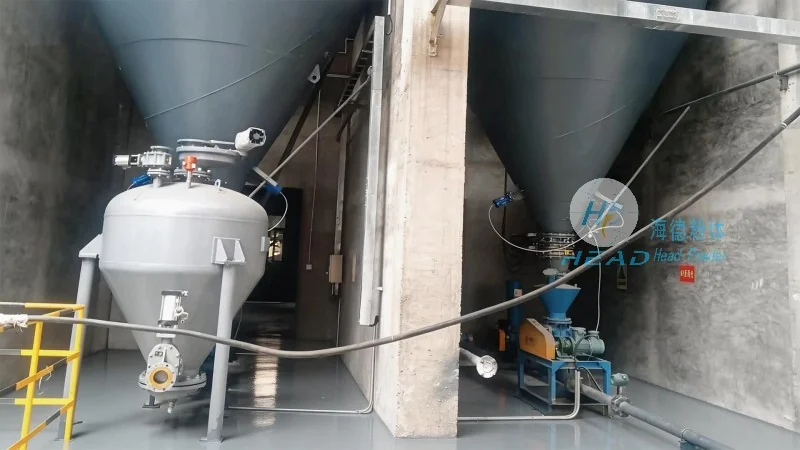
Operation Process of the Pneumatic Conveying System
The operation of a pneumatic conveying system for rice husk materials involves a series of steps that ensure efficient material transport. Initially, the rice husk is fed into the hopper from a storage area. The material then flows into the conveyor line under the influence of the air pressure generated by the blower. As the air flows through the system, it lifts and propels the rice husk particles, moving them from the hopper to the processing unit. The system maintains a consistent airflow and pressure to prevent blockages and ensure continuous operation. The control panel monitors the system's performance, adjusting the airflow as needed to maintain optimal conveying conditions.
Working Principle of the Pneumatic Conveying System
The working principle of the pneumatic conveying system is based on the principle of fluidization and pneumatic transport. The system uses compressed air to create a flow that carries the rice husk particles through the conveyor line. The air pressure is sufficient to overcome the gravitational force acting on the material, allowing it to be transported without the need for mechanical conveyors. The system operates under positive pressure, where the air pressure is higher than the ambient pressure, ensuring that the material is pushed through the system rather than pulled. This positive pressure system is particularly effective for transporting light and dusty materials like rice husk, as it minimizes dust emissions and prevents material degradation.
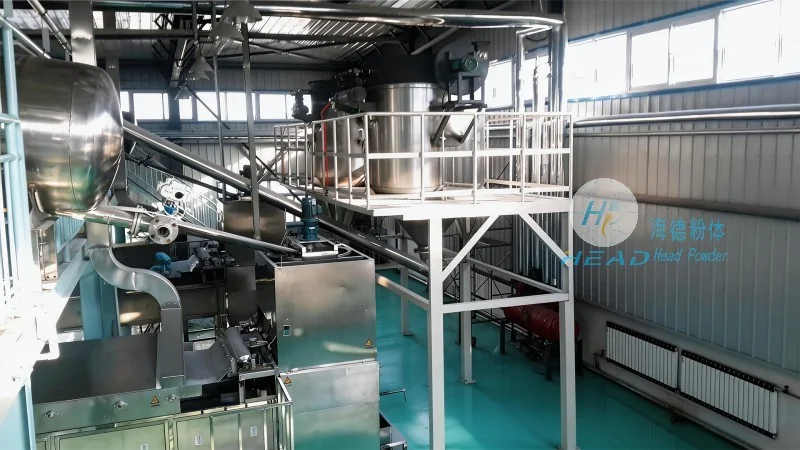
Advantages of Pneumatic Conveying for Rice Husk Materials
Pneumatic conveying systems offer several advantages when handling rice husk materials. Firstly, they provide a dust-free and hygienic transport method, which is essential for maintaining product quality and compliance with industry standards. Secondly, the system is highly efficient, with minimal material loss and low maintenance requirements. The flexible design allows for easy integration into existing processing facilities, reducing installation time and costs. Additionally, the system can handle varying material flow rates, making it suitable for both small-scale and large-scale operations. The positive pressure operation also ensures that the material is transported in a controlled manner, preventing spillage and contamination.
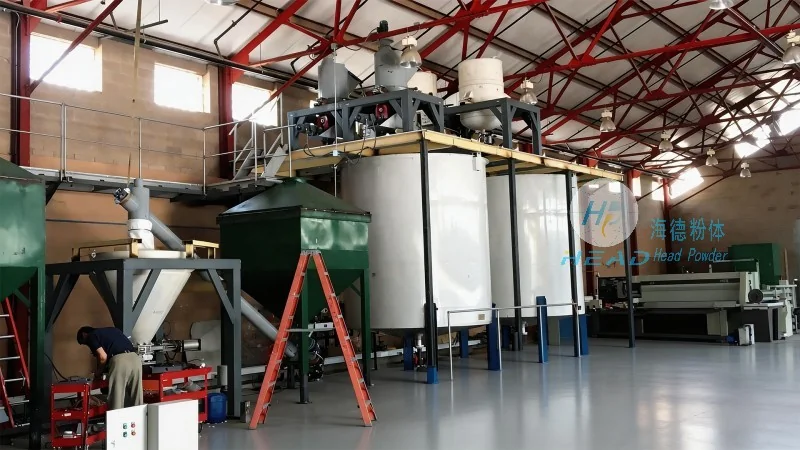
Applications and Industries Served
The pneumatic conveying system for rice husk materials is widely used in various industries, including biomass energy production, where rice husk is used as a fuel source. It is also utilized in agricultural processing facilities for the transport of rice husk from storage to grinding or pelletizing units. The system is particularly beneficial in waste management applications, where rice husk is processed into biofuels or other value-added products. The versatility of the system makes it suitable for a range of industrial applications, providing a reliable and efficient solution for material handling needs.
Conclusion and Company Commitment
Shandong HeadPowder Engineering Co., Ltd. continues to innovate and provide advanced pneumatic conveying solutions for rice husk materials, ensuring efficient and sustainable material transport. The company's expertise in designing and implementing customized systems, combined with its commitment to quality and customer satisfaction, makes it a preferred choice for industries seeking reliable material handling solutions. By leveraging the principles of pneumatic transport, the company helps clients optimize their operations, reduce costs, and enhance overall productivity. The future of material handling in the rice husk industry relies on such advanced systems, and HeadPowder is at the forefront of this technological advancement.