

Operation Process and Working Principle of Hydrogen Sulfide Material Pneumatic Conveying
Hydrogen sulfide (H₂S) is a highly toxic and corrosive gas commonly encountered in industrial processes, particularly in the oil and gas, chemical, and mining sectors. The safe and efficient handling of H₂S-laden materials is critical for operational safety and environmental compliance. Pneumatic conveying systems offer a reliable method for transporting such materials, providing a closed-loop solution that minimizes exposure risks and ensures consistent material flow. This article delves into the operation process and working principles of hydrogen sulfide material pneumatic conveying, highlighting key components, operational steps, and the importance of proper system design.
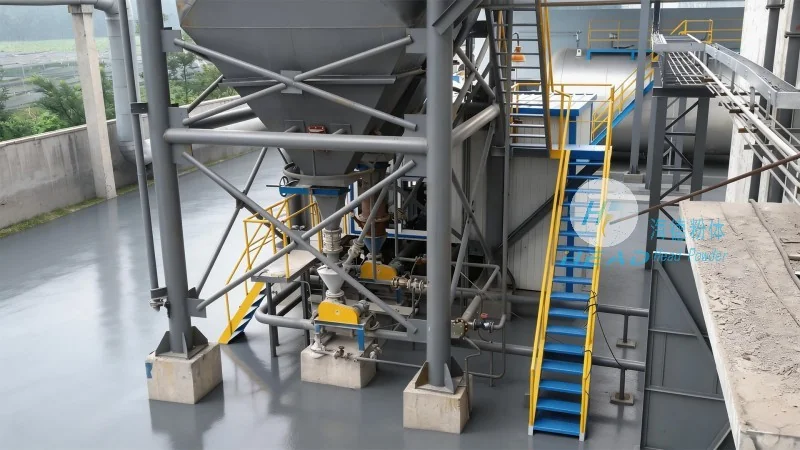
Key Components of Pneumatic Conveying Systems for H₂S Materials
The effectiveness of a hydrogen sulfide material pneumatic conveying system relies on several critical components working in tandem. These include the material hopper or feeder, which stores and meters the H₂S-laden material; the air compressor or blower, which generates the necessary air pressure to move the material; the conveying line, typically made of corrosion-resistant materials like stainless steel or special polymers to withstand H₂S exposure; and the receiver or discharge hopper, where the material is deposited. Additionally, control valves, filters, and safety devices are integrated to regulate airflow, prevent blockages, and ensure safe operation.
Working Principle of Hydrogen Sulfide Material Pneumatic Conveying
The core principle of pneumatic conveying involves using compressed air to transport solid materials through a pipeline. In the case of H₂S materials, the process begins with the material being fed from the hopper into the conveying line. The air compressor then supplies high-pressure air, which creates a flow that lifts and propels the material particles through the pipeline. The air and material mixture travels to the receiver, where the material is separated from the air via a cyclone or other separation device. The separated material is collected in the receiver, while the air is either recirculated back to the system or vented to a treatment unit. This closed-loop system ensures minimal material loss and reduces the risk of H₂S release into the environment.
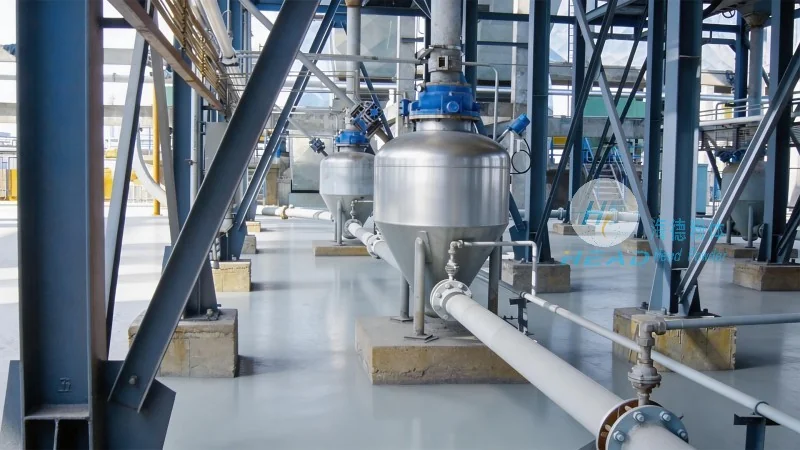
Operation Process of Hydrogen Sulfide Material Pneumatic Conveying
The operation of a hydrogen sulfide material pneumatic conveying system follows a systematic process to ensure safe and efficient material transport. First, the system is started by activating the air compressor and opening the material feeder valve, allowing H₂S-laden material to enter the conveying line. The air pressure is adjusted to the appropriate level based on the material characteristics, particle size, and pipeline length. As the material is conveyed, the system monitors pressure and flow rates to detect any blockages or irregularities. If a blockage occurs, the system may trigger an alarm or automatically shut down to prevent damage. The material is then discharged into the receiver, where it is collected and prepared for further processing or storage. The system is then shut down by closing the feeder valve and turning off the air compressor, ensuring all components are safely de-energized.
Importance of Corrosion-Resistant Materials in H₂S Conveying
Given the corrosive nature of hydrogen sulfide, the selection of materials for the conveying system is paramount. Standard steel components would quickly deteriorate in contact with H₂S, leading to leaks and safety hazards. Therefore, components such as the hopper, conveying line, and receiver are typically constructed from stainless steel grades like 316 or 316L, which offer excellent resistance to H₂S and other corrosive gases. Specialized polymers, such as polypropylene or polyethylene, may also be used for certain parts of the system, providing additional protection against chemical attack. Proper material selection not only extends the system's lifespan but also ensures the integrity of the containment system, preventing accidental H₂S release.
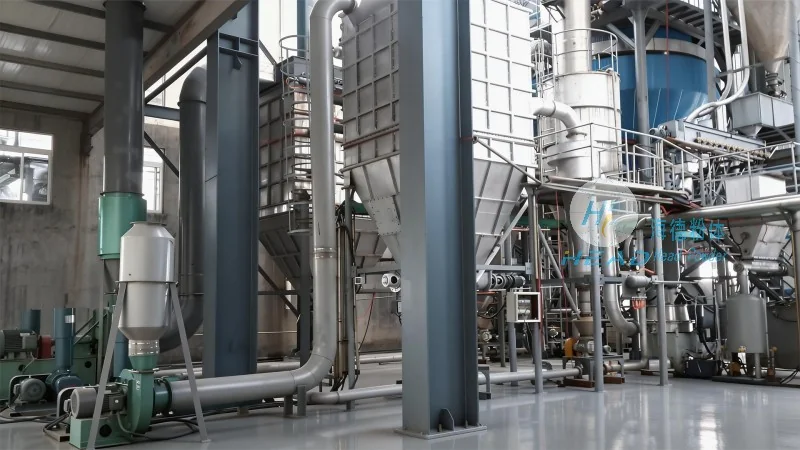
Safety Considerations for Hydrogen Sulfide Pneumatic Conveying
Due to the toxic and flammable properties of hydrogen sulfide, safety is a top priority in the design and operation of pneumatic conveying systems. The system must be equipped with robust safety features, including pressure relief valves to prevent over-pressurization, explosion-proof air compressors, and gas detection sensors to monitor H₂S levels in the system. Regular maintenance and inspections are critical to ensure the system remains in good working condition. Operators must receive proper training on the safe operation of the system, including emergency procedures in case of a leak or fire. By adhering to strict safety protocols, the risk of accidents and exposure to H₂S is significantly minimized.
Applications of Hydrogen Sulfide Material Pneumatic Conveying
Pneumatic conveying systems for H₂S materials are widely used in various industrial applications. In the oil and gas industry, they are employed to transport H₂S-laden slurry or solid waste from production sites to treatment facilities. In the chemical industry, they are used to convey H₂S-containing byproducts from reactors to storage or disposal units. Mining operations also utilize these systems to transport H₂S-laden ore or tailings from processing plants. The versatility of pneumatic conveying makes it suitable for a range of applications where traditional mechanical conveying methods are impractical or unsafe.