

Operation Process and Working Principle of Copper Oxide Material Pneumatic Conveying
Shandong HeadPowder Engineering Co., Ltd. specializes in providing advanced solutions for material handling, particularly in the field of pneumatic conveying systems designed for copper oxide materials. With a focus on efficient and reliable operation, the company's expertise lies in developing systems that optimize the transport of copper oxide powders, ensuring minimal loss and maximum throughput.
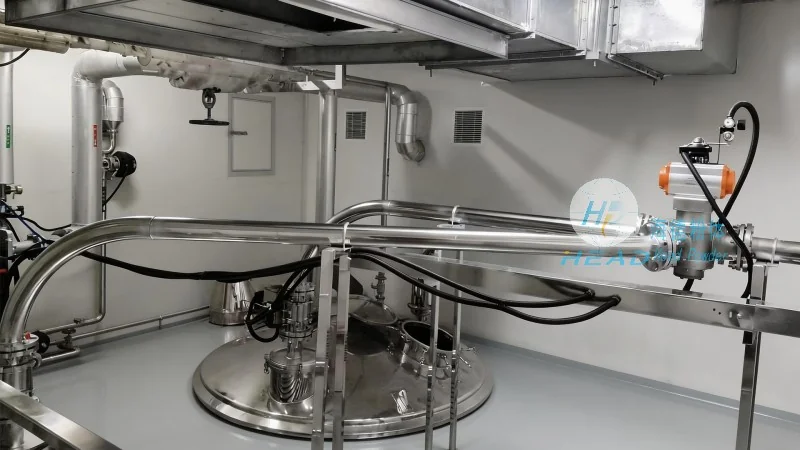
Overview of Pneumatic Conveying Systems for Copper Oxide Materials
Pneumatic conveying is a critical technology in the processing and handling of copper oxide, a widely used material in various industrial applications such as mining, metallurgy, and chemical manufacturing. The system involves the use of air or gas to transport solid particles through a pipeline, offering advantages like reduced equipment wear, improved safety, and the ability to handle materials in a dust-free environment. For copper oxide, which is often in fine powder form, a well-designed pneumatic conveying system is essential to maintain material quality and prevent clogging or degradation.
Working Principle of Copper Oxide Pneumatic Conveying
The core mechanism of copper oxide pneumatic conveying relies on the interaction between the material particles and the conveying medium (air or gas). The process typically involves several key components: a feeding device to introduce the copper oxide into the system, a conveying line where the material is propelled by the air flow, and a separation or discharge unit to collect the material at the destination. The air is often supplied by a blower or compressor, creating a pressure differential that drives the material through the pipeline. The velocity of the air is crucial; it must be sufficient to overcome the gravitational force and frictional resistance of the copper oxide particles, ensuring stable and continuous transport. The system may use either positive pressure (where air is forced into the line) or negative pressure (where air is drawn out), depending on the specific application and material characteristics. For copper oxide, which has a relatively high density and fine particle size, positive pressure systems are commonly preferred as they provide better control over particle flow and reduce the risk of blockages.
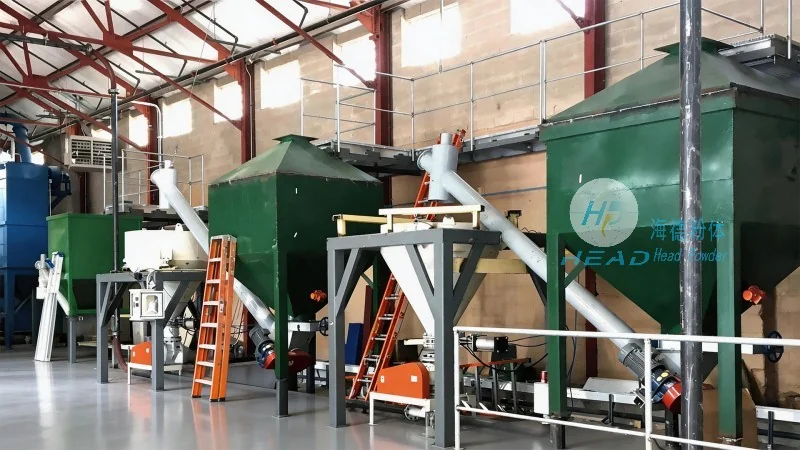
Key Components and Their Functions in the System
Several critical components work together to ensure the efficient operation of a copper oxide pneumatic conveying system. The feeding device, such as a rotary valve or a star feeder, is responsible for accurately metering the copper oxide into the conveying line, preventing overloading and maintaining a consistent flow rate. The conveying line itself is typically made of corrosion-resistant materials like stainless steel or polyethylene to withstand the chemical properties of copper oxide and prevent material buildup. The blower or compressor provides the necessary air pressure and volume, with adjustable settings to match the material's specific conveying requirements. The separation unit, which may include a cyclone or a bag filter, is used to separate the copper oxide particles from the air stream at the discharge point, ensuring that the material is collected in a clean and dry state. Additionally, the system may include a pressure regulator and a flow meter to monitor and control the air pressure and material flow, allowing for real-time adjustments to maintain optimal performance.
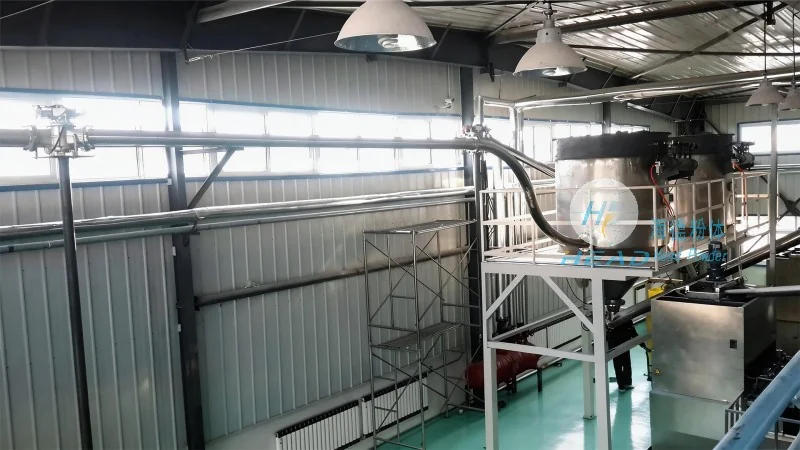
Operation Process of Copper Oxide Pneumatic Conveying
The operation process of a copper oxide pneumatic conveying system follows a systematic sequence to ensure smooth and continuous material transport. Initially, the copper oxide is fed into the system through the feeding device at a controlled rate. The blower then generates the required air pressure, which is introduced into the conveying line. As the air flows through the line, it picks up the copper oxide particles and transports them to the discharge point. At the destination, the separation unit removes the particles from the air stream, and the copper oxide is collected in a storage or processing container. The system operates continuously, with the feeding rate and air pressure adjusted as needed to maintain a stable flow. Regular maintenance, such as cleaning the conveying line and checking the blower performance, is essential to prevent system downtime and ensure long-term reliability. The entire process is designed to minimize material loss, reduce labor costs, and enhance overall operational efficiency.
Advantages and Applications of Copper Oxide Pneumatic Conveying
The use of pneumatic conveying for copper oxide materials offers several significant advantages over traditional methods like belt conveyors or bucket elevators. One of the primary benefits is the ability to handle fine powders without the risk of clogging or degradation, which is critical for maintaining the quality of copper oxide used in industrial processes. The system also provides a dust-free environment, improving workplace safety and reducing the need for additional dust control measures. Additionally, pneumatic conveying systems are more compact and require less floor space compared to other material handling solutions, making them suitable for applications with limited space. The technology is widely used in the copper mining and processing industry, where copper oxide is a key intermediate product. It is also applicable in chemical manufacturing, where copper oxide is used as a catalyst or pigment. The flexibility of the system allows it to be adapted to various production scales, from small-scale laboratory applications to large industrial plants.