

Operation Process and Working Principle of Powdered Grain and Flour Pneumatic Conveying Systems
Shandong HeadPowder Engineering Co., Ltd. specializes in the design, manufacturing, and installation of advanced pneumatic conveying systems for the handling of powdered materials such as grains and flour. With a focus on efficiency, reliability, and innovation, the company provides comprehensive solutions tailored to the unique demands of the food processing and bulk material handling industries. Based in Shandong, China, HeadPowder leverages decades of expertise to deliver systems that optimize material transport, reduce downtime, and enhance overall operational performance.
Operation Process of Powdered Grain and Flour Pneumatic Conveying Systems
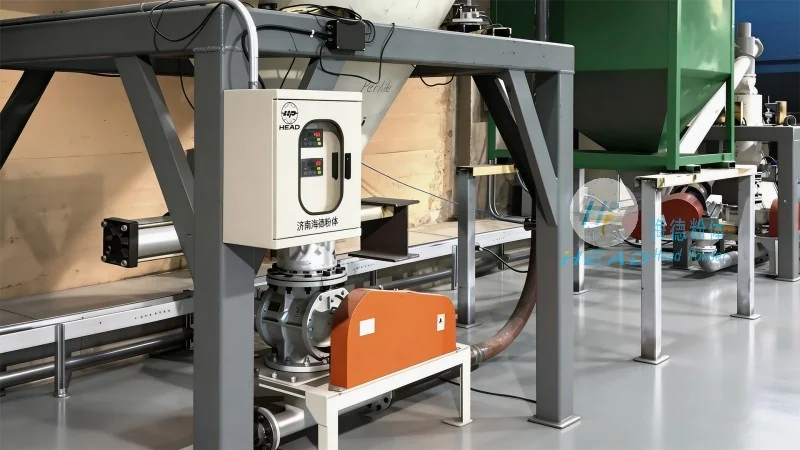
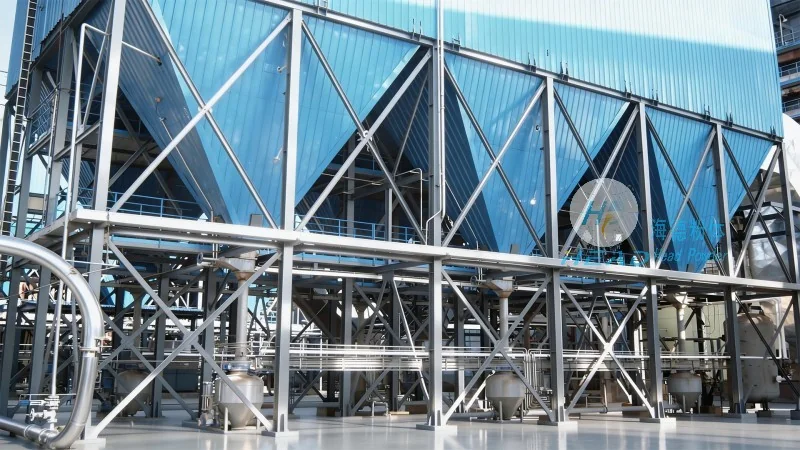
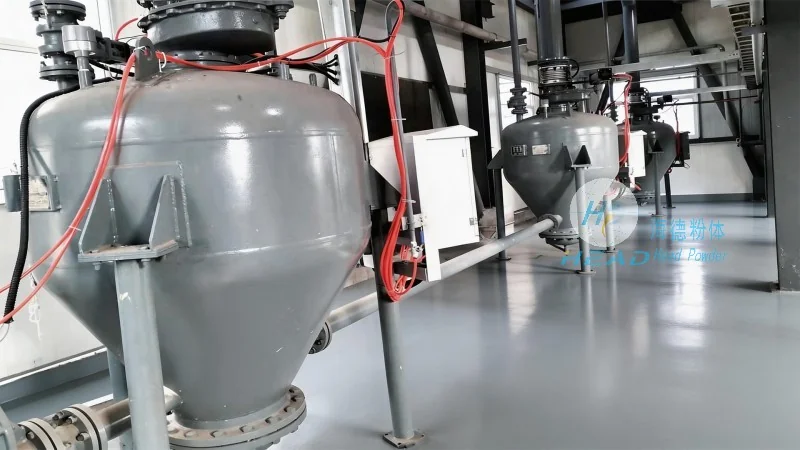
The operation of a powdered grain and flour pneumatic conveying system involves a series of coordinated steps that ensure the safe and efficient transport of bulk materials from the source to the destination. The process typically begins with the material being fed into a hopper or silo, where it is stored and prepared for transport. From there, the material is drawn into the conveying line by a vacuum or pressure source, depending on the system configuration. The system uses a combination of air flow and mechanical components to move the material through the pipeline, ensuring minimal degradation and loss of product quality. Key components in the operation include the feed hopper, airlock valves, conveying pipes, and the main air mover (either a vacuum pump or a positive displacement blower). Each component works in tandem to maintain consistent flow rates and pressure levels, which are critical for preventing blockages and ensuring smooth material transport. The process concludes as the material is discharged into the receiving container or processing unit, completing the cycle. HeadPowder's systems are engineered to handle varying material characteristics, including different particle sizes, moisture content, and flow properties, ensuring optimal performance across diverse applications.
Working Principle of Powdered Grain and Flour Pneumatic Conveying Systems
The working principle of a pneumatic conveying system for powdered grains and flour revolves around the use of air as the primary medium to transport the material. There are two main types of pneumatic conveying systems: vacuum (or suction) systems and pressure (or pressure) systems. Vacuum systems operate by creating a negative pressure in the conveying line, which draws the material from the source into the system. This method is ideal for applications where the material needs to be transported over short to medium distances and where the system is integrated with existing infrastructure. Pressure systems, on the other hand, use a positive pressure source to push the material through the pipeline. These systems are suitable for longer transport distances and can handle higher material loads. The core components of both systems include the air mover, which generates the necessary air flow; the conveying line, which transports the material and air mixture; and the separation equipment, such as cyclones or filters, which separate the material from the air at the discharge point. The air mover is responsible for creating the pressure differential or vacuum required to move the material. In vacuum systems, a rotary lobe pump or a Roots blower is commonly used to create the suction force. In pressure systems, a positive displacement blower or a centrifugal fan provides the necessary pressure. The conveying line is typically made of stainless steel or other corrosion-resistant materials to withstand the abrasive nature of powdered materials and to maintain hygiene standards, especially in food processing applications. The airlock valves are used to control the flow of material into and out of the conveying line, preventing backflow and ensuring smooth operation. The separation equipment at the end of the line removes the material from the air stream, allowing the air to be recycled or vented, depending on the system design. HeadPowder's systems are designed with these principles in mind, ensuring that the material is transported efficiently while maintaining product integrity and operational safety.