

Operation Process and Working Principle of Dust and Powder Pneumatic Conveying Systems
HeadPowder, a leading provider of industrial conveying solutions, specializes in advanced pneumatic conveying systems designed for efficient handling of dust and powder materials. These systems are crucial in various industries, including chemical, pharmaceutical, food processing, and mining, where reliable material transport is essential for operational efficiency and safety. The pneumatic conveying technology offered by Shandong HeadPowder Engineering Co., Ltd. from China leverages air pressure to move bulk materials through pipelines, offering a flexible and effective alternative to traditional mechanical conveying methods.
Key Components of the Pneumatic Conveying System
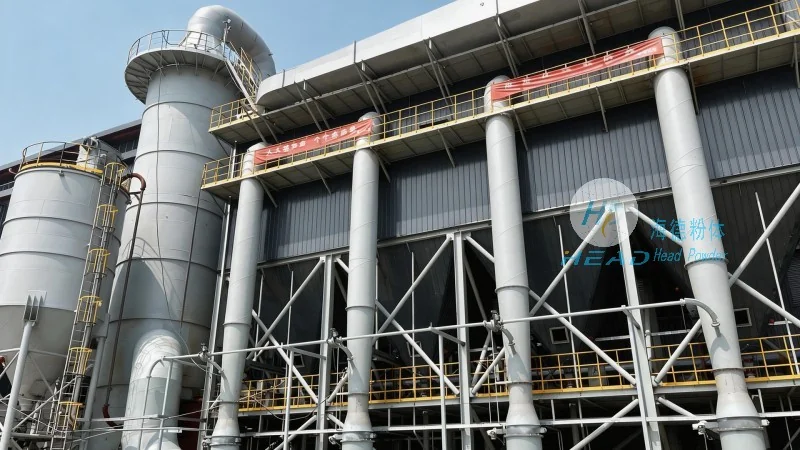
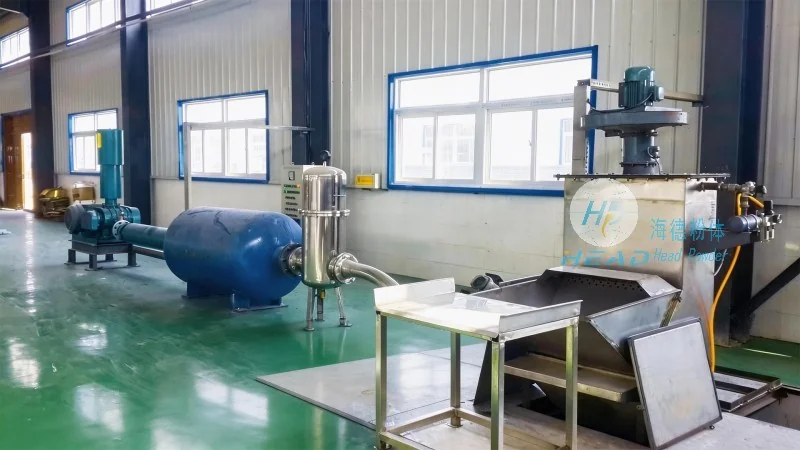
The pneumatic conveying system consists of several critical components that work in tandem to ensure smooth material transport. The main elements include a material hopper or feeder, a blower or air compressor, a pipeline network, and a receiver or discharge unit. The material hopper is responsible for storing and feeding the powder or dust into the system, while the blower generates the necessary air pressure to move the material through the pipeline. The pipeline network, typically made of stainless steel or other corrosion-resistant materials, ensures the material is transported from the source to the destination. The receiver or discharge unit collects the material at the end of the pipeline, completing the conveying process. Each component is carefully designed and manufactured to meet the specific requirements of the application, ensuring durability and optimal performance.
Operation Process of the Pneumatic Conveying System
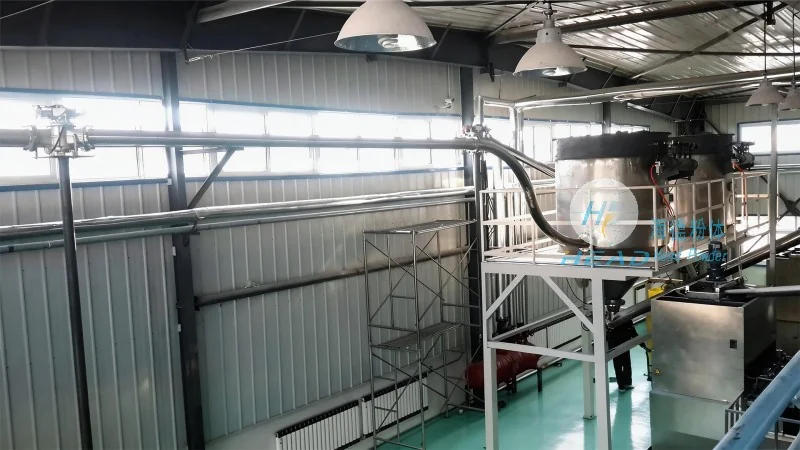
The operation process of the dust and powder pneumatic conveying system involves several sequential steps. First, the material is loaded into the hopper or feeder, which is equipped with a feeding mechanism such as a rotary valve or screw feeder to control the flow rate. Next, the blower is activated, generating a flow of air that creates a negative pressure or positive pressure within the pipeline, depending on the system configuration. The air flow then draws the material from the hopper into the pipeline, where it is carried along by the air stream. The material travels through the pipeline network, which may include bends, elbows, and other fittings, to reach the receiver or discharge unit. The receiver is designed to collect the material and may include a filter or separator to remove any residual air or fine particles. The entire process is automated and can be controlled through a user-friendly interface, allowing for precise control over the material flow rate and system pressure. The operation is typically continuous, with the system running until the material is fully transferred from the source to the destination. The system may also include additional features such as pressure sensors, flow meters, and alarms to monitor the operation and ensure safety. These features help to prevent overloading, clogging, or other issues that could disrupt the conveying process, ensuring reliable and efficient material transport.
Working Principle of the Pneumatic Conveying System
The working principle of the pneumatic conveying system is based on the principles of fluid dynamics and air pressure. The system utilizes either positive pressure or negative pressure (or a combination of both) to move the material through the pipeline. In positive pressure systems, the blower forces air into the pipeline, creating a positive pressure that pushes the material forward. The material is suspended in the air stream and transported as a slurry or dilute phase flow. In negative pressure systems, the blower creates a vacuum in the pipeline, drawing the material from the hopper into the system. The material is then carried by the air flow, similar to the positive pressure system, but with the air being drawn rather than pushed. The key to the system's efficiency is the balance between the air flow rate and the material feed rate, ensuring that the material is fully suspended and transported without clogging or blockages. The system's design considers factors such as material properties, particle size, and moisture content to optimize the conveying process and prevent issues such as agglomeration or material degradation. The blower or air compressor is the heart of the system, providing the necessary pressure and flow to move the material. The choice of blower type, such as centrifugal or positive displacement, depends on the specific application and material characteristics, ensuring the system operates at peak efficiency.
Advantages of Pneumatic Conveying Systems
Pneumatic conveying systems offer several advantages over traditional mechanical conveying methods. One of the primary benefits is the ability to transport materials in a closed system, which helps to contain dust and prevent contamination. This is particularly important in industries where material purity is critical, such as pharmaceuticals or food processing. Additionally, pneumatic conveying systems are flexible and can be easily adapted to different layouts and configurations, allowing for changes in the material handling process without significant modifications to the system. The systems are also relatively low maintenance, as they have fewer moving parts compared to mechanical conveyors, reducing the risk of breakdowns and downtime. Furthermore, pneumatic conveying can handle a wide range of materials, including fine powders, granules, and bulk solids, making it suitable for diverse industrial applications. The technology also allows for the integration of additional features, such as material drying or cooling, into the conveying process, enhancing the overall efficiency of the operation. The closed system design also helps to minimize environmental impact by reducing dust emissions and improving workplace safety.