

Operation Process and Working Principle of Long-Distance Powder Pneumatic Conveying Systems
Long-distance powder pneumatic conveying systems are critical in modern industrial applications, enabling the efficient and reliable transport of bulk powders over extended distances. These systems utilize air as the conveying medium, offering advantages such as minimal product contamination, flexible installation, and the ability to handle a wide range of powder types. The operation process and working principle of such systems are essential for understanding their functionality and optimizing performance in various industrial settings.
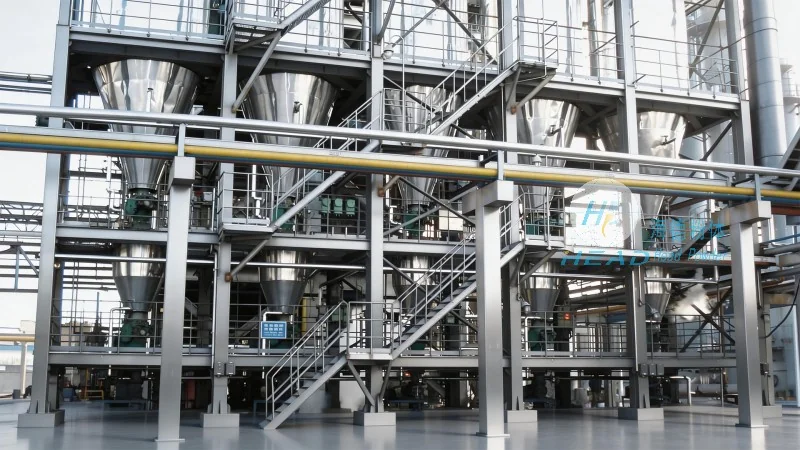
About HeadPowder: Leading Experts in Powder Handling Solutions
HeadPowder, a prominent name in the field of powder engineering, specializes in the design, manufacturing, and implementation of advanced pneumatic conveying systems. With a strong presence in Shandong, China, HeadPowder Engineering Co., Ltd. has established itself as a trusted partner for industries requiring robust and efficient powder transport solutions. The company's commitment to innovation and quality ensures that clients receive systems tailored to their specific operational needs, whether for short or long-distance applications.
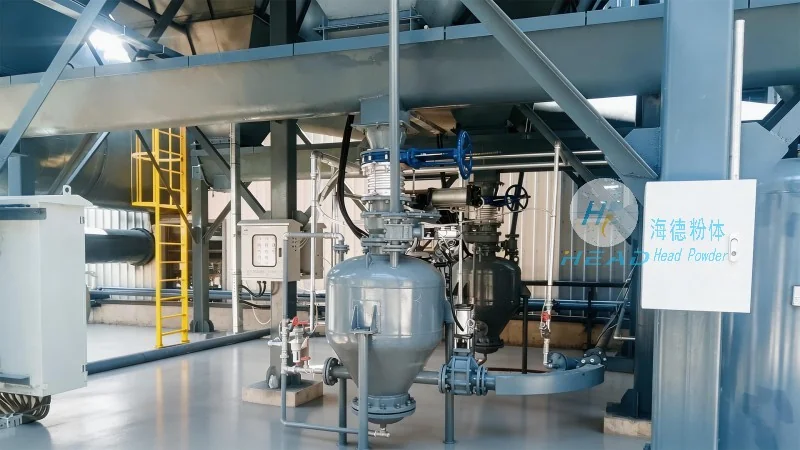
Key Components of a Long-Distance Powder Pneumatic Conveying System
At the core of any long-distance powder pneumatic conveying system are several critical components that work in tandem to ensure smooth operation. These include the material feed hopper, which stores and feeds the powder into the system; the air compressor or blower, which generates the necessary air pressure; the conveying line, typically made of stainless steel or other corrosion-resistant materials to prevent product contamination; and the receiver or discharge hopper, where the material is collected after transport. Additionally, control valves, filters, and pressure regulators are integrated to manage the flow and quality of the conveying process.
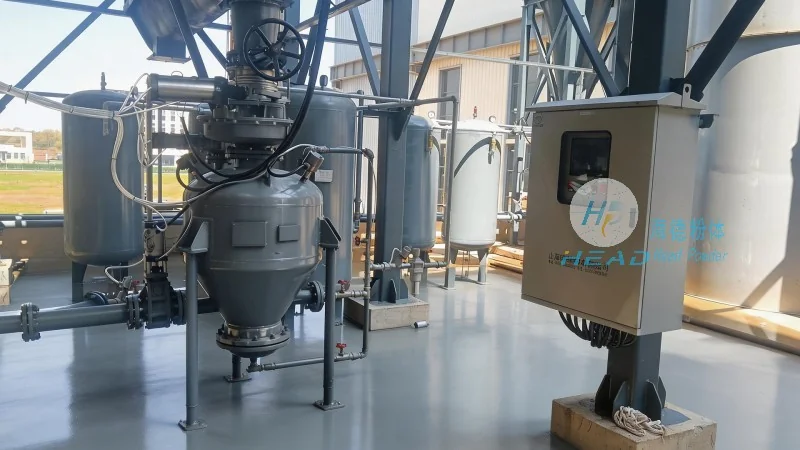
The Operation Process: Step-by-Step Breakdown
The operation of a long-distance powder pneumatic conveying system follows a systematic sequence of steps, each designed to ensure efficient material transport. The process begins with the material being fed from the hopper into the conveying line. Simultaneously, the air compressor starts, generating the required air pressure. The air and powder mixture is then drawn into the conveying line, where the air velocity is maintained at a level sufficient to keep the powder particles suspended. As the mixture travels through the line, it reaches the receiver hopper, where the air is separated from the powder, typically through a cyclone or filter system. The separated powder is then collected in the receiver, while the air is either recirculated or vented, depending on the system design. This step-by-step process ensures that the powder is transported safely and efficiently over long distances, minimizing the risk of clogging or material degradation.
Working Principle: How the System Transports Powders
The working principle of a long-distance powder pneumatic conveying system is based on the fundamental concept of fluidization and suspension. When air is introduced into the conveying line at a high velocity, it creates a fluidized state, where the powder particles are suspended in the air stream. This suspension allows the powder to be transported as a dense or dilute phase, depending on the system design and material characteristics. The dense phase conveying method, also known as positive pressure or pressure conveying, uses higher air pressure to push the powder through the line, while the dilute phase method, or negative pressure or vacuum conveying, uses a vacuum to draw the powder. Both methods rely on the interaction between the air flow and the powder particles to achieve effective transport. The system's design, including the size and configuration of the conveying line, the air pressure, and the material feed rate, is optimized to ensure that the powder remains suspended and transported without clogging or degradation.
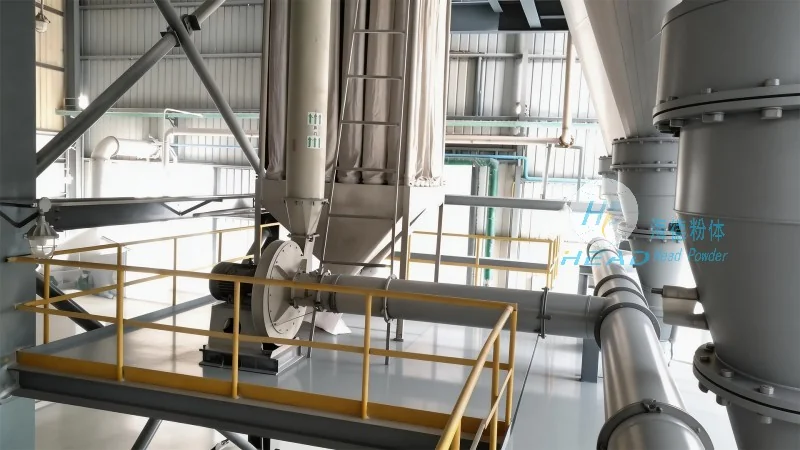
Advantages and Applications of Long-Distance Powder Pneumatic Conveying Systems
Long-distance powder pneumatic conveying systems offer numerous advantages that make them ideal for a wide range of industrial applications. These include minimal product contamination, as the system is enclosed and uses clean air, preventing cross-contamination with other materials or the environment. The flexibility of installation allows systems to be adapted to various layouts and distances, making them suitable for both new and existing facilities. Additionally, the systems are capable of handling a wide variety of powder types, from fine powders to bulk materials, and can transport materials over distances ranging from a few meters to several kilometers. Industries such as pharmaceuticals, food processing, chemical manufacturing, and mining benefit significantly from these systems, as they improve operational efficiency, reduce labor costs, and enhance product quality.