

Operation Process and Working Principle of Pneumatic Conveying for Thermoplastic Polyurethane Powder
Thermoplastic polyurethane (TPU) powder is widely used in various industrial applications due to its excellent mechanical properties, flexibility, and resistance to abrasion and chemicals. Efficient material handling is crucial for maintaining production efficiency and product quality. Pneumatic conveying offers a reliable solution for transporting TPU powder in powder form, ensuring minimal product degradation and contamination. This article provides an overview of the operation process and working principles of pneumatic conveying systems specifically designed for TPU powder, highlighting key components, operational steps, and benefits.
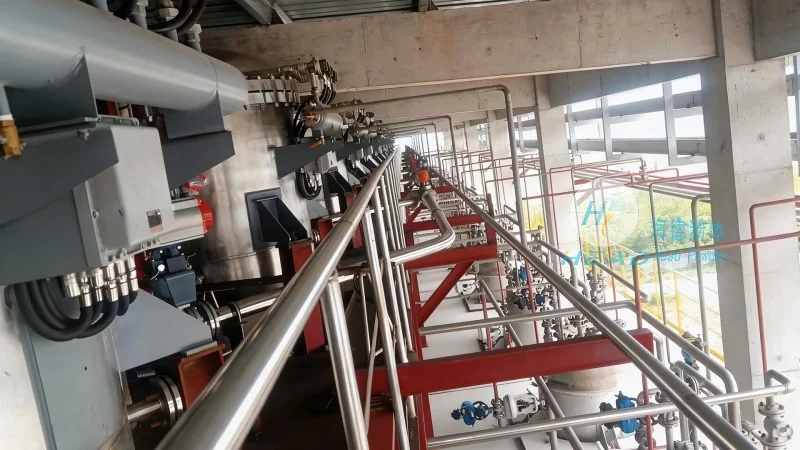
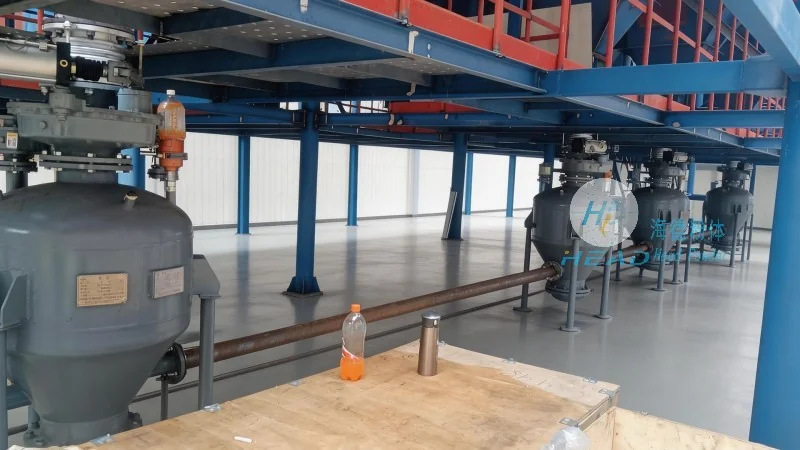
Key Components of Pneumatic Conveying Systems for TPU Powder
The pneumatic conveying system for thermoplastic polyurethane powder typically consists of several essential components that work in tandem to achieve effective material transport. These components include a hopper or feeder for powder storage and controlled discharge, a conveyor line (either positive or negative pressure system), a dust collector to capture airborne particles, and a control system for regulating air flow and pressure. The hopper is designed to maintain a consistent powder level, preventing blockages and ensuring smooth feeding. The conveyor line is equipped with appropriate tubing and fittings to minimize pressure drop and maintain the desired air velocity for stable powder transport. The dust collector is critical for maintaining air quality and complying with environmental regulations, as TPU powder can be fine and potentially hazardous if released into the environment. The control system allows operators to adjust parameters such as air pressure, flow rate, and feeding speed, ensuring optimal performance and preventing system overload.
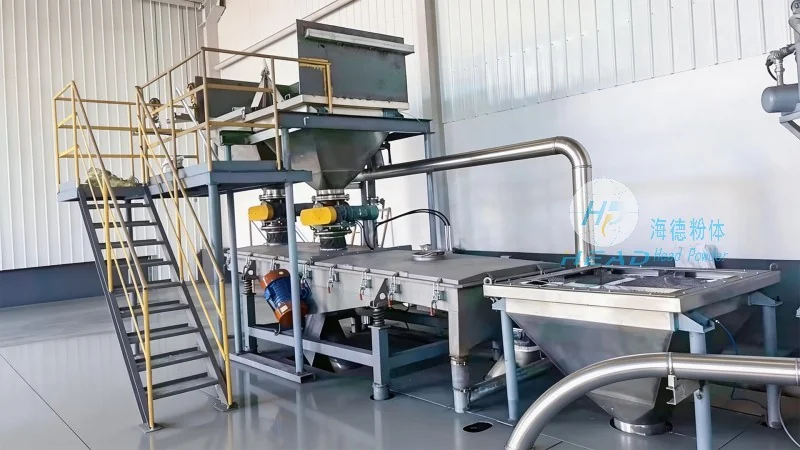
Operation Process of Pneumatic Conveying for TPU Powder
The operation process of a pneumatic conveying system for thermoplastic polyurethane powder involves several sequential steps that ensure efficient and safe material transport. The process begins with the loading of TPU powder into the hopper. The hopper is equipped with a feeder, such as a rotary valve or screw feeder, which controls the rate of powder discharge into the conveyor line. As the powder enters the conveyor line, it is mixed with compressed air, creating a slurry-like mixture. The air velocity is maintained at a level sufficient to keep the powder particles suspended and transported through the system. The conveyor line may include bends, elbows, or other fittings, which are designed to minimize pressure loss and maintain the flow of the powder-air mixture. The system is typically operated under either positive pressure (where air is blown into the line) or negative pressure (where air is drawn out of the line), depending on the specific application and system design. The receiving hopper or silo at the end of the conveyor line collects the TPU powder, and the air is filtered and discharged through the dust collector. The control system continuously monitors parameters such as pressure, flow rate, and temperature to ensure the system operates within safe and efficient limits. Any deviations are automatically adjusted to maintain optimal performance.
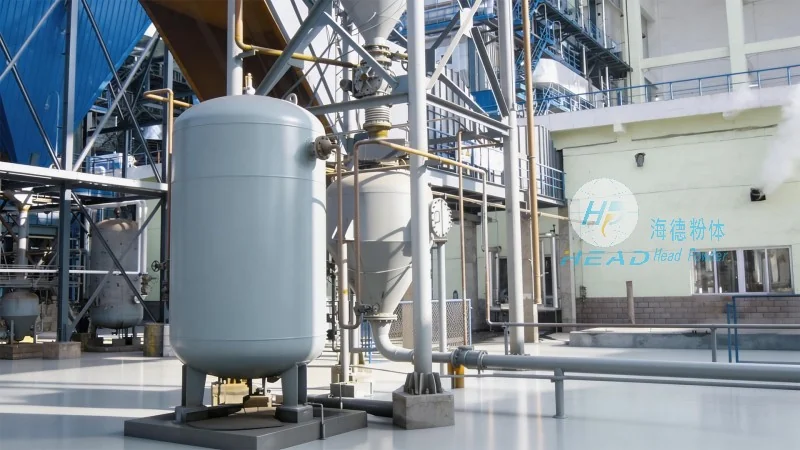
Working Principles of Pneumatic Conveying for TPU Powder
The working principle of pneumatic conveying for thermoplastic polyurethane powder is based on the fundamental concept of fluidization and suspension of solid particles by a gas stream. When compressed air is introduced into the conveyor line, it creates a flow that lifts and transports the powder particles. The key to successful conveying is maintaining a stable air velocity that is sufficient to keep the powder particles suspended without causing excessive pressure drop or particle breakage. The Reynolds number and particle size distribution are critical factors that determine the optimal air velocity for conveying. For TPU powder, which typically has a particle size range of 20-200 microns, the air velocity is usually maintained between 15-30 meters per second for positive pressure systems and 8-15 meters per second for negative pressure systems. The pressure drop along the conveyor line is a key parameter that indicates the efficiency of the system. A lower pressure drop indicates better performance, as it reduces energy consumption and operating costs. The system's design, including the type of tubing, fittings, and bends, plays a significant role in minimizing pressure drop and ensuring smooth flow. Additionally, the material of construction for the conveyor line and components is important to prevent corrosion or wear from the TPU powder, which can be abrasive.