

Operation Process and Working Principle of Air-Driven Transport of Lithium Iron Carbonate Powder
HeadPowder, a leading enterprise in the field of powder processing technology, specializes in the air-driven transport solutions for lithium iron carbonate powder. This article provides a detailed overview of the operational process and working principles of such systems, highlighting the technical aspects and practical applications that ensure efficient material handling in industrial settings.
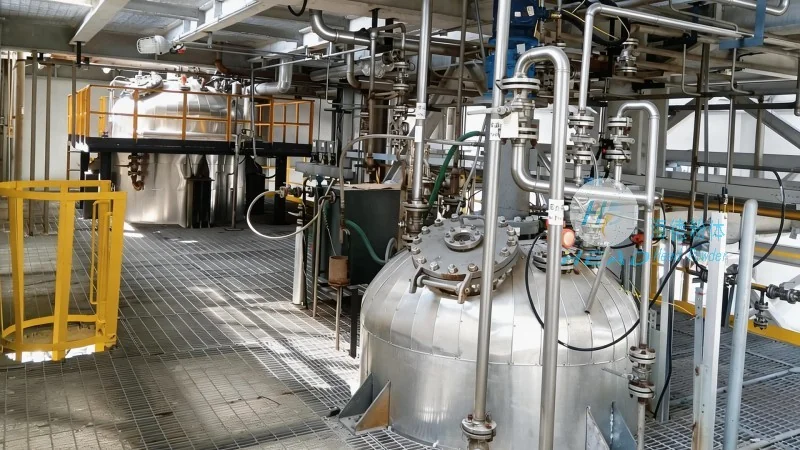
Introduction to Air-Driven Transport of Lithium Iron Carbonate Powder
As a critical component in lithium-ion battery manufacturing, lithium iron carbonate powder requires precise and reliable transport methods to maintain its quality and integrity. Air-driven transport systems offer a non-contact, low-maintenance solution that addresses the challenges associated with handling fine powders like lithium iron carbonate. The technology involves using compressed air to move the powder through a pipeline network, ensuring minimal product degradation and efficient material flow.
Company Profile: Shandong HeadPowder Engineering Co., Ltd.
HeadPowder, operating under the full name Shandong HeadPowder Engineering Co., Ltd., is headquartered in Shandong, China. The company has established itself as a trusted provider of advanced powder processing equipment, focusing on innovative solutions that enhance productivity and safety in industrial applications. With a commitment to quality and customer satisfaction, HeadPowder delivers tailored air-driven transport systems that meet the specific needs of clients in the battery and material processing industries.
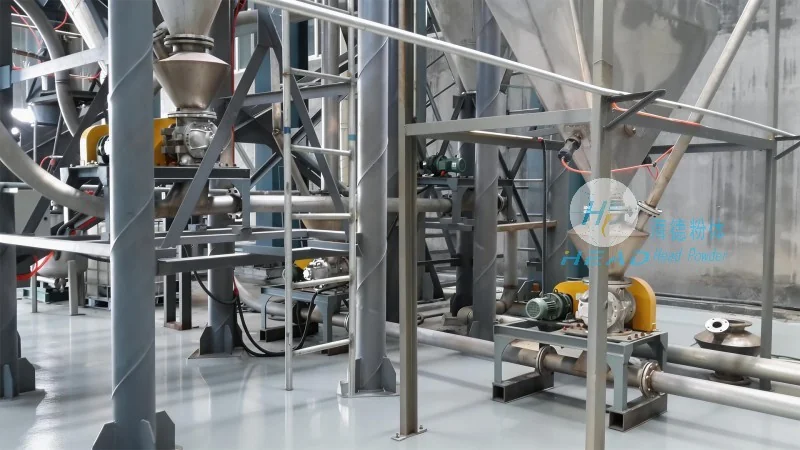
Key Components of the Air-Driven Transport System
The air-driven transport system for lithium iron carbonate powder typically consists of several key components, each playing a crucial role in the overall operation. These include the material feeding unit, air compressor, transport pipeline, and control system. The feeding unit ensures a consistent and controlled flow of the powder into the system, while the air compressor generates the necessary pressure to move the material through the pipeline. The pipeline network, often made of stainless steel or other corrosion-resistant materials, is designed to handle the fine particles without clogging or degradation. The control system monitors and regulates the air pressure, flow rate, and material level, ensuring optimal performance and safety.
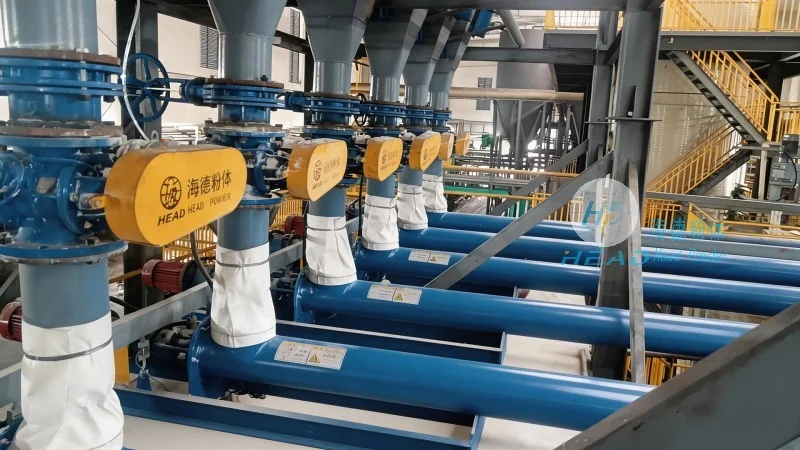
Operation Process of the Air-Driven Transport System
The operation process of the air-driven transport system for lithium iron carbonate powder begins with the preparation of the powder, which is typically stored in a hopper or silo. The powder is then fed into the system through a rotary valve or feeder, which controls the flow rate. Compressed air is introduced into the pipeline, creating a flow that carries the powder particles along with it. The system uses a combination of positive and negative pressure to move the material from the source to the destination, such as a storage tank or processing unit. The flow rate and pressure are continuously monitored to maintain the desired material velocity and prevent clogging. The process is designed to be continuous, allowing for 24/7 operation with minimal downtime for maintenance.
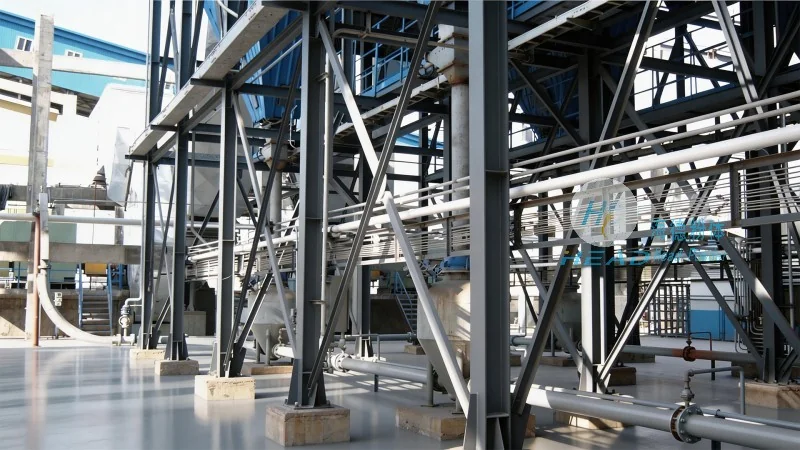
Working Principle of the Air-Driven Transport System
The working principle of the air-driven transport system relies on the principles of fluid dynamics and particle transport. When compressed air is introduced into the pipeline, it creates a flow that exerts a drag force on the powder particles, causing them to move along with the air stream. The velocity of the air flow is carefully controlled to ensure that the powder particles are carried without settling or clogging the pipeline. The system uses a combination of air velocity and particle size to achieve efficient transport, with larger particles requiring higher air velocities to maintain suspension. The control system adjusts the air pressure and flow rate in real-time to maintain the optimal transport conditions, ensuring that the powder reaches its destination without degradation or loss.
Benefits and Applications of Air-Driven Transport for Lithium Iron Carbonate Powder
Implementing an air-driven transport system for lithium iron carbonate powder offers several benefits, including improved material handling efficiency, reduced product contamination, and enhanced safety. The non-contact transport method minimizes the risk of particle degradation due to friction or abrasion, which is critical for maintaining the quality of lithium iron carbonate powder used in battery manufacturing. Additionally, the system reduces the need for manual handling, lowering the risk of workplace accidents and improving overall operational safety. The compact and flexible design of the air-driven transport system allows for easy integration into existing production lines, making it suitable for various industrial applications. HeadPowder's air-driven transport solutions are widely used in the battery industry, where the efficient and reliable transport of lithium iron carbonate powder is essential for meeting production demands and ensuring product quality.