

Operation Process and Working Principle of Wood Chip Material Handling System Equipment
Wood chip material handling systems are essential in various industrial applications, particularly in the wood processing and biomass energy sectors. These systems are designed to efficiently transport wood chips from one location to another, ensuring smooth and continuous operation in production lines. The equipment from Shandong HeadPowder Engineering Co., Ltd. exemplifies advanced engineering and reliable performance in this field.
Components and Structure of the System
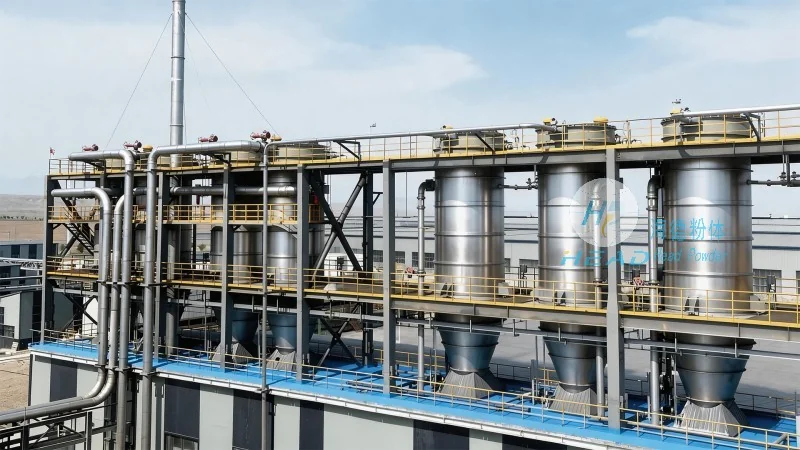
The wood chip material handling system typically consists of several key components, including feeders, conveyors, and control units. The feeders are responsible for uniformly supplying wood chips into the system, while the conveyors, such as belt conveyors or screw conveyors, transport the material through the process. The control units manage the speed and direction of the conveyors, ensuring optimal operation based on production demands.
Operation Process of the System
The operation process of the wood chip material handling system begins with the intake of raw wood chips. The feeders then feed the chips into the conveyor system. As the chips move along the conveyor, they are transported to the next processing stage or storage area. The system is equipped with sensors and monitoring devices that track the flow rate and material level, providing real-time data for operational adjustments. This ensures that the system operates at peak efficiency, minimizing downtime and maximizing throughput.
Working Principle of the System
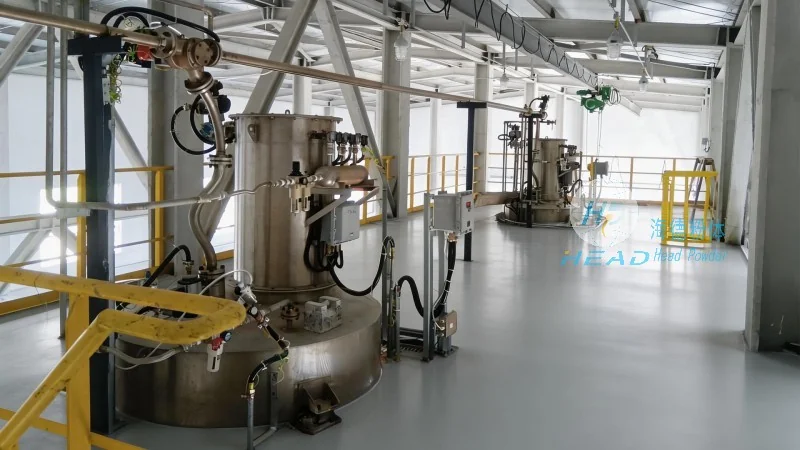
The working principle of the wood chip material handling system is based on mechanical energy transfer and material flow dynamics. The feeders use gravity or mechanical force to move the wood chips into the conveyor. The conveyor then uses a continuous belt or screw mechanism to transport the chips horizontally or vertically, depending on the system design. The control system regulates the speed of the conveyor, adjusting it according to the volume of material being processed. This dynamic control ensures that the system can handle varying loads without overloading or underutilizing the equipment. The integration of sensors and automation further enhances the system's reliability, allowing for precise control and reduced human intervention.
Key Features and Advantages
The wood chip material handling system from Shandong HeadPowder Engineering Co., Ltd. offers several key features that enhance its performance and usability. These include high capacity and durability, designed to withstand heavy loads and harsh operating conditions. The system also features low maintenance requirements, with easy access to components for routine checks and repairs. Additionally, the advanced control system provides real-time monitoring and data analysis, enabling operators to optimize the system's performance and identify potential issues before they become major problems. The equipment is also designed for easy integration into existing production lines, minimizing the need for extensive modifications.
Application Scenarios
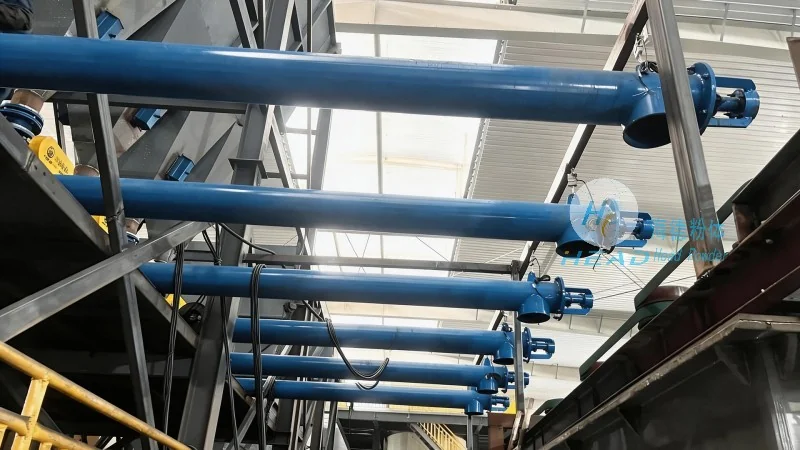
The wood chip material handling system is widely used in various industries, including wood processing, biomass power generation, and paper manufacturing. In wood processing facilities, the system efficiently transports wood chips from sawmills to drying or pelletizing units. In biomass energy plants, it ensures a steady supply of wood chips to the combustion or gasification systems. The system's adaptability allows it to handle different types of wood chips, including softwood and hardwood, with consistent performance. This makes it a versatile solution for various industrial applications, meeting the specific needs of different production environments.
Conclusion
Wood chip material handling systems are critical for maintaining efficient production in wood processing and related industries. The equipment from Shandong HeadPowder Engineering Co., Ltd. combines advanced technology, robust design, and reliable performance to meet the demands of modern industrial operations. By understanding the operation process and working principle of these systems, users can better appreciate their importance in optimizing production workflows and ensuring consistent material handling. The system's features and advantages make it a valuable investment for businesses seeking to enhance their operational efficiency and reduce costs.