

Operation Process and Working Principle of Winery Waste Material Conveying System Equipment
Winery operations generate significant volumes of waste material, commonly known as grape pomace or wine lees. Efficient handling and transportation of these materials are crucial for maintaining productivity and ensuring compliance with environmental regulations. The winery waste material conveying system, developed by Shandong HeadPowder Engineering Co., Ltd., is a specialized piece of equipment designed to address these challenges. This system integrates advanced engineering principles and robust construction to facilitate the seamless transfer of grape pomace and other solid waste from production areas to disposal or processing facilities.
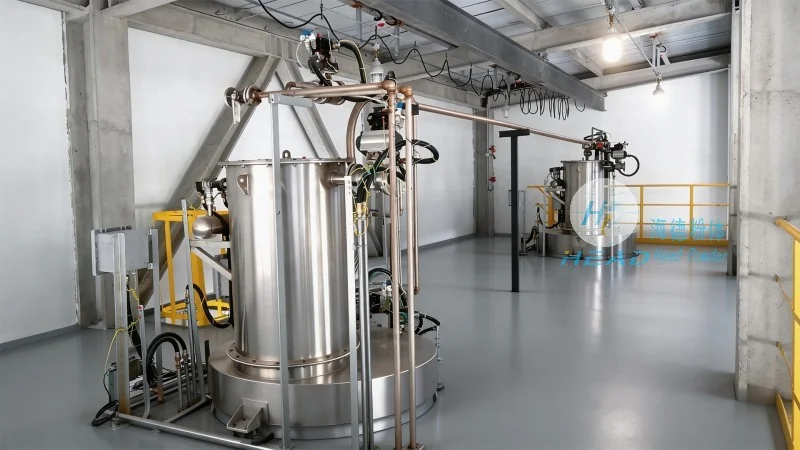
Key Components and Their Functions
The winery waste material conveying system consists of several critical components, each playing a vital role in the overall operation. The primary components include the hopper, conveyor mechanism, control panel, and discharge outlet. The hopper is designed to collect and temporarily store the waste material, ensuring a consistent feed to the conveyor. The conveyor mechanism, often a screw or belt type, is responsible for transporting the material through the system. The control panel allows operators to monitor and adjust the system's speed and operation, optimizing performance based on the volume and characteristics of the waste. The discharge outlet is strategically positioned to direct the material to the next stage of processing or disposal.
Operating Process of the Conveying System
The operation of the winery waste material conveying system begins with the loading of the hopper. Waste material, such as grape skins, seeds, and stems, is fed into the hopper from the winery's production lines. Once the hopper is filled to an appropriate level, the conveyor mechanism is activated. The system's control panel adjusts the conveyor speed to maintain a steady flow of material. As the material moves through the conveyor, it is transported to the discharge outlet. The speed and direction of the conveyor are continuously monitored to prevent blockages or overloading, ensuring smooth and uninterrupted operation. The system's design minimizes material degradation and loss, preserving the quality of the waste for further processing or disposal.
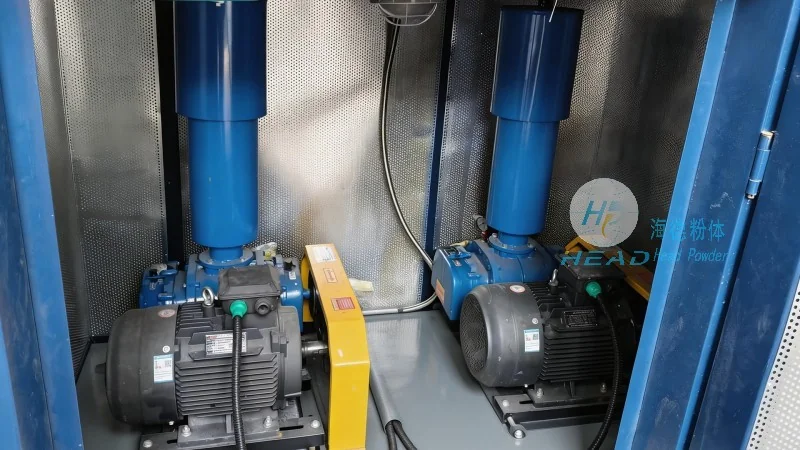
Working Principle of the Conveying System
The working principle of the winery waste material conveying system is based on mechanical energy transfer and material handling technology. The system utilizes a screw or belt conveyor that rotates to move the waste material along a predetermined path. The screw conveyor, for instance, consists of a helical screw rotating within a cylindrical housing. As the screw rotates, it pushes the material forward, similar to an Archimedes' screw. The belt conveyor, on the other hand, uses a motor-driven pulley system to move a belt that carries the material. The control panel regulates the motor speed, allowing precise control over the conveyor's speed and load capacity. The system's design ensures that the material is conveyed efficiently without excessive friction or damage, maintaining the integrity of the waste. The working principle also incorporates safety features, such as overload protection and emergency stop buttons, to prevent accidents and ensure operator safety.
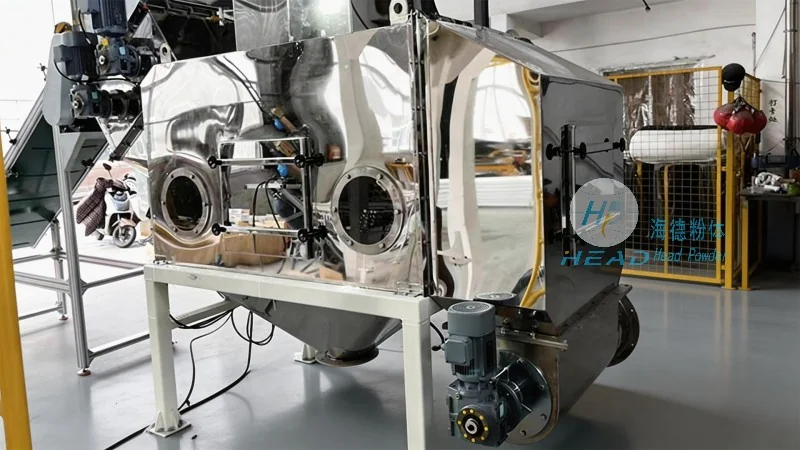
Benefits and Applications
The winery waste material conveying system offers numerous benefits for wineries, including improved operational efficiency, reduced labor costs, and enhanced environmental compliance. By automating the transportation of waste material, the system minimizes the need for manual handling, which can be labor-intensive and hazardous. The system's robust construction and advanced control features ensure reliable operation, even with high volumes of waste. Additionally, the system's design allows for easy integration with existing winery infrastructure, reducing installation time and costs. The system is widely used in wineries of various sizes, from small boutique operations to large-scale commercial facilities. It is particularly effective in handling grape pomace, which is a major byproduct of wine production and requires efficient disposal or processing to maintain environmental standards.
Conclusion
In conclusion, the winery waste material conveying system developed by Shandong HeadPowder Engineering Co., Ltd. is a highly effective solution for managing winery waste. The system's operation process and working principle are designed to ensure efficient, safe, and reliable transportation of waste material. By integrating advanced technology and robust engineering, the system addresses the challenges faced by wineries in handling large volumes of waste. The system's benefits, including improved efficiency, reduced labor costs, and enhanced environmental compliance, make it an essential component of modern winery operations. As the demand for sustainable and efficient waste management solutions in the wine industry continues to grow, the winery waste material conveying system remains a valuable asset for wineries seeking to optimize their operations and meet regulatory requirements.