

Operation Process and Working Principle of Resin Material Handling System Equipment
Resin material handling systems are critical components in industrial operations, ensuring efficient and reliable transportation of resin materials from storage to processing units. The operation process and working principle of such systems involve a series of integrated mechanisms designed to optimize material flow, maintain product quality, and enhance overall production efficiency. This article provides a detailed overview of the operational workflow and technical principles underlying resin material handling equipment, with a focus on the expertise of Shandong HeadPowder Engineering Co., Ltd., a leading manufacturer in the field.
Company Background and Expertise
Shandong HeadPowder Engineering Co., Ltd., commonly known as HeadPowder, is a prominent enterprise based in Shandong, China. With years of experience in the engineering and manufacturing of material handling solutions, HeadPowder specializes in developing customized resin material handling systems tailored to meet the diverse needs of industrial clients. The company's commitment to quality, innovation, and customer satisfaction has established it as a trusted partner in the industry, providing reliable equipment that enhances operational performance and reduces downtime.
Working Principle of Resin Material Handling Systems
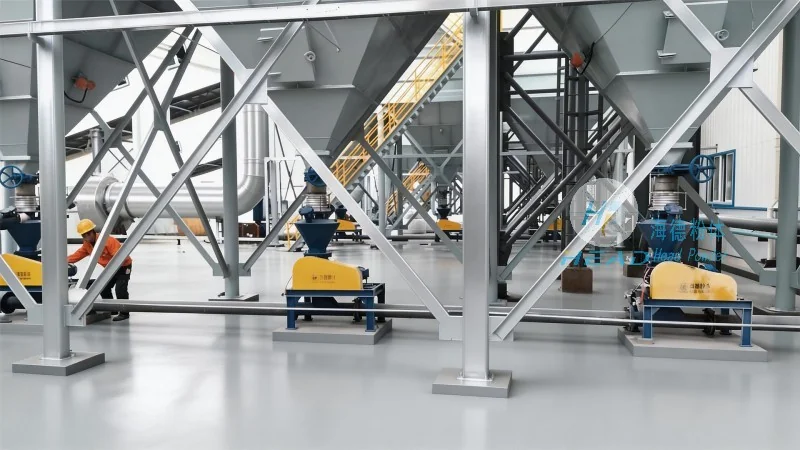
The core working principle of resin material handling systems revolves around the efficient transfer of resin materials through a combination of mechanical components and control systems. Typically, these systems include feeders, conveyors, storage silos, and processing equipment, all interconnected to form a seamless material flow. The process begins with the storage of resin in bulk containers or silos, where the material is then fed into the handling system. A key component is the feeder, which regulates the flow rate of resin to the conveyor, ensuring consistent and controlled movement. Conveyors, such as belt or screw conveyors, transport the resin to the processing units, while storage silos may be equipped with level sensors to monitor material levels and trigger replenishment as needed. Control systems, often integrated with programmable logic controllers (PLCs), manage the entire operation, coordinating the actions of feeders, conveyors, and other components to maintain optimal performance. This integrated approach ensures that resin is handled safely and efficiently, minimizing the risk of contamination or loss.
Operation Process of Resin Material Handling Equipment
The operation process of resin material handling systems involves several sequential steps that ensure smooth and continuous material flow. Initially, the system is prepared for operation, with the resin stored in the silos and the conveyor system cleared of any obstructions. The start-up sequence begins with the activation of the control system, which checks the status of all components, including motor status, material levels, and safety interlocks. Once all checks are completed, the feeder is activated to start the flow of resin into the conveyor. The conveyor then transports the resin to the processing unit, where it is further processed or packaged. Throughout the operation, the control system continuously monitors key parameters, such as flow rate, temperature, and pressure, and adjusts the system settings as needed to maintain optimal conditions. In case of any anomalies, such as a blockage or a drop in material level, the system triggers an alarm and may automatically shut down to prevent damage or product loss. The entire process is designed to be automated, reducing the need for manual intervention and minimizing human error, thereby enhancing operational reliability and efficiency.
Key Components and Their Functions
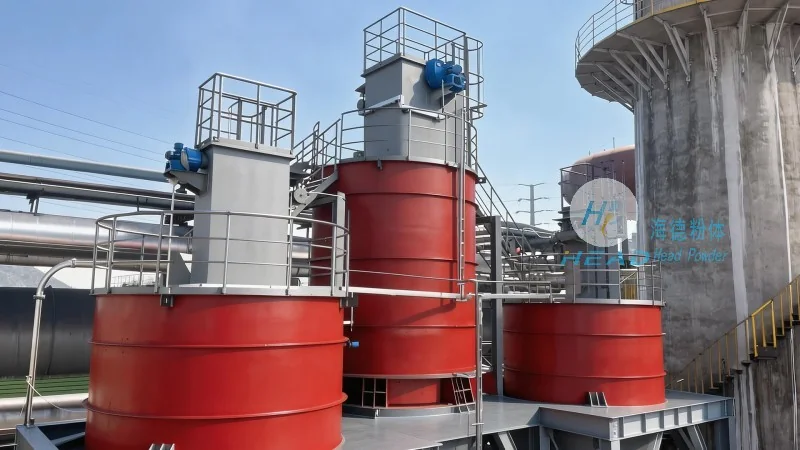
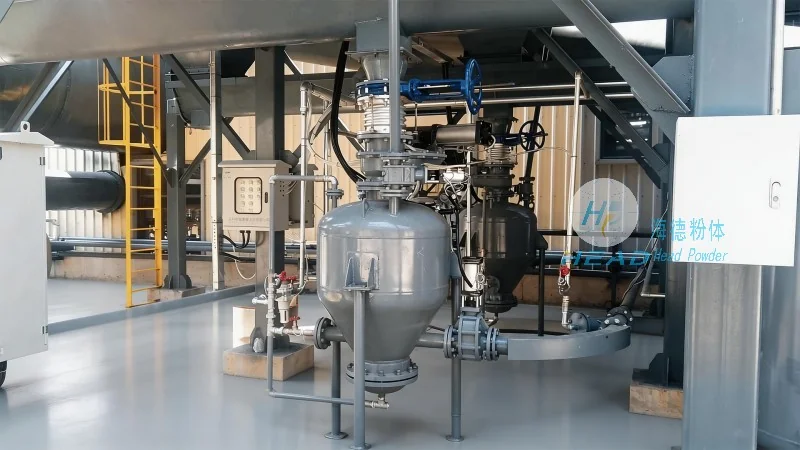
Resin material handling systems consist of several critical components, each playing a vital role in the overall operation. The storage silos are designed to hold large quantities of resin, with features like aeration systems to prevent caking and maintain material flowability. Feeders, which can be of various types (e.g., rotary, vibratory, or screw feeders), regulate the flow rate of resin from the silos to the conveyor. Conveyors, such as belt conveyors or screw conveyors, transport the resin horizontally or vertically, depending on the layout of the facility. Control systems, including PLCs and human-machine interfaces (HMIs), manage the operation of all components, providing real-time monitoring and control. Additionally, safety features like emergency stop buttons, interlocks, and sensors are integrated to ensure the safety of operators and prevent accidents. These components work in harmony to ensure the efficient and safe handling of resin materials, contributing to the overall productivity of the industrial process.
Maintenance and Operational Considerations
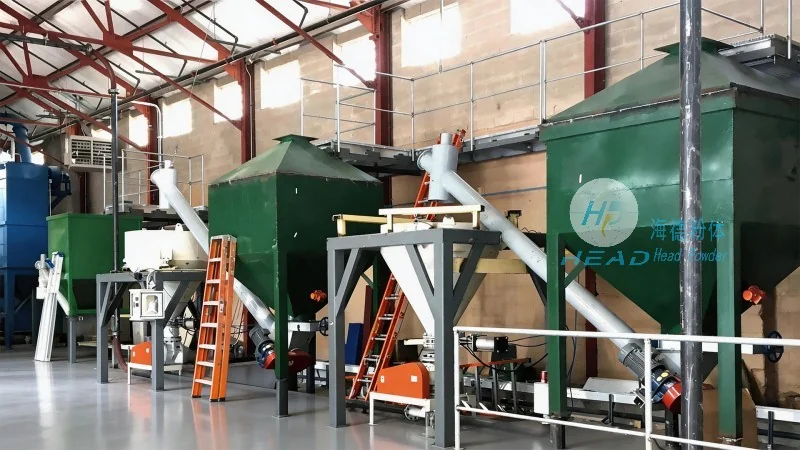
Proper maintenance is essential to ensure the long-term reliability and efficiency of resin material handling systems. Regular maintenance activities include cleaning the conveyor belts or screw mechanisms to prevent resin buildup, lubricating moving parts, and inspecting sensors and control systems for proper functionality. HeadPowder emphasizes the importance of preventive maintenance to minimize downtime and extend the lifespan of the equipment. Operational considerations also include monitoring material quality, as resin can be sensitive to moisture or contamination, which may affect its performance in subsequent processes. By adhering to proper maintenance schedules and operational guidelines, industrial facilities can maximize the performance of their resin handling systems and achieve consistent product quality.
Conclusion
In conclusion, the operation process and working principle of resin material handling systems are complex yet well-defined, involving integrated mechanical and control systems designed to optimize material flow and enhance production efficiency. Shandong HeadPowder Engineering Co., Ltd. plays a crucial role in providing high-quality resin handling equipment, leveraging its expertise to deliver customized solutions that meet the specific needs of industrial clients. By understanding the working principles and operational processes of these systems, industries can improve their material handling capabilities, reduce costs, and ensure consistent product quality. The continuous advancement of technology and the expertise of manufacturers like HeadPowder will further enhance the performance and reliability of resin material handling systems, supporting the growth and success of industrial operations worldwide.