

How to Design a Rational Aluminum Fly Ash Pneumatic Conveying System Plan?
Managing aluminum fly ash efficiently is a critical challenge in industrial operations, and the choice of a pneumatic conveying system plays a pivotal role in achieving optimal performance. A well-designed system not only ensures smooth material transport but also minimizes operational risks and environmental impact. Shandong HeadPowder Engineering Co., Ltd., with its expertise in material handling solutions, provides comprehensive guidance on the key aspects of designing a rational aluminum fly ash pneumatic conveying system.
Key Factors Influencing System Design
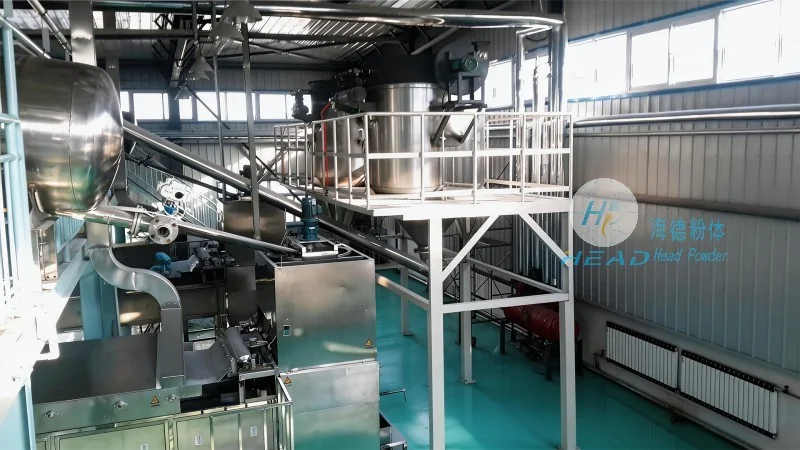
The design of an aluminum fly ash pneumatic conveying system is influenced by several critical factors. First, the physical properties of the fly ash, such as particle size, density, and moisture content, directly impact the system's performance. Larger or more cohesive particles may require higher air pressure or specialized equipment to ensure reliable transport. Additionally, the distance and layout of the conveying route affect the selection of system type—whether a positive pressure or negative pressure system is more suitable. The system must also comply with local environmental regulations regarding dust emission and noise control, which may dictate the need for filtration and silencing components.
Types of Pneumatic Conveying Systems
There are primarily two types of pneumatic conveying systems used for aluminum fly ash: positive pressure and negative pressure systems. Positive pressure systems, which blow air into the system to move material, are often preferred for short to medium distances and when handling abrasive or corrosive materials. They typically feature a blower at the inlet and a discharge point at the end of the line. Negative pressure systems, on the other hand, draw material into the system using a vacuum at the discharge end, making them suitable for longer distances or when the material needs to be transported from multiple sources. Both systems have advantages and limitations, and the choice depends on specific operational conditions and material characteristics.
System Components and Equipment Selection
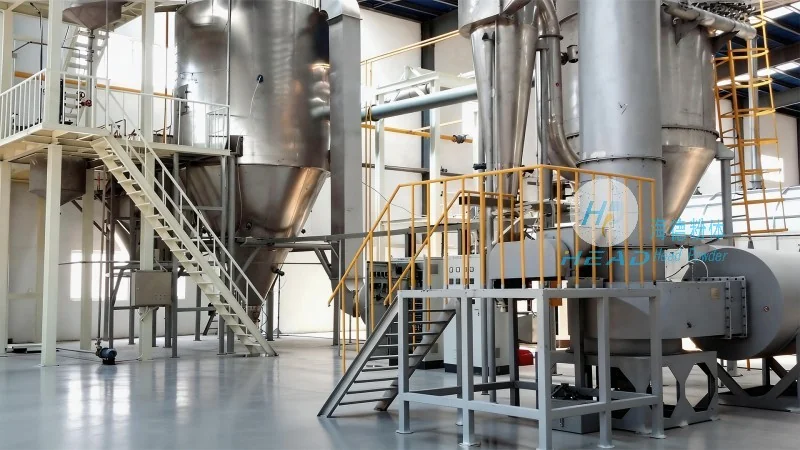
A pneumatic conveying system consists of several key components, each playing a vital role in the overall operation. The primary components include a blower or vacuum pump, conveying pipes, a hopper or feeder for material loading, a filter system to capture dust and particulates, and a silencer to reduce noise. The selection of these components is critical and must align with the system's design parameters. For example, the blower's capacity and pressure must match the required air flow rate and pressure to move the fly ash through the pipeline. The conveying pipes should be made of materials resistant to corrosion and abrasion, such as stainless steel or high-density polyethylene, to prevent wear and maintain system integrity. The feeder, often a rotary valve or a screw feeder, ensures a consistent material feed rate, preventing blockages and maintaining system efficiency. The filter system is essential for environmental compliance, as it captures fine particles and prevents them from being released into the atmosphere. Finally, the silencer reduces noise levels to meet occupational safety standards and minimize noise pollution.
Design Considerations for Material Handling
When designing a system for aluminum fly ash, it is essential to consider the material's behavior during transport. Aluminum fly ash can be abrasive and may contain fine particles that require gentle handling to avoid equipment wear and clogging. The system must be designed to minimize pressure drops and maintain consistent air flow to prevent material settling or blockages in the pipes. Additionally, the system should include features for monitoring and controlling the flow rate, such as pressure sensors and flow meters, to ensure stable operation. The use of flexible connectors and expansion joints in the pipeline can also help accommodate thermal expansion and reduce stress on the system components.
Environmental and Safety Compliance
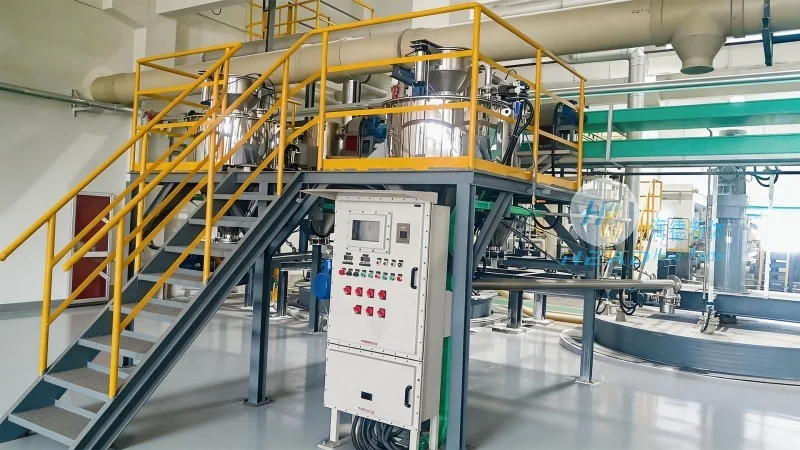
Compliance with environmental and safety regulations is a non-negotiable aspect of designing an aluminum fly ash pneumatic conveying system. The system must be equipped with dust collection and filtration systems to meet air quality standards and prevent particulate emissions. The use of explosion-proof components is also necessary if the fly ash is flammable or contains volatile compounds. Additionally, the system should include safety features such as emergency shut-off valves and pressure relief devices to prevent accidents and protect personnel. Regular maintenance and inspection of the system are crucial to ensure ongoing compliance and optimal performance.
Case Study: Successful Implementation by Shandong HeadPowder
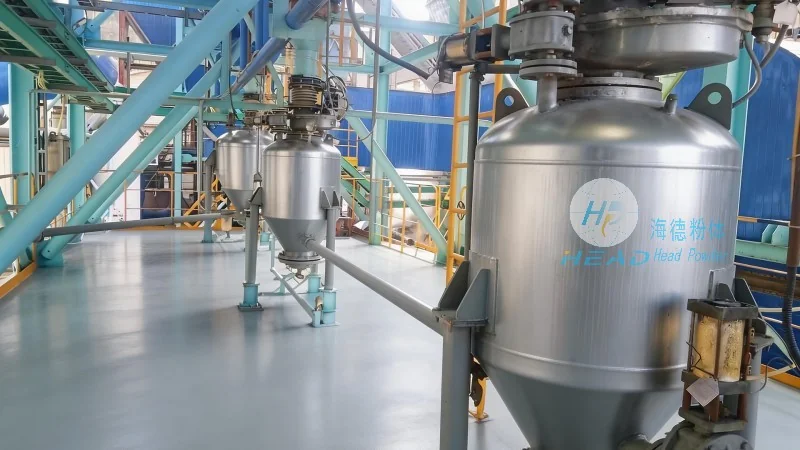
Shandong HeadPowder Engineering Co., Ltd. has successfully implemented numerous aluminum fly ash pneumatic conveying systems for clients across China. One notable project involved a large aluminum smelting plant in Shandong, where the company designed and installed a positive pressure system to transport fly ash from the furnace to a storage silo. The system was engineered to handle high-volume, abrasive fly ash with particle sizes ranging from 0.1 to 2 mm. By selecting appropriate stainless steel pipes and a high-capacity blower, the system achieved a conveying rate of 50 tons per hour with minimal pressure loss. The inclusion of a high-efficiency filter and silencer ensured compliance with local environmental regulations, while the rotary valve feeder maintained consistent material flow. The project demonstrated the effectiveness of a well-designed system in improving operational efficiency and reducing labor costs.
Conclusion and Recommendations
Designing a rational aluminum fly ash pneumatic conveying system requires a comprehensive approach that considers material properties, operational requirements, and regulatory compliance. By carefully evaluating system types, selecting appropriate components, and adhering to safety and environmental standards, industrial facilities can achieve efficient and reliable material transport. Shandong HeadPowder Engineering Co., Ltd. offers expert guidance and customized solutions to help clients design and implement effective pneumatic conveying systems for their aluminum fly ash management needs. With their experience and commitment to quality, they provide reliable support throughout the entire process, from initial design to system installation and maintenance.