

Operation Process and Working Principle of Material Handling Equipment for Battery Anode Materials
HeadPowder, a leading manufacturer based in Shandong, China, specializes in the design and production of advanced material handling equipment tailored for the battery industry. This article provides a detailed overview of the operation process and working principle of their battery anode material handling equipment, highlighting its efficiency and reliability in material processing.
Overview of the Material Handling Equipment
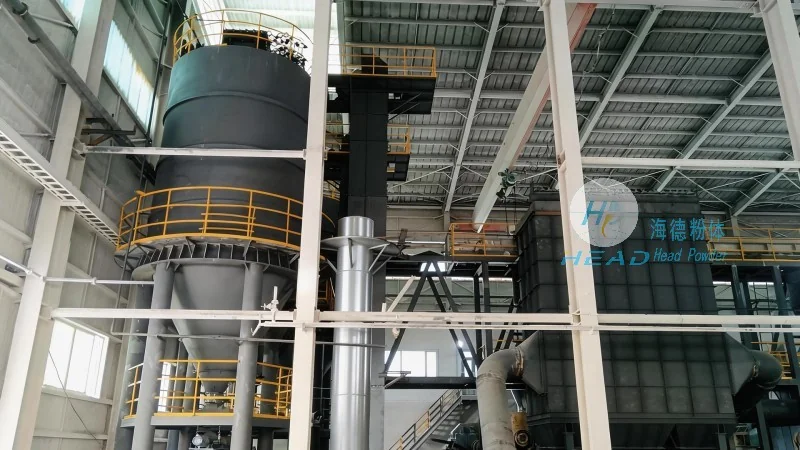
The material handling equipment for battery anode materials is a specialized system engineered to transport, store, and manage raw materials and intermediate products used in the production of lithium-ion battery anodes. It integrates multiple components, including conveyors, storage silos, feeding mechanisms, and control systems, to ensure seamless material flow from receipt to processing. The equipment is designed to meet the high standards of the battery manufacturing industry, with a focus on precision, durability, and safety.
Key Components and Their Functions
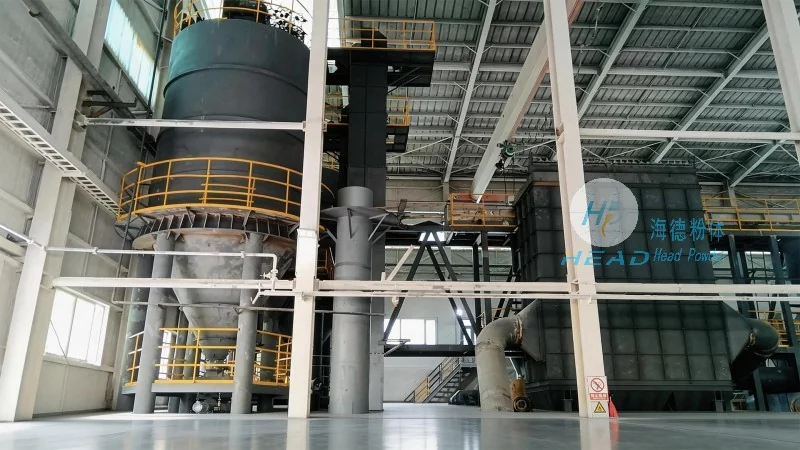
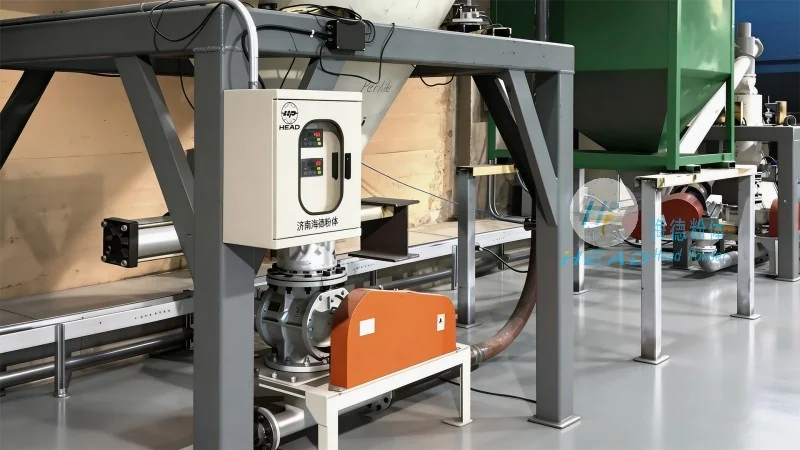
The core components of the equipment include bulk material feeders, pneumatic conveying systems, storage silos, and automated control panels. Each component plays a critical role in the overall operation. For instance, the bulk material feeders are responsible for receiving raw anode materials from trucks or storage areas and transferring them into the conveying system. The pneumatic conveying system uses air pressure to transport the materials through pipelines to the processing units, ensuring minimal dust and contamination. The storage silos provide temporary storage for materials, allowing for continuous operation even during maintenance or shifts. The control panels enable operators to monitor and adjust the system parameters in real-time, optimizing performance and reducing downtime.
Operation Process
The operation process of the material handling equipment for battery anode materials typically involves several stages. Initially, raw materials are delivered to the facility and unloaded from trucks. The materials are then transferred to the bulk material feeders, where they are weighed and inspected for quality. Next, the feeders introduce the materials into the pneumatic conveying system, which transports them to the storage silos. From the silos, the materials are fed into the processing lines as needed. The system is equipped with sensors and alarms to detect any abnormalities, such as blockages or low material levels, and to alert operators for timely intervention. The entire process is automated to a large extent, reducing manual labor and increasing operational efficiency.
Working Principle
The working principle of the material handling equipment is based on the integration of mechanical, pneumatic, and electrical systems. The mechanical components, such as conveyors and feeders, handle the physical movement of materials. The pneumatic system uses compressed air to create a flow of material through the pipelines, ensuring consistent and controlled transport. The electrical control system manages the operation of all components, coordinating their actions based on the input from sensors and the operator's commands. This integrated approach allows for a smooth and efficient material flow, minimizing the risk of material loss or contamination. The system is also designed with safety features, such as emergency stop buttons and dust collection systems, to protect operators and the environment.
Technical Advantages and Applications
HeadPowder's material handling equipment for battery anode materials offers several technical advantages that make it suitable for modern battery manufacturing plants. The equipment is designed to handle a wide range of anode materials, including graphite, silicon, and other conductive additives, with high precision and low loss. The pneumatic conveying system ensures that materials are transported with minimal degradation, preserving their quality for the subsequent processing steps. The automated control system reduces human error and increases production consistency, leading to higher product quality and lower costs. The equipment is also scalable, allowing it to be customized to meet the specific needs of different battery production lines, from small-scale research and development to large-scale commercial production.
Conclusion
In conclusion, the material handling equipment for battery anode materials from Shandong HeadPowder Engineering Co., Ltd. is a highly efficient and reliable system that plays a crucial role in the battery manufacturing process. By integrating advanced mechanical, pneumatic, and electrical technologies, the equipment ensures seamless material flow, high product quality, and operational efficiency. With its focus on precision, durability, and safety, this equipment is an essential component for any battery manufacturer looking to optimize their production processes and meet the growing demand for high-performance batteries.