

Operation Process and Working Principle of Positive Pressure Dilute Phase Material Conveying Lines
Positive pressure dilute phase material conveying lines are advanced industrial systems designed to transport bulk materials efficiently over long distances. These systems utilize a positive pressure environment to move materials in a suspended state, ensuring high throughput and minimal material degradation. The operation of such lines involves several key components and processes that work in tandem to achieve reliable and continuous material transport.
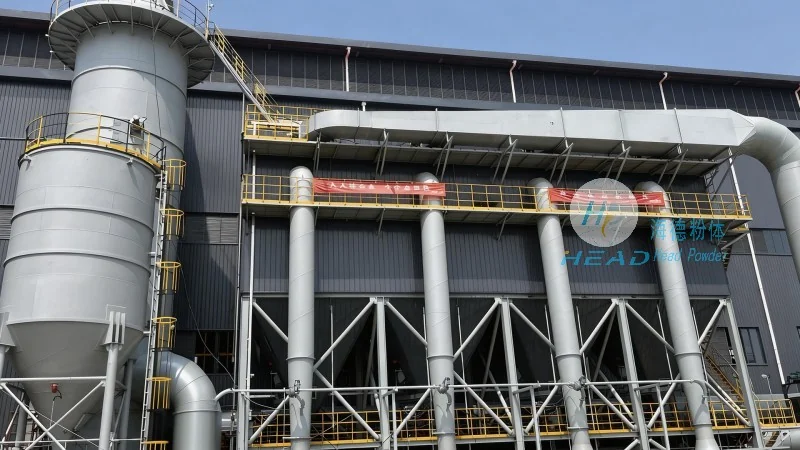
Overview of Positive Pressure Dilute Phase Conveying Systems
At the core of positive pressure dilute phase conveying systems is the principle of transporting materials in a fine, suspended state within a pressurized pipeline. This method is particularly effective for handling powders, granules, and other particulate materials that are prone to caking or agglomeration when transported in a dense phase. The system typically consists of a blower or compressor that generates the necessary pressure, a hopper or feeder to introduce the material, a pipeline network, and a receiver or discharge system. The entire setup operates under positive pressure, meaning the pressure inside the pipeline is higher than the ambient air pressure, which prevents air from entering and ensures a consistent flow of material.
Key Components and Their Functions
The effectiveness of a positive pressure dilute phase conveying line depends on the proper functioning of several critical components. The blower or compressor is the primary source of pressure, providing the energy needed to move the material through the pipeline. It is usually sized to deliver the required airflow and pressure to achieve the desired conveying velocity. The feeder or hopper is responsible for feeding the material into the pipeline at a controlled rate, preventing overloading and ensuring a steady flow. This component often includes a rotary valve or screw feeder to regulate the material discharge. The pipeline itself is made of materials resistant to the conveyed material, such as stainless steel or special plastics, to avoid corrosion or material contamination. The pipeline network may include bends, elbows, and vertical sections, all designed to maintain the material in a suspended state and minimize pressure drop. Finally, the receiver or discharge system collects the material at the end of the conveying line, often equipped with a silo or storage vessel to hold the received material.
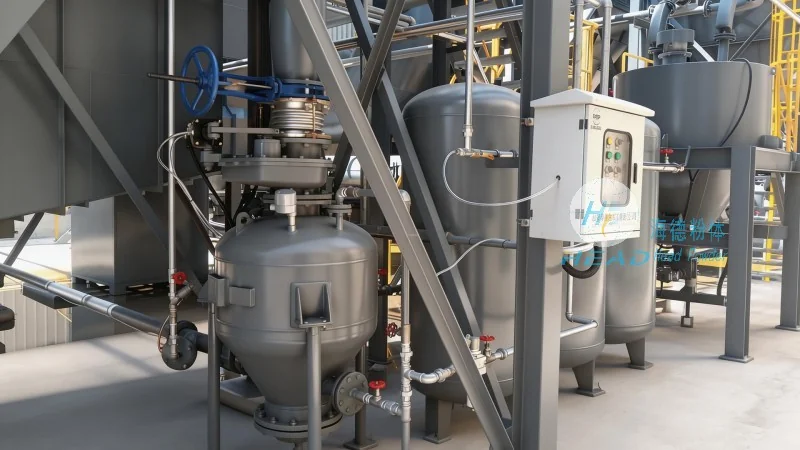
Operation Process: Step-by-Step Workflow
The operation of a positive pressure dilute phase material conveying line follows a systematic workflow that ensures efficient material transport. The process begins with the preparation of the material in the hopper or feeder. The material is then fed into the pipeline at a controlled rate, typically using a rotary valve or screw feeder. The blower or compressor then generates the necessary pressure, which propels the material through the pipeline. As the material travels, it remains in a suspended state due to the airflow, maintaining a consistent velocity and preventing blockages. The pipeline network may include various components such as bends and vertical sections, which are designed to handle changes in direction and elevation without disrupting the flow. At the receiving end, the material is discharged into a receiver or storage vessel, completing the conveying process. The entire operation is monitored for pressure, flow rate, and material level to ensure optimal performance and prevent any issues.
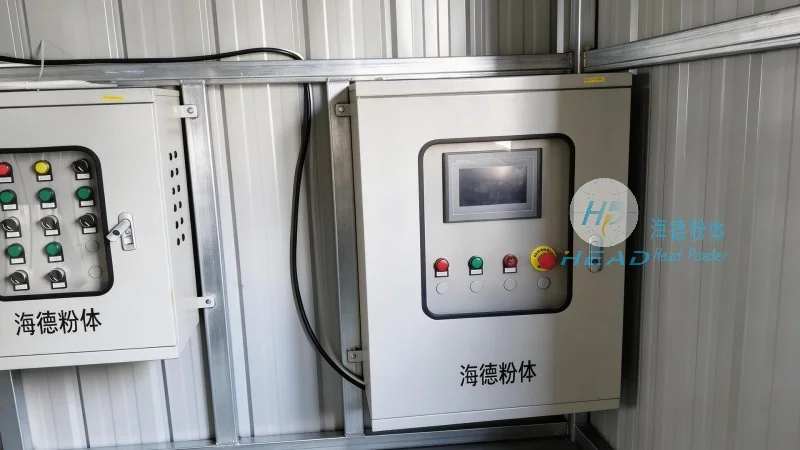
Working Principle: How the System Transports Materials
The working principle of positive pressure dilute phase material conveying lines is based on the interaction between the material particles and the air stream within the pressurized pipeline. The blower or compressor creates a high-pressure air flow that entrains the material particles, lifting them into the air stream and suspending them. The velocity of the air stream is maintained at a level sufficient to keep the particles in suspension, preventing them from settling or caking. The pressure differential between the inlet and outlet of the pipeline drives the material forward, ensuring a continuous flow. The system operates under positive pressure, which means the pressure inside the pipeline is higher than the ambient air pressure, preventing air from entering and maintaining the material in a suspended state. This principle allows for efficient transport of materials over long distances, with minimal energy consumption compared to other conveying methods.
About Shandong HeadPowder Engineering Co., Ltd.
Shandong HeadPowder Engineering Co., Ltd., commonly known as headpowder, is a leading manufacturer and supplier of material handling equipment, including positive pressure dilute phase conveying lines. With a strong focus on innovation and quality, the company has established itself as a trusted partner in the industrial sector. Headpowder's facilities are located in Shandong, China, where the company leverages advanced manufacturing techniques and a skilled workforce to produce high-performance conveying systems. The company's products are designed to meet the diverse needs of various industries, including chemical, pharmaceutical, food, and mining, ensuring reliable and efficient material transport solutions. Headpowder's commitment to customer satisfaction and technical excellence has made it a preferred choice for businesses seeking advanced material handling solutions.