

Operation Process and Working Principle of Titanium Dioxide Material Handling System
For industrial applications involving titanium dioxide (TiO₂) processing, an efficient material handling system is crucial for maintaining production efficiency and product quality. The titanium dioxide material handling system developed by Shandong HeadPowder Engineering Co., Ltd. (hereinafter referred to as HeadPowder) is designed to address the unique challenges of handling this high-value pigment. This system integrates advanced technology and robust engineering to ensure smooth material flow from storage to processing units.
System Overview and Core Components
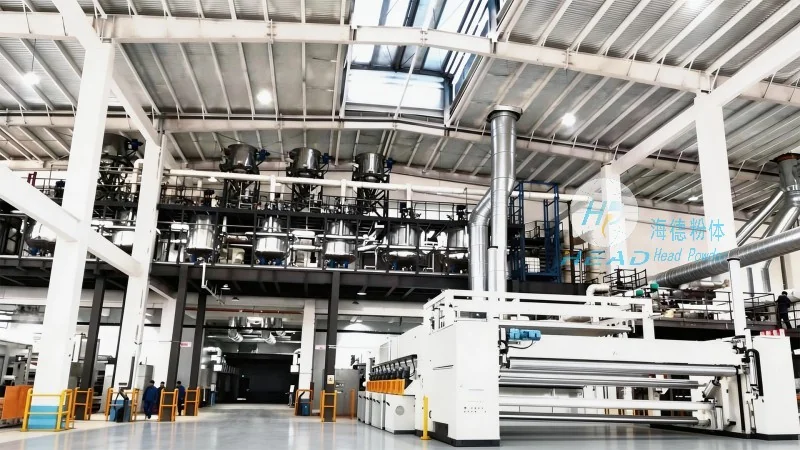
The titanium dioxide material handling system typically consists of several key components that work in tandem to achieve seamless material transfer. These include bulk storage silos, conveying equipment such as screw conveyors or pneumatic systems, feeding mechanisms, and control panels. Each component is engineered to handle the specific physical properties of titanium dioxide, including its fine particle size and potential for dust generation. The system is designed with safety features to prevent dust explosions and ensure operator safety, adhering to industrial standards for material handling.
Operation Process: From Storage to Processing
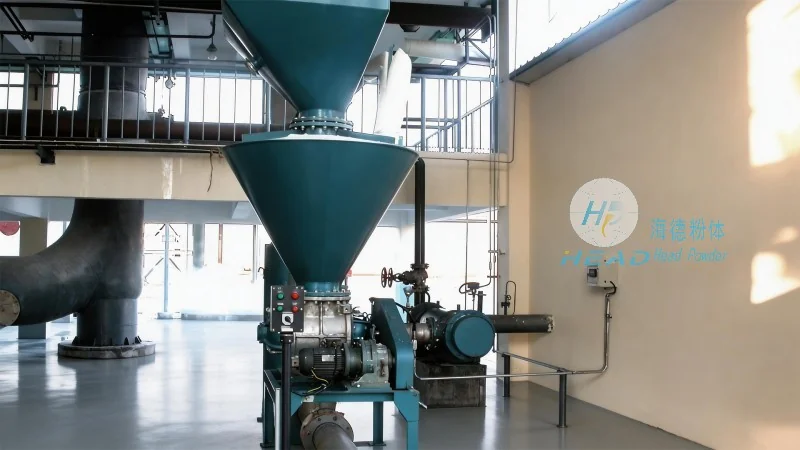
The operation process of the titanium dioxide material handling system begins with material storage in bulk silos. These silos are equipped with level sensors and aeration systems to maintain optimal material conditions and prevent caking. When production is initiated, the material is discharged from the silo through a controlled feeding mechanism, such as a rotary valve or a screw feeder. The conveyed material is then transported to the processing units via the chosen conveying system. The system’s control panel allows operators to monitor and adjust the flow rate, ensuring consistent material delivery to downstream equipment. This process minimizes downtime and maximizes production throughput.
Working Principle: Mechanical and Pneumatic Conveying
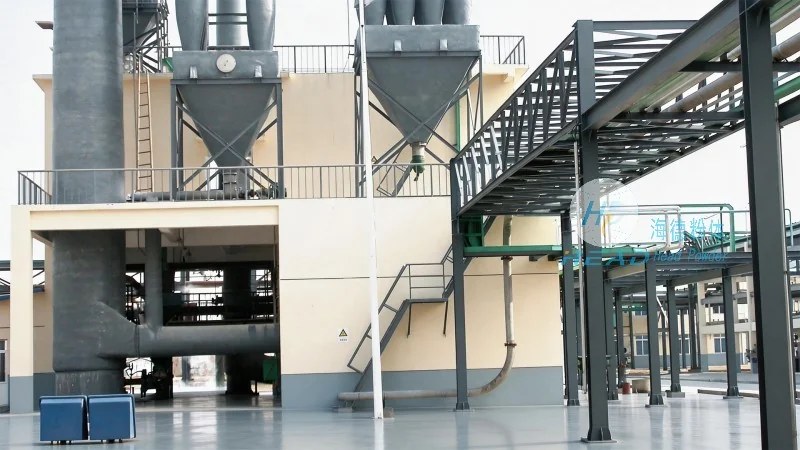
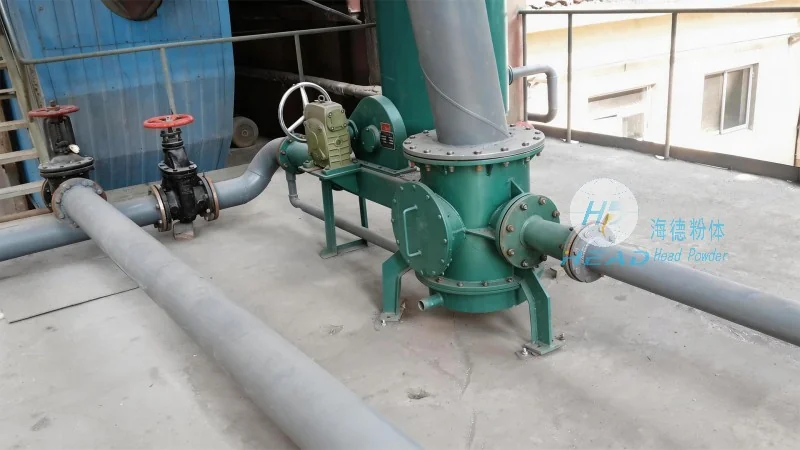
The working principle of the titanium dioxide material handling system can be categorized into mechanical and pneumatic conveying methods. Mechanical conveying, often using screw or belt conveyors, relies on mechanical force to move material through a closed or open system. This method is suitable for handling larger quantities of material and is less susceptible to blockages compared to pneumatic systems. Pneumatic conveying, on the other hand, uses air pressure to transport material through pipes. This method is ideal for fine powders like titanium dioxide, as it minimizes particle degradation and dust exposure. The system may incorporate a combination of both methods to optimize material handling based on the specific requirements of the production line.
Key Advantages and Benefits
Implementing a specialized titanium dioxide material handling system offers several advantages for industrial operations. Firstly, it enhances production efficiency by ensuring a continuous and consistent material supply, reducing bottlenecks and downtime. Secondly, the system improves product quality by minimizing material handling-related contamination and degradation. Thirdly, it enhances safety by incorporating dust control measures and explosion-proof designs, which are critical for handling fine powders. Additionally, the system’s modular design allows for easy integration with existing production lines and future expansion as production needs grow.
Application in Titanium Dioxide Processing
The titanium dioxide material handling system is widely used in the production of titanium dioxide pigments, which are essential in various industries including coatings, plastics, and paper. In these applications, the system ensures that the fine TiO₂ powder is transported safely and efficiently from storage to the grinding or milling units. The consistent material flow provided by the system is vital for achieving uniform pigment quality and color consistency. The system’s ability to handle high volumes of material at a controlled rate also supports large-scale production, making it suitable for both new and existing manufacturing facilities.
Conclusion and Company Information
Shandong HeadPowder Engineering Co., Ltd. specializes in designing and manufacturing advanced material handling systems tailored to the needs of the titanium dioxide industry. With a focus on efficiency, safety, and quality, the company’s titanium dioxide material handling system provides a reliable solution for industrial material transfer. By integrating cutting-edge technology and robust engineering, HeadPowder ensures that its systems meet the highest standards of performance and durability. For businesses in the titanium dioxide sector, investing in a specialized material handling system from HeadPowder can lead to improved operational efficiency, enhanced product quality, and reduced safety risks. Contact HeadPowder at their location in Shandong, China, for more information on their material handling solutions.