

Operation Process and Working Principle of Sodium Sulphate Material Handling System
Shandong HeadPowder Engineering Co., Ltd., a leading enterprise in the field of chemical material processing, specializes in the design, manufacturing, and implementation of efficient material handling systems. The company's expertise lies in developing tailored solutions for bulk material transportation, particularly for sodium sulphate (also known as Glauber's salt), a widely used industrial chemical in various sectors such as glass manufacturing, detergents, and pharmaceuticals. This document provides a comprehensive overview of the operation process and working principle of a typical sodium sulphate material handling system, highlighting the key components, operational steps, and technical mechanisms that ensure reliable and efficient material transport.
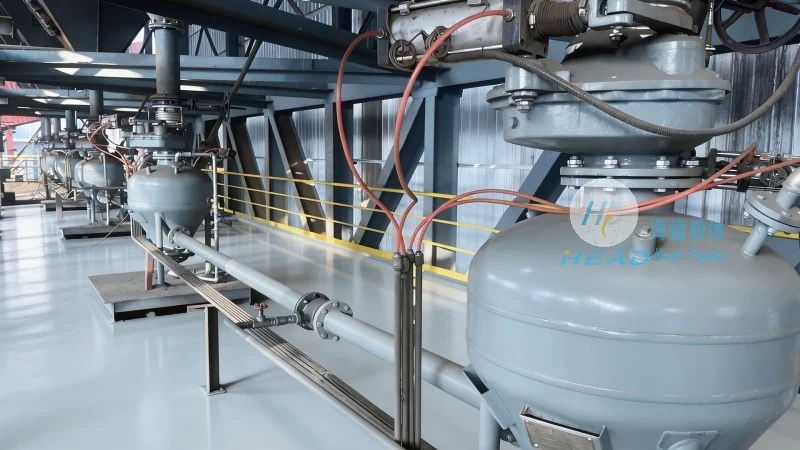
System Overview and Key Components
The sodium sulphate material handling system typically consists of several interconnected components that work in synergy to achieve seamless material transport. The primary components include feed hoppers, conveyor systems (such as belt conveyors or screw conveyors), storage silos, control panels, and discharge mechanisms. Each component is strategically designed to handle the bulk density and flow characteristics of sodium sulphate, ensuring minimal material degradation and maximum operational efficiency. The feed hopper is responsible for receiving raw sodium sulphate from storage or production areas, while the conveyor system transports the material to the storage silo. The storage silo provides temporary storage, allowing for buffer capacity to accommodate fluctuations in production or demand. The control panel monitors and regulates the entire system, ensuring that all operations are synchronized and safe. Discharge mechanisms, such as outlet valves or conveyor discharge points, facilitate the release of material to downstream processes or packaging units.
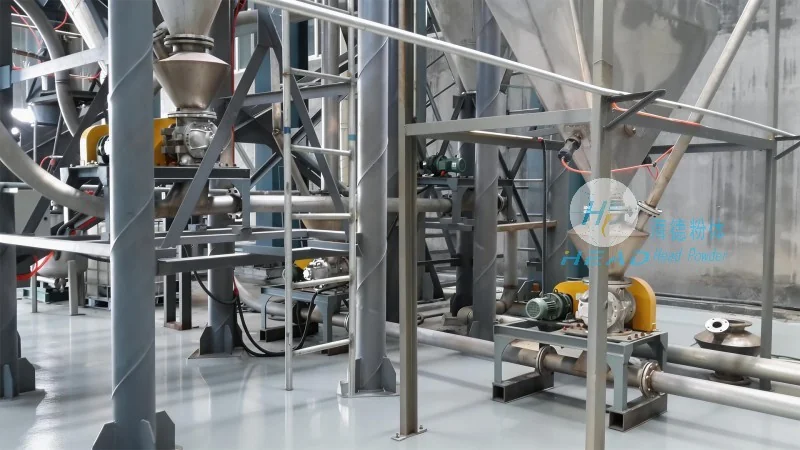
Operation Process: Step-by-Step Workflow
The operation of the sodium sulphate material handling system follows a systematic workflow that ensures consistent and reliable material transport. The process begins with the loading of raw sodium sulphate into the feed hopper. The material is then discharged from the hopper into the conveyor system, where it is transported to the storage silo. The conveyor system may use a belt conveyor with adjustable speed and tension controls to maintain optimal material flow. The storage silo is equipped with level sensors that monitor the material level, preventing overfilling and ensuring safe operation. When downstream processes require material, the control panel activates the discharge mechanism, which releases the material from the silo into the conveyor system for transport to the processing unit. The entire process is automated, with real-time monitoring and feedback loops that adjust operational parameters based on material flow rates and system conditions. This automated workflow minimizes human intervention, reduces operational errors, and enhances overall system efficiency.
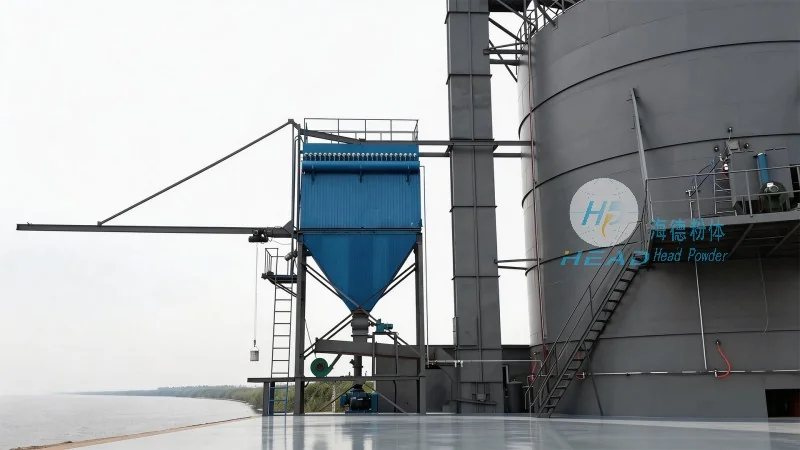
Working Principle: Mechanical and Control Mechanisms
The working principle of the sodium sulphate material handling system is based on mechanical and control mechanisms that work together to achieve efficient material transport. The mechanical components, such as conveyors and hoppers, utilize gravity and mechanical force to move the material. For example, belt conveyors use rotating rollers to move the material along the conveyor path, while screw conveyors use a rotating screw to push the material forward. The storage silo uses a hopper design that allows material to flow freely under gravity, with outlet valves that control the discharge rate. The control mechanisms, including sensors, controllers, and actuators, monitor system parameters such as material level, flow rate, and temperature. These sensors provide real-time data to the control panel, which processes the information and adjusts the operational settings of the conveyor speed, hopper discharge, and silo outlet valves. The control system ensures that the material flow is consistent, preventing blockages or overloading of the system components. Additionally, safety features such as emergency stop buttons and overload protection are integrated into the system to ensure safe operation and prevent accidents.
Technical Specifications and Performance Metrics
The sodium sulphate material handling system is designed to meet specific technical specifications and performance metrics that ensure optimal operation. The system is typically capable of handling bulk densities of sodium sulphate ranging from 1.1 to 1.3 tons per cubic meter, with a flow rate that can be adjusted based on the conveyor capacity. The conveyor system may have a length of up to 50 meters and a width of 600-1200 mm, depending on the material volume and processing requirements. The storage silo has a capacity of 50-200 cubic meters, providing sufficient buffer for material storage. The control panel uses a programmable logic controller (PLC) that allows for custom programming of operational sequences and parameter settings. Performance metrics such as material throughput, system efficiency, and energy consumption are monitored and optimized to ensure that the system operates at peak performance. The system is also designed for easy maintenance, with accessible components and modular design that allows for quick replacement of parts and system upgrades.
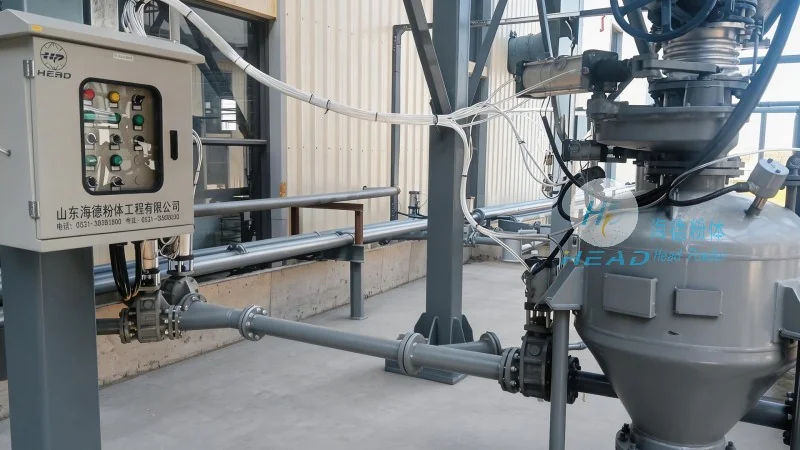
Benefits and Applications
The sodium sulphate material handling system offers several benefits that make it an ideal solution for industrial applications. The system ensures efficient and reliable material transport, reducing downtime and increasing production capacity. The automated control system minimizes human intervention, improving safety and reducing labor costs. The system's modular design allows for easy integration with existing production lines, making it a cost-effective solution for upgrading or expanding material handling capabilities. The system is widely used in the glass manufacturing industry, where sodium sulphate is used as a flux to lower the melting point of glass. It is also used in the detergent industry, where sodium sulphate is a key ingredient in laundry detergents. Additionally, the system is suitable for pharmaceutical applications, where the material needs to be handled with high precision and cleanliness. The system's ability to handle bulk materials with minimal degradation ensures that the quality of the final product is maintained.