

Operation Process and Working Principle of Dust Collection Ash Material Conveying System
Understanding the operation process and working principle of dust collection ash material conveying systems is crucial for optimizing industrial material handling efficiency. These systems are integral to modern industrial operations, particularly in sectors dealing with bulk materials like ash from power plants or other industrial processes. The design and functionality of such systems are tailored to ensure safe, efficient, and reliable transport of fine particulate materials.
Company Overview
HeadPowder, a leading provider in the field, specializes in engineering solutions for material handling systems. Based in Shandong, China, the company has established itself as a trusted partner for businesses seeking advanced and reliable conveying solutions. With a focus on innovation and customer-centric design, HeadPowder delivers systems that meet stringent industry standards and operational requirements.
System Components and Structure
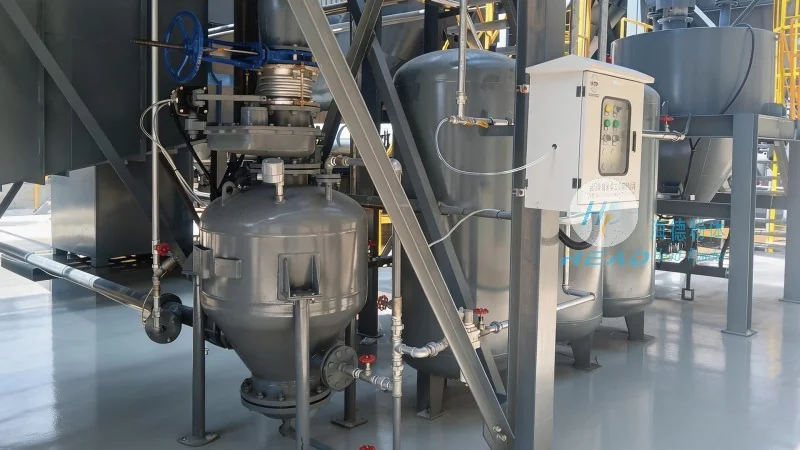
The dust collection ash material conveying system typically comprises several key components that work in tandem to achieve efficient material transport. These components include dust collection hoppers, feeding mechanisms, conveying equipment (such as screw conveyors or pneumatic systems), and discharge units. Each component is designed to handle the specific characteristics of ash materials, including their fine particle size and potential moisture content, ensuring minimal loss and maximum efficiency.
Operation Process: Step-by-Step
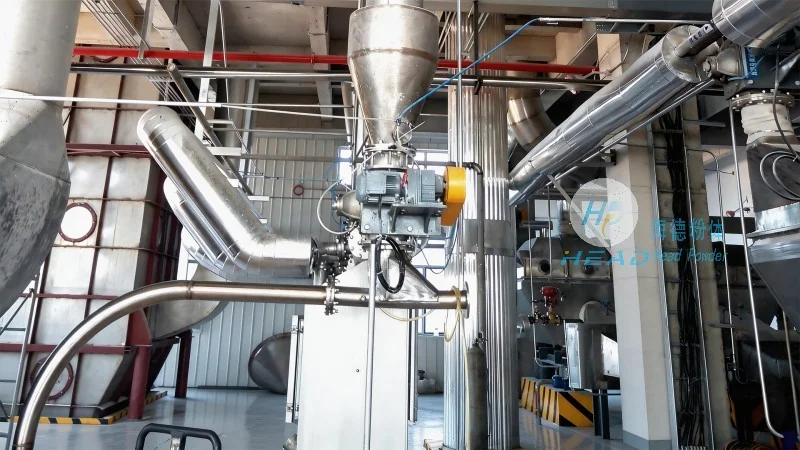
The operation of the system begins with the collection of ash from the source, such as a boiler or industrial furnace. The ash is then transferred into the dust collection hopper, where it is stored temporarily. From the hopper, the material is fed into the conveying equipment. In a screw conveyor system, for example, the ash is moved through a rotating screw mechanism that pushes the material forward. The speed and torque of the screw are carefully controlled to maintain consistent flow and prevent blockages. Pneumatic conveying systems, on the other hand, use compressed air to transport the ash through a pipeline, which is suitable for longer distances and more delicate materials.
Working Principle: Mechanisms of Material Transport
The working principle of the conveying system relies on the interaction between the material properties and the mechanical or pneumatic forces applied to move the ash. For mechanical conveyors like screw or belt conveyors, the principle is based on friction and gravity. The rotating screw or moving belt creates a continuous motion that pulls the material along the conveyor path. The design of the conveyor components, including the pitch of the screw and the angle of the conveyor, is optimized to minimize energy consumption while maximizing throughput. In pneumatic systems, the principle is based on fluid dynamics. Compressed air is introduced into the pipeline, creating a flow that carries the ash particles. The velocity of the air and the size of the particles determine the efficiency of the transport, with proper sizing of the pipeline and air pressure being critical factors.
Key Features and Advantages
Modern dust collection ash material conveying systems from HeadPowder are equipped with several features that enhance their performance and reliability. These include automatic feeding controls, which adjust the feed rate based on the system's load, ensuring consistent operation. The systems also feature dust suppression mechanisms to minimize airborne particulates, improving safety and environmental compliance. Additionally, the use of corrosion-resistant materials in the construction of the conveying components ensures longevity and durability, even in harsh industrial environments.
Application and Industry Impact
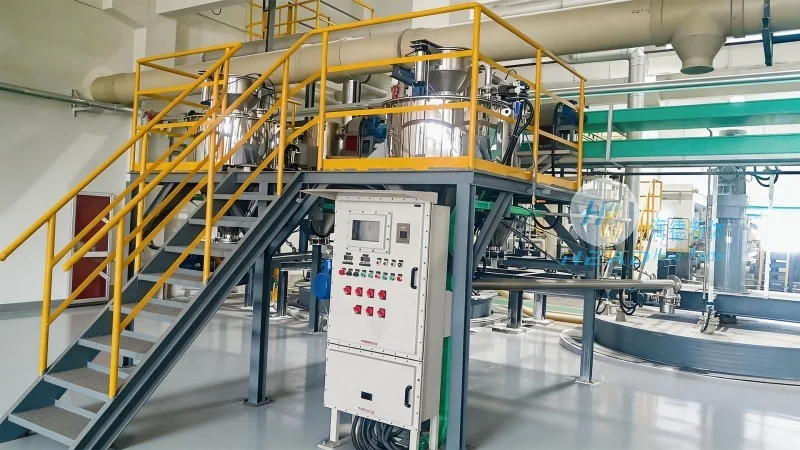
The dust collection ash material conveying systems are widely used in power generation, cement production, and other industrial sectors where ash management is critical. By efficiently transporting ash from collection points to disposal or recycling facilities, these systems contribute to improved operational efficiency and reduced environmental impact. The reliability and efficiency of the systems help businesses maintain consistent production schedules and comply with regulatory requirements for waste management.
Conclusion
In summary, the operation process and working principle of dust collection ash material conveying systems involve a coordinated effort of mechanical and pneumatic components designed to handle fine particulate materials. Companies like Shandong HeadPowder Engineering Co., Ltd. play a vital role in developing and implementing these systems, ensuring that industrial operations can manage ash materials effectively and sustainably. The continuous advancement in technology and engineering ensures that these systems will remain essential tools for efficient material handling in the future.