

Operation Process and Working Principle of Tea Material Conveying Systems
Tea material conveying systems are essential components in modern tea processing facilities, ensuring efficient movement of raw tea leaves, processed tea products, and auxiliary materials throughout the production line. The proper operation of these systems directly impacts production efficiency, product quality, and overall operational costs. This article provides a detailed overview of the operation process and working principles of such systems, highlighting key components, operational steps, and the role of advanced engineering solutions from Shandong HeadPowder Engineering Co., Ltd.
Key Components of a Tea Material Conveying System
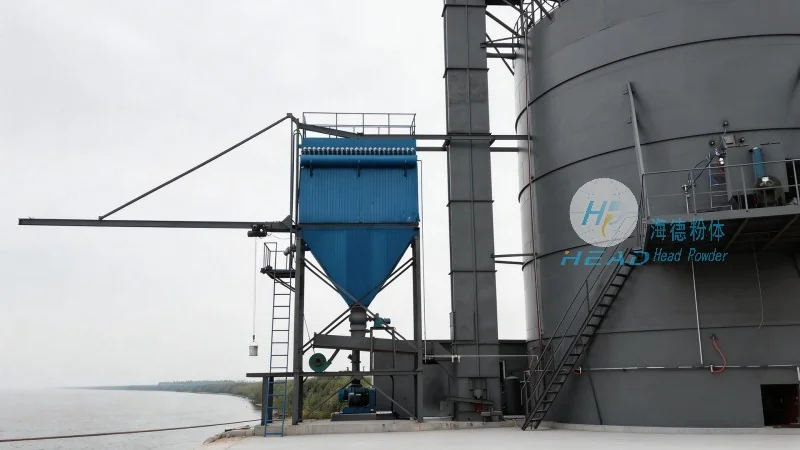
The tea material conveying system typically consists of several interconnected components designed to handle different stages of tea processing. These components include feed hoppers, conveyor belts or rollers, elevators, sorting mechanisms, and control systems. Each component plays a critical role in ensuring smooth material flow and minimizing downtime. For instance, feed hoppers are used to store and feed raw tea leaves into the conveyor system, while elevators lift materials to higher levels for further processing. The control system monitors and regulates the speed and direction of the conveyor, ensuring precise material handling. Shandong HeadPowder Engineering Co., Ltd. specializes in designing and manufacturing high-quality conveying systems that integrate these components seamlessly, optimizing performance for various tea processing applications.
Operation Process of the Tea Material Conveying System
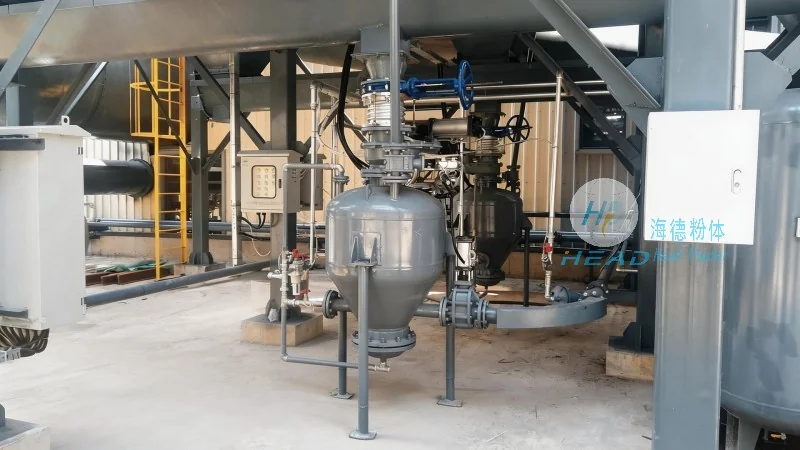
The operation process of a tea material conveying system involves several sequential steps that ensure the continuous and efficient movement of tea materials. The process begins with the loading of raw tea leaves into the feed hopper. The hopper then releases the leaves into the conveyor belt or rollers, which transport them to the next processing stage. Depending on the system design, the conveyor may include sorting mechanisms to separate different types of tea leaves or remove impurities. The elevated sections of the conveyor lift the materials to higher levels, where they are processed further, such as in drying or packaging units. The control system continuously monitors the flow rate and adjusts the speed and direction of the conveyor as needed to maintain a steady production rate. At the end of the conveyor line, the processed tea products are collected in collection bins or packaging areas. This systematic approach ensures that each step of the tea processing is carried out efficiently, reducing manual intervention and improving overall productivity. The expertise of HeadPowder in system integration allows for customized solutions that meet the specific requirements of different tea processing facilities, enhancing operational efficiency and product quality.
Working Principles of the Conveying Mechanisms
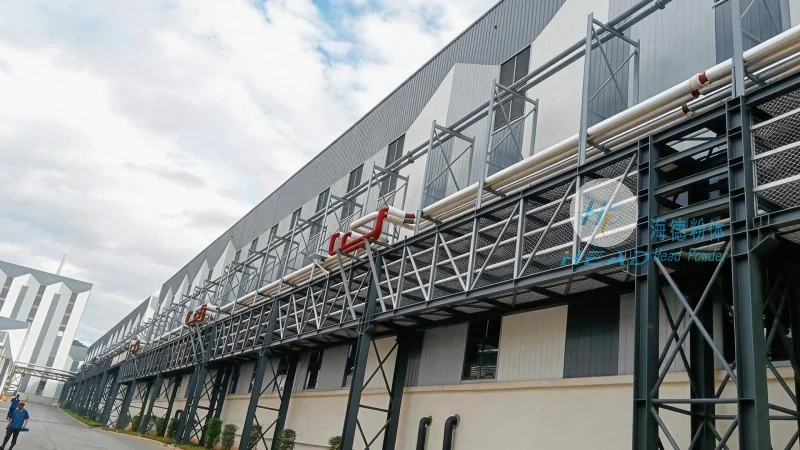
The working principles of tea material conveying systems are based on mechanical and hydraulic systems that facilitate the movement of materials. Conveyor belts, for example, use friction to move materials along a flat surface, while roller conveyors rely on the rolling motion of rollers to transport items. Elevators, on the other hand, use a combination of gravity and mechanical power to lift materials vertically. The control system uses sensors and feedback mechanisms to adjust the speed and direction of the conveying mechanisms, ensuring precise material handling. For instance, in a belt conveyor system, the motor drives the pulley, which in turn moves the belt, carrying the tea leaves forward. The speed of the belt can be adjusted to control the flow rate of materials. In roller conveyors, the rollers are driven by a motor, and the materials are placed on the rollers, which roll them along the conveyor path. The working principles of these mechanisms are designed to be robust and reliable, capable of handling the varying sizes and weights of tea leaves and products. Shandong HeadPowder Engineering Co., Ltd. employs advanced engineering principles to design conveying systems that are not only efficient but also durable, ensuring long-term performance and minimal maintenance requirements.
Benefits of Advanced Conveying Systems by HeadPowder
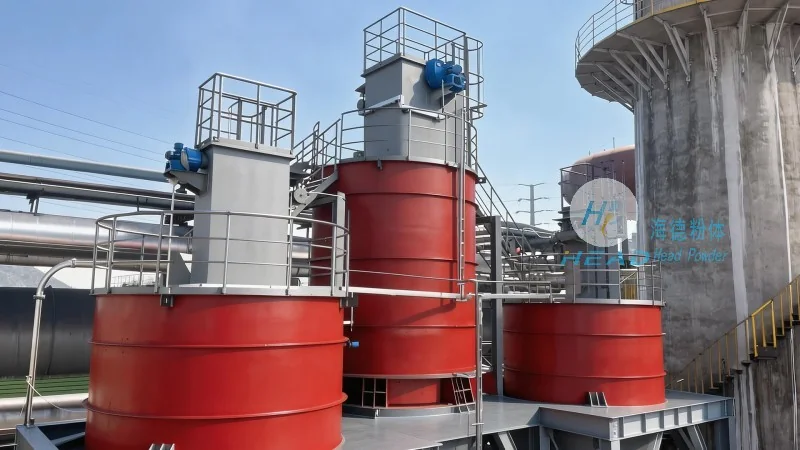
Implementing advanced tea material conveying systems from Shandong HeadPowder Engineering Co., Ltd. offers numerous benefits for tea processing facilities. These systems enhance production efficiency by ensuring continuous material flow, reducing downtime caused by manual handling or equipment failures. The use of automated control systems minimizes human error, leading to consistent product quality and reduced waste. Additionally, the robust design of HeadPowder's conveying systems ensures durability and low maintenance costs, providing long-term value for investment. The company's expertise in customizing systems to specific processing needs allows facilities to optimize their operations, adapting to changing production demands or new product lines. By integrating advanced technology into their conveying systems, HeadPowder helps tea processing facilities improve their competitiveness in the market, meeting the demands of modern consumers for high-quality, efficiently produced tea products. The company's commitment to quality and innovation ensures that their conveying systems are at the forefront of industry standards, providing reliable solutions for tea material handling.