

Operation Process and Working Principle of Coffee Material Conveying System
Shandong HeadPowder Engineering Co., Ltd. specializes in the design, manufacturing, and installation of advanced coffee material conveying systems. Based in Shandong, China, the company leverages decades of industry experience to deliver reliable and efficient solutions for coffee processing facilities. This article provides a detailed overview of the operation process and working principles of such systems, highlighting key components and their functions.
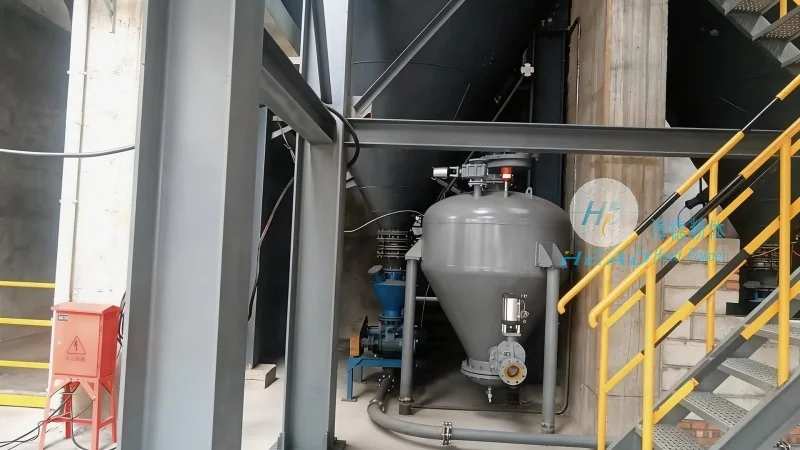
Overview of Coffee Material Conveying Systems
Coffee material conveying systems are essential for the efficient handling and transportation of raw coffee beans, ground coffee, and other related materials within processing plants. These systems are engineered to ensure minimal product degradation, maintain consistent flow rates, and enhance overall operational safety. The systems typically consist of a combination of components, including hoppers, conveyors, control panels, and material handling accessories, all integrated to form a seamless workflow from raw material intake to finished product storage.
Key Components and Their Roles
The core components of a coffee material conveying system include the following:
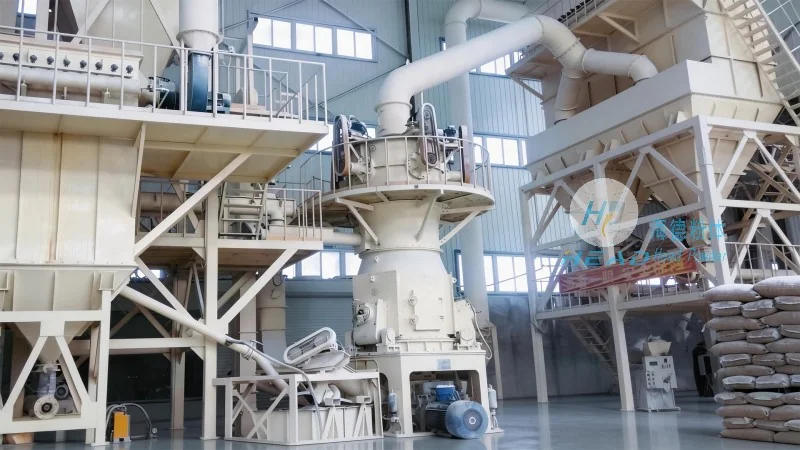
- Hoppers: These are large, container-like structures designed to store raw coffee beans or other bulk materials. They are equipped with inlet and outlet mechanisms to facilitate the controlled release of materials into the conveyor system. The hoppers are often constructed from durable materials, such as stainless steel, to withstand the abrasive nature of coffee beans and resist corrosion.
- Conveyors: Conveyors are the primary means of transporting materials through the system. Common types include belt conveyors, screw conveyors, and pneumatic conveyors. Belt conveyors use a continuous belt to move materials horizontally or at a slight incline, making them suitable for transporting large quantities of coffee beans. Screw conveyors, on the other hand, utilize a rotating screw to push materials forward, ideal for vertical or inclined transport. Pneumatic conveyors employ air pressure to move materials through a pipeline, offering flexibility in layout and the ability to handle fine powders or ground coffee.
- Control Panels: Control panels house the electrical and electronic systems that regulate the operation of the conveying system. They include sensors, motors, and control units that monitor flow rates, detect blockages, and adjust conveyor speeds as needed. Modern control panels often feature user-friendly interfaces and remote monitoring capabilities, allowing operators to manage the system efficiently and respond to any issues promptly.
- Material Handling Accessories: These accessories include components such as feeders, dividers, and chutes that help direct materials along the desired path. Feeders ensure a consistent flow of material into the conveyor, while dividers split the flow into separate streams for different processing stages. Chutes guide materials from one component to another, minimizing spillage and ensuring smooth transitions between sections of the system.
Operation Process of the Coffee Material Conveying System
The operation of a coffee material conveying system typically follows a sequential process, starting with the intake of raw materials and ending with the storage of processed products. The following steps outline the standard workflow:
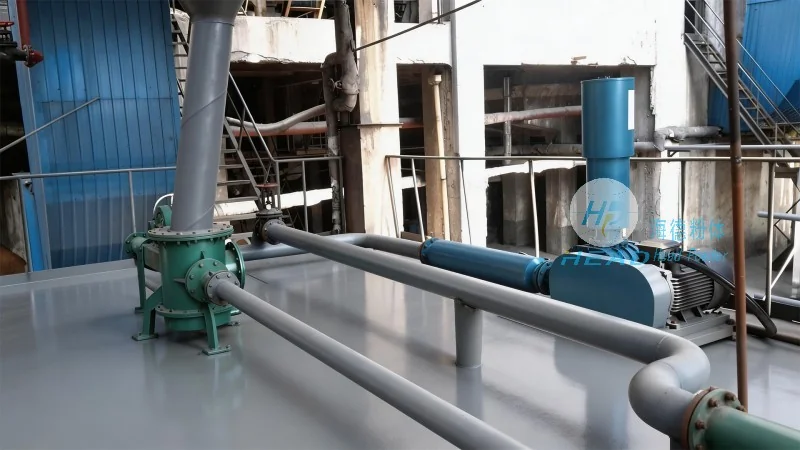
- Raw Material Intake: Coffee beans are loaded into the hoppers from trucks or storage silos. The hoppers are designed to accommodate bulk quantities, ensuring a steady supply of raw material for the processing line.
- Initial Processing: Once in the hopper, the coffee beans may undergo initial processing, such as cleaning or sorting. This step removes impurities and ensures that only high-quality beans proceed to the next stage.
- Conveyance to Grinding: The processed beans are then transferred to the conveyor system, which transports them to the grinding or roasting equipment. The conveyor may be adjusted to control the speed of material flow, ensuring that the grinding or roasting process operates at optimal efficiency.
- Processing and Packaging: After grinding or roasting, the coffee is conveyed to packaging machines. The system may include additional components, such as classifiers or separators, to sort the coffee by size or quality before packaging.
- Storage and Distribution: Finally, the packaged coffee is transferred to storage silos or shipping containers, ready for distribution to retail outlets or other customers.
Working Principles of the Conveying System
The working principles of a coffee material conveying system are based on the principles of mechanical and pneumatic transport. The system relies on the application of force to move materials from one location to another, with each component contributing to the overall efficiency and reliability of the process. The key working principles include:
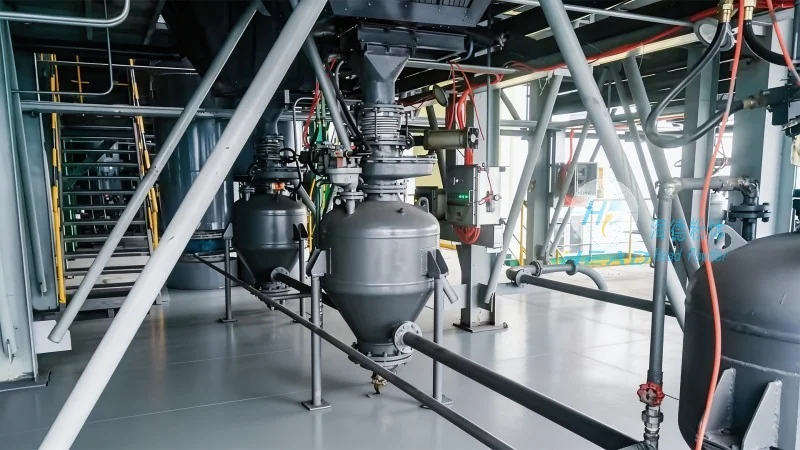
- Mechanical Conveyance: Mechanical conveyors, such as belt and screw conveyors, use physical contact between the material and the conveyor surface to move it. The force is applied through the rotation of the conveyor components, creating a continuous motion that propels the material forward. This method is effective for bulk materials like coffee beans and is relatively low-maintenance compared to pneumatic systems.
- Pneumatic Conveyance: Pneumatic conveyors utilize compressed air to transport materials through a pipeline. The air pressure creates a flow that carries the material, often in the form of a slurry or powder, from the source to the destination. This method is particularly useful for handling fine ground coffee or other powders, as it minimizes product contamination and allows for flexible system layouts.
- Control and Automation: Modern coffee material conveying systems incorporate advanced control systems that monitor and adjust the operation of each component in real-time. Sensors detect the level of material in hoppers, the speed of conveyors, and the presence of blockages, triggering automatic responses to maintain optimal performance. This automation ensures consistent product quality and reduces the risk of downtime due to human error.
- Material Handling Efficiency: The system is designed to minimize material handling time and energy consumption. By integrating multiple components into a single workflow, the system reduces the need for manual intervention and improves overall throughput. The use of durable materials and well-designed components ensures that the system operates reliably over long periods, with minimal maintenance requirements.
Benefits of Using Coffee Material Conveying Systems
Implementing a coffee material conveying system offers several benefits for coffee processing facilities. These include improved operational efficiency, reduced labor costs, enhanced product quality, and increased safety. The systems are designed to handle large volumes of materials with minimal human intervention, allowing processing plants to operate at higher speeds and meet growing market demands. Additionally, the use of advanced control systems ensures that the system operates within optimal parameters, reducing the risk of product spoilage or equipment damage.
Conclusion
Shandong HeadPowder Engineering Co., Ltd. provides comprehensive solutions for coffee material conveying systems, combining advanced technology with industry expertise to deliver reliable and efficient processing solutions. The operation process and working principles of these systems are designed to meet the specific needs of coffee processing facilities, ensuring that raw materials are handled with care and processed into high-quality products. By leveraging the expertise of HeadPowder, coffee processing plants can enhance their operational efficiency, reduce costs, and maintain a competitive edge in the market.