

Operation Process and Working Principle of Potassium Carbonate Fertilizer Material Conveying
Potassium carbonate, a vital component in modern agricultural fertilizers, requires efficient and reliable material conveying systems to ensure optimal processing and distribution. The operation of such systems involves a series of coordinated mechanisms designed to handle the bulk material with precision, minimizing loss and maximizing throughput. Understanding the operation process and working principles of these systems is crucial for operators and engineers in the fertilizer industry to maintain efficiency and safety.
Key Components of the Conveying System
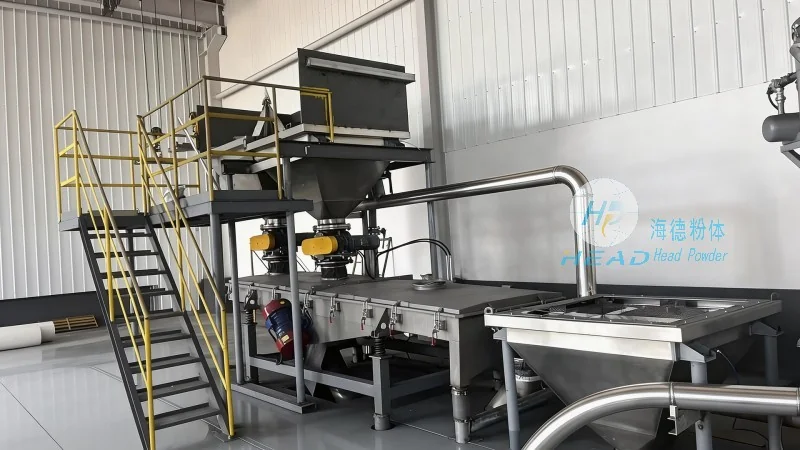
The core components of a typical potassium carbonate fertilizer material conveying system include feed hoppers, conveyor belts or screw conveyors, control panels, and discharge mechanisms. The feed hopper is responsible for storing and regulating the flow of the bulk material, ensuring a consistent feed rate to the conveyor. The conveyor itself, whether a belt conveyor or a screw conveyor, is designed to transport the material from the storage area to the processing or packaging units. Control panels equipped with sensors and variable frequency drives (VFDs) allow for real-time monitoring and adjustment of the conveyor speed and feed rate, adapting to changes in material volume or system requirements. Discharge mechanisms, such as rotary valves or gate valves, control the release of the material from the conveyor to the next stage of the process.
Operation Process of the Material Conveying System
The operation process of a potassium carbonate fertilizer material conveying system typically begins with the loading of the material into the feed hopper. The hopper is equipped with a level sensor that monitors the material height and signals the control panel when the hopper is full or needs refilling. Once the material reaches the desired level, the conveyor motor is activated, and the material is transported along the conveyor path. The speed of the conveyor is controlled by the VFD, which adjusts the motor speed based on the feed rate and system load. As the material moves through the conveyor, it passes through any necessary processing steps, such as screening or mixing, before being discharged at the end of the conveyor. The discharge mechanism then regulates the flow of the material into the next stage, such as a bagging or bulk loading operation. The entire process is monitored by the control panel, which provides real-time data on system performance, including conveyor speed, material flow rate, and any potential issues like blockages or overloads.
Working Principle of the Conveying Mechanism
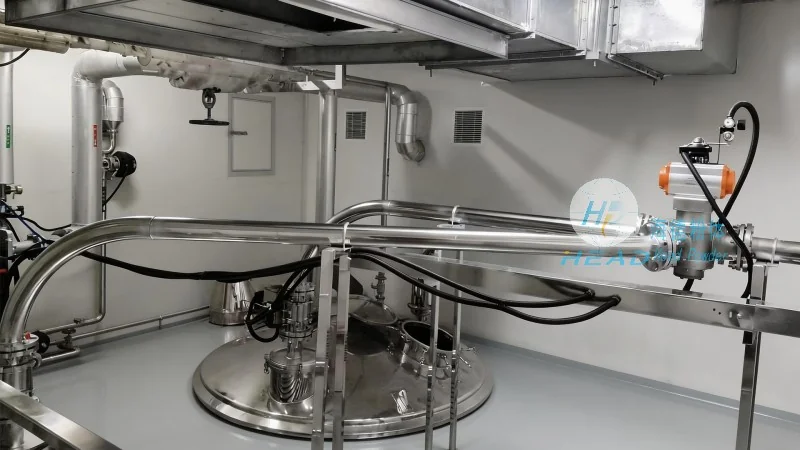
The working principle of the conveying mechanism in a potassium carbonate fertilizer system varies depending on the type of conveyor used. For belt conveyors, the material is placed on the moving belt and transported by the friction between the belt and the material surface. The belt is driven by a motor through a pulley system, and the speed of the belt is controlled by the VFD to adjust the conveying rate. Screw conveyors, on the other hand, use a rotating screw to push the material forward. The screw is enclosed in a tube, and as it rotates, the material is moved along the tube due to the helical design of the screw. The rotation speed of the screw determines the conveying capacity, and the pitch (distance between the screw threads) can be adjusted to handle different material characteristics, such as bulk density and particle size. Both systems rely on the principle of mechanical transport, where the material is moved by the action of the conveyor components, ensuring a continuous and controlled flow.
Role of HeadPowder Engineering in Fertilizer Conveying Solutions
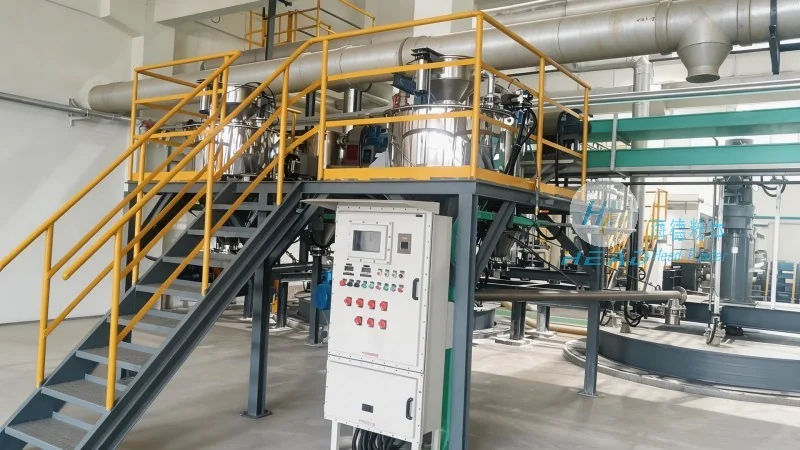
Shandong HeadPowder Engineering Co., Ltd., a leading manufacturer in the field of fertilizer processing equipment, specializes in designing and manufacturing high-quality material conveying systems for potassium carbonate and other bulk fertilizers. With years of experience in the industry, HeadPowder has developed advanced systems that incorporate the latest technology to enhance efficiency, reliability, and safety. The company's products are engineered to meet the specific requirements of fertilizer production facilities, ensuring optimal performance under various operating conditions. HeadPowder's commitment to quality and innovation has made them a trusted partner for many fertilizer manufacturers worldwide, providing tailored solutions that improve overall production efficiency and reduce operational costs.
Maintenance and Safety Considerations
Proper maintenance and adherence to safety protocols are essential for the long-term operation of potassium carbonate fertilizer material conveying systems. Regular inspection of conveyor components, such as belts, screws, and bearings, is necessary to prevent wear and tear, which can lead to system failures or material loss. Lubrication of moving parts is crucial to ensure smooth operation and extend the lifespan of the equipment. Additionally, safety features such as emergency stop buttons, material level alarms, and protective guards are integrated into the system to prevent accidents and ensure the safety of operators. Training personnel on the proper operation and maintenance of the conveying system is also vital to maintain optimal performance and safety standards.