

Operation Process and Working Principle of Magnesium Hydroxide Material Handling
For industrial applications that require the efficient and reliable transport of magnesium hydroxide, understanding the operational process and working principles of the material handling system is crucial. This article provides a detailed overview of how magnesium hydroxide material handling systems function, emphasizing the key components, operational steps, and technical aspects that ensure smooth and safe material transport.

Overview of Magnesium Hydroxide Material Handling Systems
Magnesium hydroxide, commonly used in various industrial applications such as flame retardants, pharmaceuticals, and water treatment, often requires specialized handling due to its fine particle size and potential dust generation. The material handling process for magnesium hydroxide typically involves several stages, from storage and feeding to conveying and discharge, all designed to maintain product integrity and operational efficiency.
Key Components and Their Roles
The magnesium hydroxide material handling system comprises several critical components, each playing a vital role in the overall operation. These include storage silos or hoppers, feeding mechanisms (like rotary valves or screw feeders), conveying equipment (such as pneumatic or mechanical conveyors), and control systems. Each component is engineered to handle the specific characteristics of magnesium hydroxide, ensuring minimal product degradation and optimal performance.
Operation Process: Step-by-Step Explanation
The operation of a magnesium hydroxide material handling system follows a systematic sequence of steps to ensure continuous and efficient material transport. The process begins with the storage of magnesium hydroxide in a silo or hopper, where the material is kept under controlled conditions to prevent caking or agglomeration. From the storage vessel, the material is fed into a feeder, which regulates the flow rate to match the conveying system's capacity.
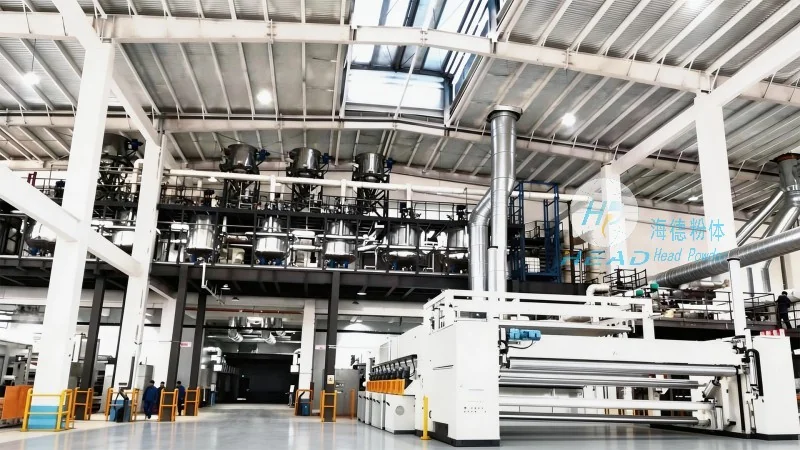
The feeder then transfers the magnesium hydroxide into a conveyor system. For fine powders like magnesium hydroxide, pneumatic conveying is often preferred due to its ability to handle high volumes with minimal pressure drop and reduced product degradation. The conveying line may include components like ducts, elbows, and filters to ensure the material is transported smoothly and without contamination. At the discharge end, the material is collected in a receiving hopper or directly fed into the next processing stage.
Working Principle: How the System Functions
The working principle of the magnesium hydroxide material handling system is based on the principles of fluidization and pneumatic transport. In pneumatic conveying, the material is suspended in a stream of air and transported through the system. The pressure differential between the inlet and outlet of the conveying line creates the necessary force to move the material. The system's control mechanisms, including sensors and valves, monitor and adjust the flow rate and pressure to maintain stable operation and prevent blockages or overloading.
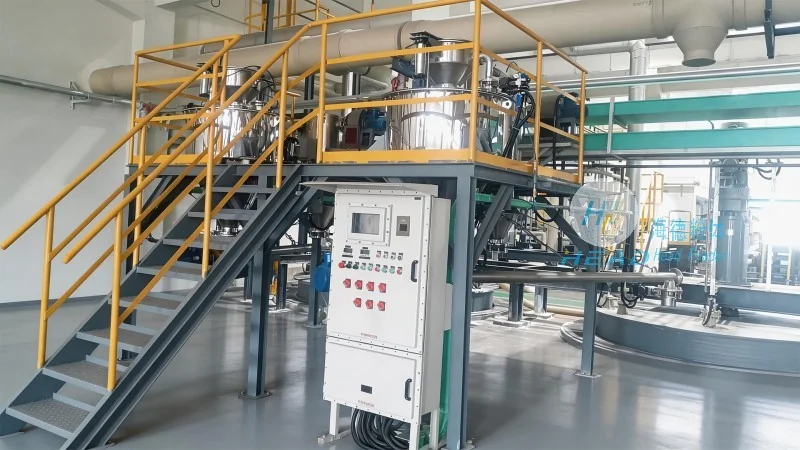
Feeding mechanisms, such as rotary valves or screw feeders, work by creating a controlled flow of material from the storage vessel to the conveyor. These devices are designed to handle fine powders without causing excessive wear or product degradation. The control system integrates all components, providing real-time monitoring and adjustments to ensure the system operates within optimal parameters. This integration ensures that the material handling process is efficient, reliable, and safe for both the product and the operators.
Company Information: Shandong HeadPowder Engineering Co., Ltd.
Shandong HeadPowder Engineering Co., Ltd., operating under the brand name headpowder, specializes in the design, manufacturing, and installation of material handling systems for various industrial applications. With a focus on providing customized solutions tailored to the specific needs of clients, the company leverages advanced engineering and technology to deliver high-quality, efficient, and reliable material handling equipment. HeadPowder's expertise in handling fine powders like magnesium hydroxide has established it as a trusted partner in the industry, offering comprehensive support from system design to maintenance and troubleshooting.
HeadPowder's facilities are located in Shandong, China, where the company maintains a strong commitment to quality and innovation. The company's team of experienced engineers and technicians ensures that each material handling system is designed and manufactured to meet the highest standards of performance and safety. By adhering to strict quality control processes and utilizing advanced manufacturing techniques, HeadPowder delivers systems that are durable, efficient, and capable of handling the unique challenges associated with magnesium hydroxide material handling.