

Operation Process and Working Principle of High-Temperature Fly Ash Powder Conveying System
High-temperature fly ash powder conveying systems are critical components in industrial applications, particularly in power plants and cement manufacturing facilities where the efficient transport of hot ash is essential for operational efficiency and environmental compliance. The system's design and operation are tailored to handle the unique challenges posed by high-temperature, abrasive, and potentially hazardous fly ash particles. Understanding the operation process and working principle is crucial for optimizing performance, ensuring safety, and maintaining system longevity.
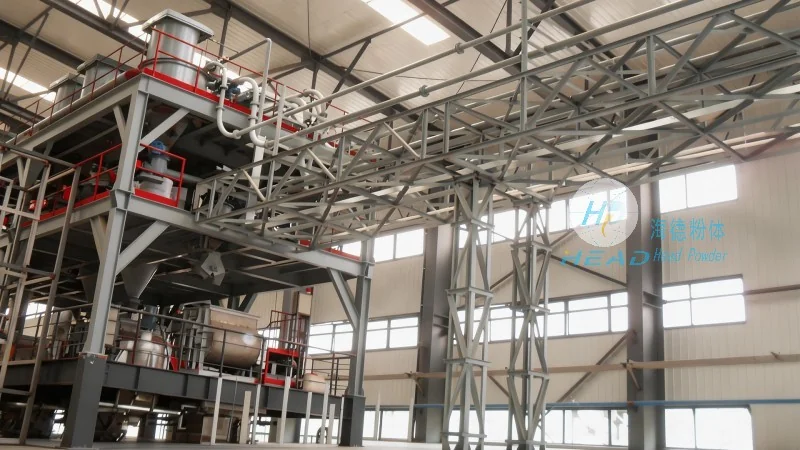
Key Components of the Conveying System
The high-temperature fly ash powder conveying system typically consists of several key components that work in tandem to achieve effective material transport. These components include the ash collection hopper, which collects the hot ash from the boiler or furnace; the feeding mechanism, such as a rotary valve or screw feeder, that controls the flow of ash into the conveying line; the conveying pipeline, often made of high-temperature-resistant materials like stainless steel or special alloys to withstand the extreme temperatures; and the drive system, which provides the necessary power to move the ash through the pipeline. Each component plays a vital role in the overall operation, and their proper integration is essential for reliable performance.
Operation Process: Step-by-Step Overview
The operation of the high-temperature fly ash powder conveying system follows a systematic process that ensures the safe and efficient transport of ash from the source to the disposal or utilization point. The process begins with the collection of hot ash in the hopper, where the ash accumulates after being removed from the boiler or furnace. The feeding mechanism then regulates the flow of ash into the conveying pipeline, controlling the quantity and rate of material being transported. The drive system, usually an electric motor coupled with a gearbox or direct drive, provides the rotational force to move the ash through the pipeline via a series of air or mechanical conveyors. As the ash travels through the pipeline, it is propelled by the flow of air or the mechanical action of the conveyor, maintaining the necessary velocity to prevent material settling or blockage. The system is designed to handle ash temperatures ranging from 200°C to 800°C, depending on the application, and the materials used in the construction of the components are selected to withstand these extreme conditions without degradation or failure.
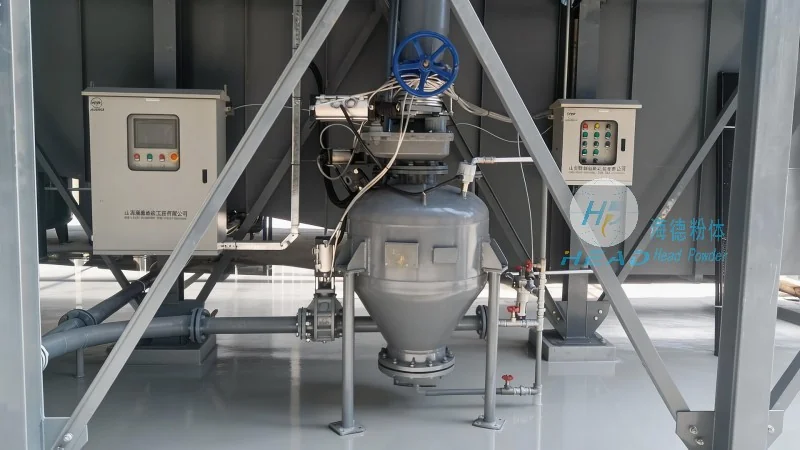
Working Principle: How the System Transfers High-Temperature Ash
The working principle of the high-temperature fly ash powder conveying system is based on the principles of pneumatic or mechanical transport, depending on the specific design. In pneumatic conveying systems, the ash is mixed with a stream of air or gas, which is then forced through the pipeline by the drive system. The air flow creates a negative pressure or positive pressure environment that propels the ash particles forward. The velocity of the air is carefully controlled to ensure that the ash particles remain suspended and do not settle, which could lead to blockages or system inefficiencies. In mechanical conveying systems, such as screw or belt conveyors, the ash is transported by the mechanical action of the conveyor, which moves the material along the pipeline. The mechanical design is optimized to handle the abrasive nature of the ash and maintain consistent flow rates. Both types of systems rely on the proper balance of air flow or mechanical force to achieve the desired conveying capacity and ensure the safe and efficient transport of high-temperature fly ash.
Advantages of Using a High-Temperature Fly Ash Powder Conveying System
Implementing a high-temperature fly ash powder conveying system offers several advantages for industrial facilities. Firstly, it improves operational efficiency by reducing the time and labor required for manual ash removal, which is often hazardous and inefficient. The automated system ensures consistent and reliable transport of ash, minimizing downtime and maintenance costs. Secondly, it enhances safety by eliminating the need for workers to handle hot ash directly, reducing the risk of burns and other occupational hazards. The enclosed system design also prevents the release of ash particles into the environment, improving air quality and compliance with environmental regulations. Thirdly, the system enables the utilization of fly ash as a valuable resource, such as in cement production or road construction, by transporting it to the processing or utilization site. This not only reduces waste but also provides economic benefits by recycling the ash. Finally, the system's design allows for scalability, making it suitable for both small and large-scale industrial applications, and can be customized to meet specific operational requirements.
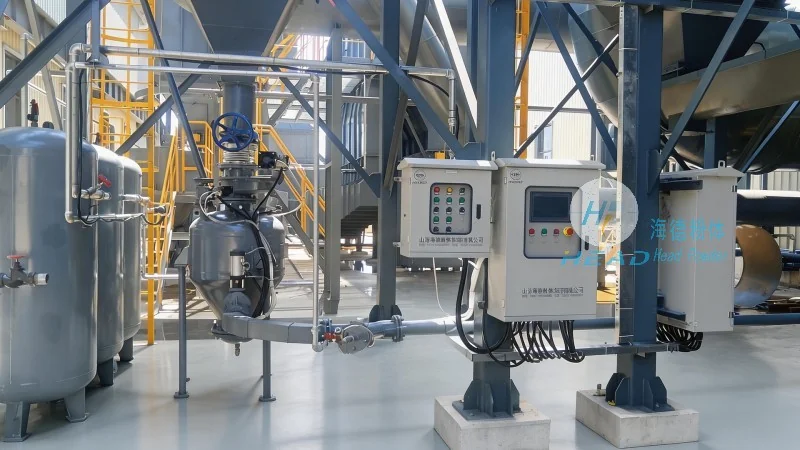
Maintenance and Safety Considerations
Proper maintenance and safety considerations are essential for the long-term performance and reliability of the high-temperature fly ash powder conveying system. Regular inspection and maintenance of the components, such as the hopper, feeding mechanism, and pipeline, are necessary to ensure they are free from blockages, wear, or damage. The drive system and control panels should be checked regularly for proper operation and to prevent electrical or mechanical failures. The system should be equipped with safety features, such as temperature sensors, pressure relief valves, and emergency stop buttons, to protect operators and the equipment from potential hazards. Additionally, the system should be designed with proper ventilation and dust control measures to prevent the accumulation of ash particles and reduce the risk of fire or explosion. Training of operators and maintenance personnel on the safe operation and maintenance of the system is also crucial to ensure compliance with safety regulations and to maximize the system's lifespan.
Conclusion: The Importance of Efficient High-Temperature Fly Ash Conveying
In conclusion, the high-temperature fly ash powder conveying system is a vital component in modern industrial facilities, providing an efficient and safe method for transporting hot ash. Understanding the operation process and working principle is essential for optimizing system performance and ensuring compliance with environmental and safety standards. The system's design, which includes key components like the ash hopper, feeding mechanism, conveying pipeline, and drive system, is tailored to handle the unique challenges of high-temperature, abrasive ash particles. By implementing a well-designed and properly maintained system, industrial facilities can improve operational efficiency, enhance safety, and utilize fly ash as a valuable resource. As the demand for sustainable and efficient industrial practices continues to grow, the high-temperature fly ash powder conveying system remains a critical technology for power plants and cement manufacturers, contributing to the reduction of waste and the promotion of environmental responsibility.