

Common Dry Powder Conveying Methods: An Introduction to Dry Powder Pneumatic Conveying Systems
For industries dealing with dry powders, selecting the right conveying method is crucial for efficiency, safety, and cost-effectiveness. Proper dry powder handling ensures minimal product loss, contamination, and operational disruptions. This article explores common dry powder conveying methods, with a focus on the advantages and applications of pneumatic conveying systems.
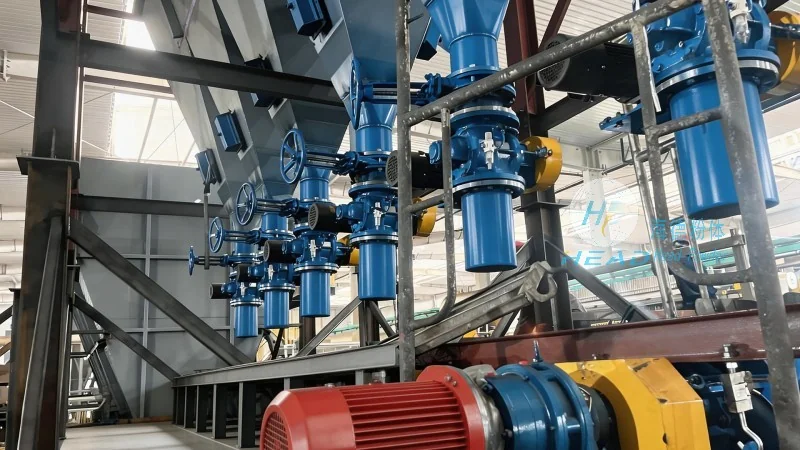
Understanding Dry Powder Conveying Systems
Dry powder conveying involves transporting particulate materials from one location to another without the use of mechanical components that directly contact the material. The primary goal is to move powders in a controlled manner, maintaining product integrity and preventing issues like caking or segregation. Several methods are available, each with distinct characteristics suited to different operational requirements.
Common Dry Powder Conveying Methods
1. **Mechanical Conveyors**: These systems use mechanical components such as belts, screws, or buckets to move powders. Mechanical conveyors are suitable for bulk materials and can handle high capacities. However, they may cause product degradation due to friction and are less effective for fine powders prone to clogging.
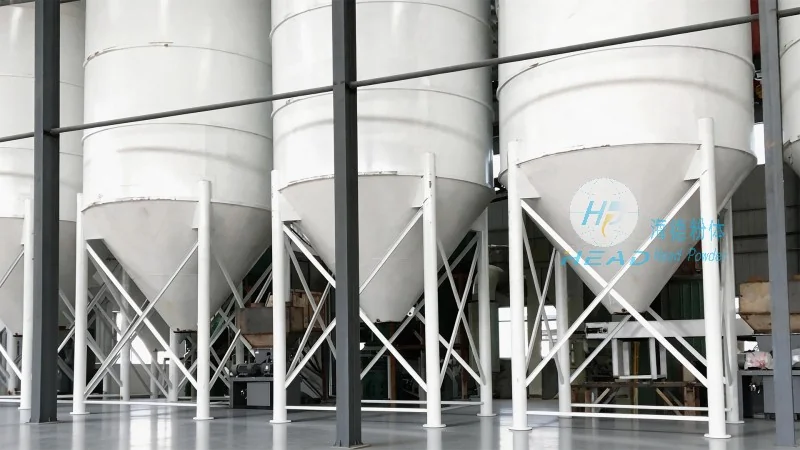
2. **Pneumatic Conveying Systems**: This method uses air or other gases to transport dry powders through pipelines. Pneumatic systems are ideal for fine powders, sensitive materials, and applications requiring enclosed transport to prevent contamination. They offer flexibility in layout and can handle varying material properties.
3. **Hybrid Systems**: Some facilities combine mechanical and pneumatic components to leverage the strengths of both methods. For example, a screw conveyor might feed a pneumatic system, ensuring efficient material transfer while maintaining product quality.
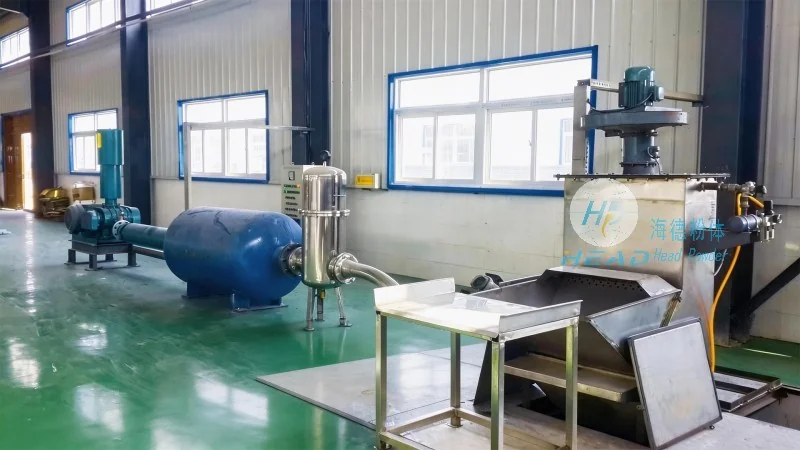
Advantages of Pneumatic Conveying for Dry Powders
Pneumatic conveying systems, particularly those designed for dry powders, offer several advantages over traditional methods. These include:
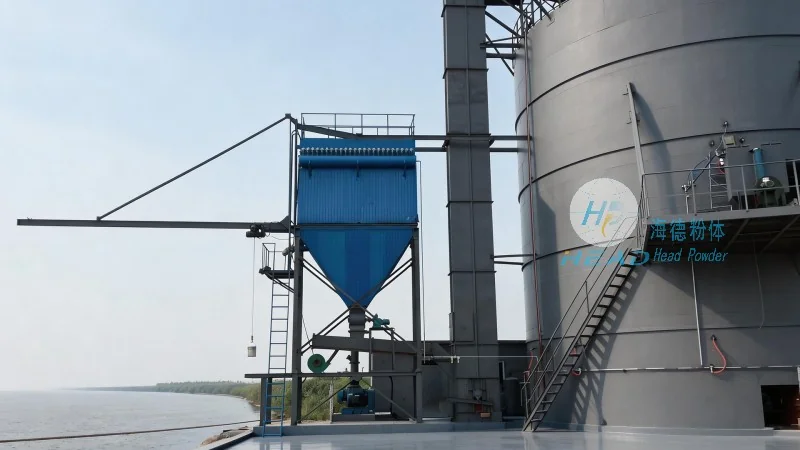
- Enclosed Transport: Prevents dust emissions and contamination, ensuring compliance with environmental regulations and maintaining product purity.
- Flexibility: Ability to route materials through complex layouts, including vertical and horizontal transport, without the need for extensive infrastructure changes.
- Low Maintenance: Fewer moving parts compared to mechanical conveyors, reducing downtime and maintenance costs.
- Energy Efficiency: Modern pneumatic systems can be optimized for energy use, making them cost-effective in the long run.
Applications of Dry Powder Pneumatic Conveying
Dry powder pneumatic conveying is widely used across various industries, including:
- Pharmaceuticals: Transporting active pharmaceutical ingredients (APIs) and excipients with strict purity requirements.
- Food and Beverage: Handling powders like sugar, flour, and dairy products, where hygiene and product integrity are paramount.
- Chemical Manufacturing: Conveying fine chemicals and powders that are sensitive to moisture or contamination.
- Mineral Processing: Moving raw materials and finished products in mining operations, where durability and reliability are critical.
Key Considerations for Selecting a Dry Powder Conveying System
When choosing a dry powder conveying system, several factors must be considered to ensure optimal performance: