

Principle and Working Scene Characteristics of Activated Carbon Material Pneumatic Conveying Systems
HeadPowder, a leading engineering firm based in Shandong, China, specializes in the design and implementation of advanced pneumatic conveying systems tailored for activated carbon material handling. This article delves into the fundamental principles behind such systems and highlights the key characteristics of their operational environments.
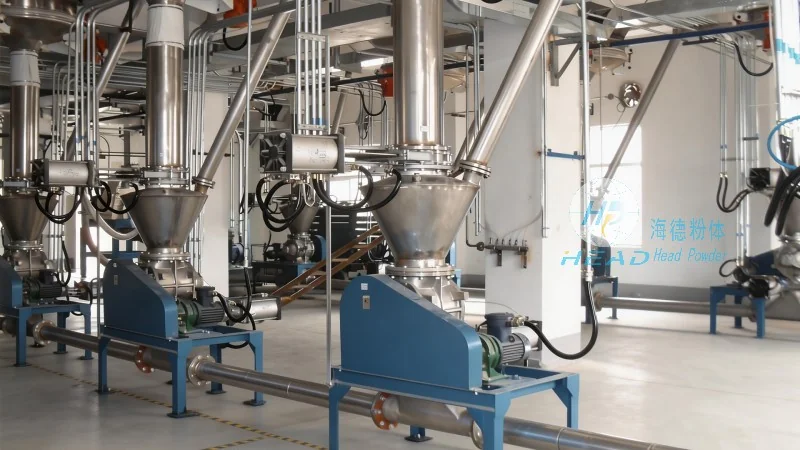
Introduction to Pneumatic Conveying Systems for Activated Carbon
Pneumatic conveying systems are essential for the efficient transport of bulk materials like activated carbon, which are often used in industrial processes for filtration, adsorption, and purification. These systems utilize a combination of air flow and pressure to move the material from one location to another, eliminating the need for mechanical components like belts or buckets in traditional conveying methods. The core of such a system lies in its ability to handle fine, dusty, or abrasive materials without causing degradation or contamination, which is critical for activated carbon applications.
The Fundamental Principle of Pneumatic Conveying
The principle of pneumatic conveying for activated carbon involves creating a flow of air through a pipeline that entrains the carbon particles. This is typically achieved by using a positive displacement blower or a rotary lobe pump to generate sufficient air pressure and volume. The air flow velocity is carefully controlled to ensure that the carbon particles are suspended and transported without settling or causing blockages. The system operates on the principle of fluidization, where the air flow creates a "fluid" environment that allows the particles to move freely, similar to how sand moves in a fluidized bed. This method ensures a consistent and reliable flow of material, even over long distances or through complex piping networks.
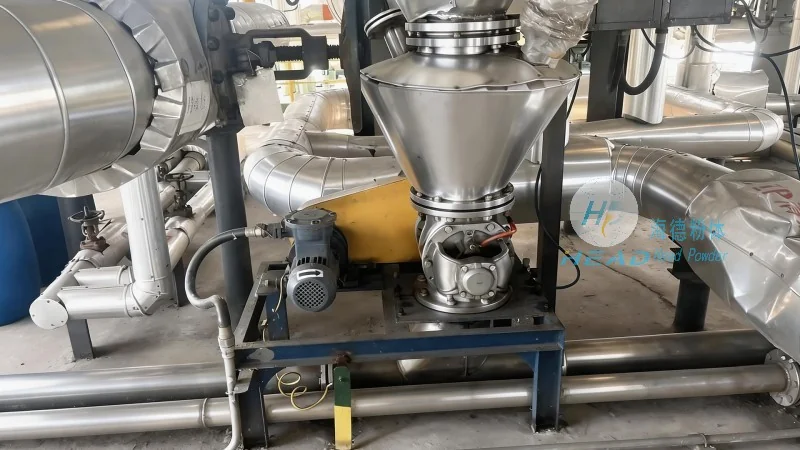
Key Components of an Activated Carbon Pneumatic Conveying System
Effective operation of an activated carbon pneumatic conveying system relies on several critical components. These include the air source (blower or compressor), the conveying line (usually made of stainless steel to prevent corrosion from the carbon particles), feeders (such as rotary valves or screw feeders) to introduce the carbon into the system, and control valves to regulate the air flow and pressure. Additionally, the system may incorporate features like cyclone separators or filters to separate the carbon particles from the air stream, ensuring that the material is delivered to the destination without loss or contamination. The design of these components is crucial for maintaining the quality of the activated carbon and preventing system downtime due to blockages or wear.
Working Scene Characteristics and Applications
The operational environment of an activated carbon pneumatic conveying system is characterized by several factors that influence its design and performance. First, the material itself—activated carbon—is often fine and dusty, which requires the system to be equipped with dust collection and filtration systems to comply with environmental regulations and maintain air quality. Second, the system may be used in various industrial settings, such as chemical plants, water treatment facilities, or pharmaceutical manufacturing sites, where the carbon is used for adsorption processes. In these environments, the system must be able to handle high volumes of material while maintaining low maintenance costs and ensuring product purity. For example, in a water treatment plant, the system may transport activated carbon to filters where it is used to remove contaminants from water, requiring a system that can deliver the carbon precisely and without introducing additional pollutants.
Advantages of Pneumatic Conveying for Activated Carbon
Compared to traditional conveying methods, pneumatic conveying offers several advantages for activated carbon handling. These include the ability to transport materials over long distances without the need for intermediate storage or transfer points, which reduces the risk of contamination and improves process efficiency. The system is also more flexible, as it can be easily reconfigured to handle different types of activated carbon or to adapt to changes in production requirements. Furthermore, the enclosed nature of the system prevents dust from escaping into the environment, which is a significant benefit in industrial settings where air quality is a concern. The use of stainless steel components also ensures that the system is resistant to corrosion from the acidic or basic properties of some activated carbon types, extending its operational life.
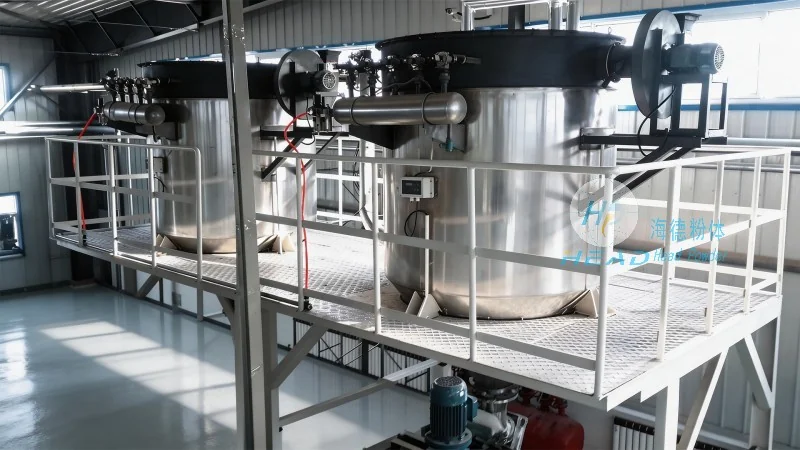
Challenges and Solutions in Activated Carbon Pneumatic Conveying
Despite its advantages, pneumatic conveying of activated carbon presents some challenges that must be addressed. One of the primary challenges is the potential for blockages in the conveying line due to the fine particles settling or clumping together. To mitigate this, the system may include features like pulse jets or air knives to keep the line clear, or use a combination of air and vacuum to maintain a consistent flow. Another challenge is the wear and tear on the system components, particularly the blower and the conveying line, due to the abrasive nature of the carbon particles. This can be addressed by using high-quality materials, such as stainless steel or special alloys, and regular maintenance to ensure the system operates at optimal conditions. Additionally, the system must be designed to handle variations in material moisture content, as high moisture levels can cause the carbon to clump and reduce the conveying efficiency.
Conclusion
In conclusion, the principle of pneumatic conveying, combined with specialized design considerations for activated carbon, provides an efficient and reliable method for handling this critical material. The systems developed by HeadPowder, based in Shandong, China, leverage these principles to deliver high-performance solutions that meet the demands of various industrial applications. By understanding the fundamental principles and operational characteristics of these systems, industries can optimize their material handling processes, reduce costs, and enhance product quality.