

Principle and Working Scene Characteristics of Monosodium Glutamate Material Pneumatic Conveying Sys
Monosodium glutamate (MSG), a widely used flavor enhancer in the food industry, requires efficient and reliable material handling solutions for its production and processing. The pneumatic conveying system for MSG materials is a critical technology that ensures safe, hygienic, and high-performance transportation of this sensitive chemical. This article explores the fundamental principles of such systems and highlights key working scene characteristics relevant to the application of monosodium glutamate material pneumatic conveying.
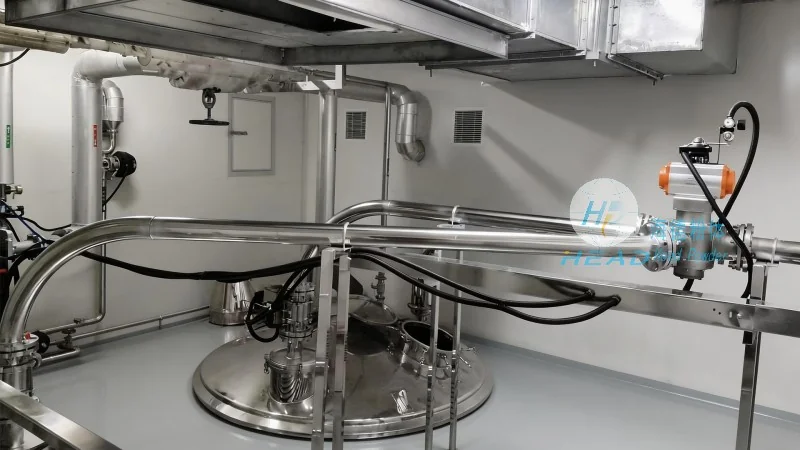
Introduction to Monosodium Glutamate Pneumatic Conveying Systems
Monosodium glutamate, commonly known as MSG, is an essential ingredient in the food industry, responsible for enhancing flavor in various culinary applications. The material handling of MSG involves precise control to maintain product quality and safety. Pneumatic conveying systems offer a non-contact, hygienic method for transporting MSG, which is crucial given its sensitivity to moisture and contamination. These systems utilize air or other gases to move the material through a pipeline network, ensuring minimal product degradation and maintaining strict hygiene standards.
Core Principles of Pneumatic Conveying for MSG Materials
The fundamental principle of a pneumatic conveying system for monosodium glutamate is the use of differential pressure to transport the material. The system typically consists of a feeding hopper, a conveyor line, and a receiver. The process begins with the material being fed into the system, where it is mixed with air or a carrier gas. The air stream creates a flow that propels the MSG particles through the pipeline. The key components include a blower or compressor to generate the necessary air pressure, a filter to remove any particulate matter, and a control system to regulate the flow rate and pressure. The design of the system must consider the specific properties of MSG, such as its particle size, density, and moisture content, to ensure optimal performance.
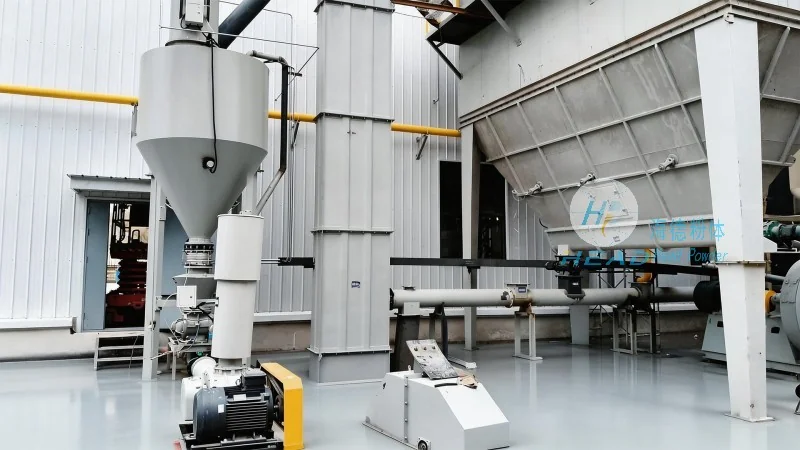
Working Scene Characteristics of MSG Pneumatic Conveying Systems
The working scene characteristics of monosodium glutamate pneumatic conveying systems are tailored to the specific demands of the food processing industry. These systems are designed to operate in environments that require strict adherence to hygiene and safety standards. The equipment is typically constructed from stainless steel to prevent corrosion and maintain product purity. The conveying lines are often equipped with sanitary fittings and valves to ensure easy cleaning and maintenance. In addition, the system's control mechanisms are integrated with sensors to monitor pressure, flow, and temperature, providing real-time feedback for operational adjustments. The working scene also includes considerations for space optimization, as these systems are often installed in compact areas within production facilities. The efficiency of the system is critical, as it directly impacts production throughput and operational costs.
Application Scenarios and Operational Efficiency
Monosodium glutamate pneumatic conveying systems are applied in various stages of the production process, from raw material handling to finished product packaging. In the raw material stage, the system efficiently transports MSG from storage silos to processing units. During the production process, it moves the material between different processing steps, such as mixing, drying, and packaging. The system's ability to handle fine particles without clogging is particularly important in the MSG industry, where particle size can significantly affect product quality. The operational efficiency of the system is enhanced by its ability to maintain consistent flow rates and pressure, reducing downtime and improving overall productivity. The working scene also includes the integration of the system with other production equipment, such as mixers and packaging machines, to create a seamless production line.
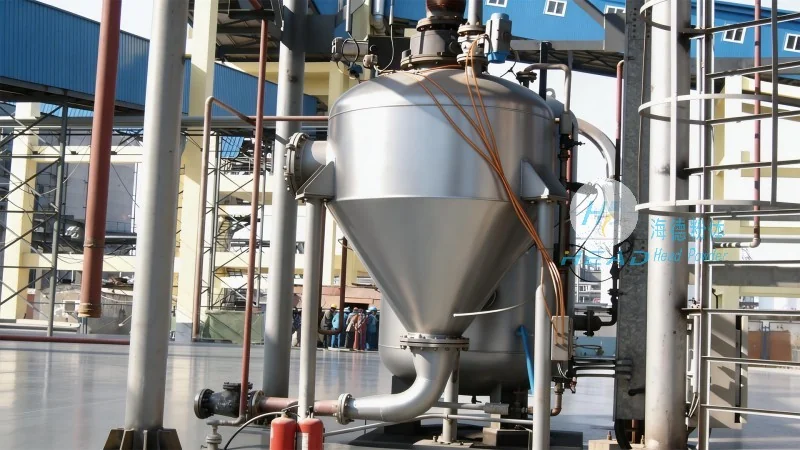
Hygiene and Safety Considerations in MSG Pneumatic Conveying
Given the food-grade nature of monosodium glutamate, hygiene and safety are paramount in the design and operation of pneumatic conveying systems. The system components are constructed from materials that are resistant to corrosion and easy to clean, such as stainless steel. The conveying lines are designed with smooth surfaces and minimal dead zones to prevent product accumulation and bacterial growth. The system includes filtration and cleaning mechanisms to maintain air quality and prevent contamination. Additionally, the control system is equipped with safety features to prevent overpressure and ensure safe operation. The working scene emphasizes regular maintenance and cleaning schedules to maintain the system's performance and compliance with food safety regulations. These measures ensure that the MSG material is handled in a manner that meets the highest standards of hygiene and safety.
Conclusion and Industry Impact
Monosodium glutamate pneumatic conveying systems play a vital role in the efficient and safe handling of this essential food ingredient. The principles of pneumatic conveying, combined with tailored working scene characteristics, ensure optimal performance in the food processing industry. The systems' ability to maintain hygiene, control product quality, and enhance operational efficiency makes them indispensable in the production of monosodium glutamate. As the demand for MSG continues to grow, the importance of reliable material handling solutions like pneumatic conveying systems will only increase. The integration of advanced control technologies and hygienic design principles ensures that these systems remain at the forefront of industrial material handling, supporting the continued growth of the food industry.