

Principle and Working Scene Characteristics of Positive Electrode Material Pneumatic Conveying Syste
Positive electrode materials are critical components in lithium-ion battery manufacturing, and efficient handling of these powders is essential for maintaining production efficiency and product quality. Pneumatic conveying systems have become a key technology for transporting positive electrode materials in battery production facilities. This article examines the fundamental principles of such systems and highlights the specific characteristics of their application scenarios.
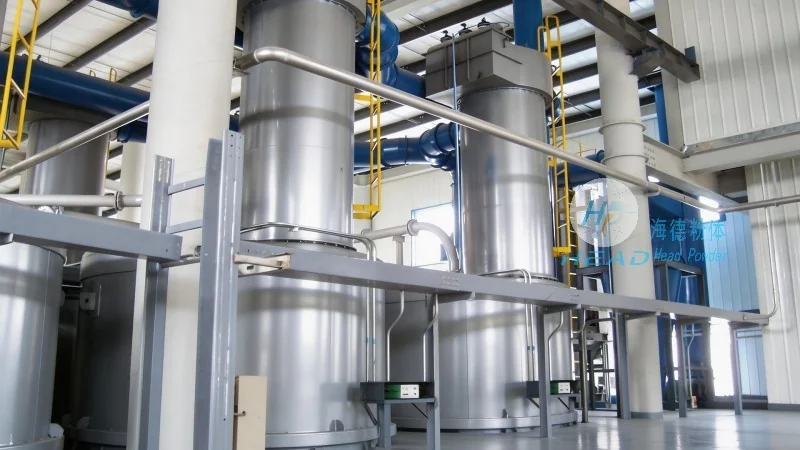
Introduction to Pneumatic Conveying for Positive Electrode Materials
HeadPowder, a leading provider of material handling solutions, specializes in designing and implementing pneumatic conveying systems tailored to the unique requirements of positive electrode material processing. The company, headquartered in Shandong, China, leverages extensive industry experience to deliver reliable and efficient systems that meet the stringent demands of modern battery production lines.
The Fundamental Principle of Pneumatic Conveying
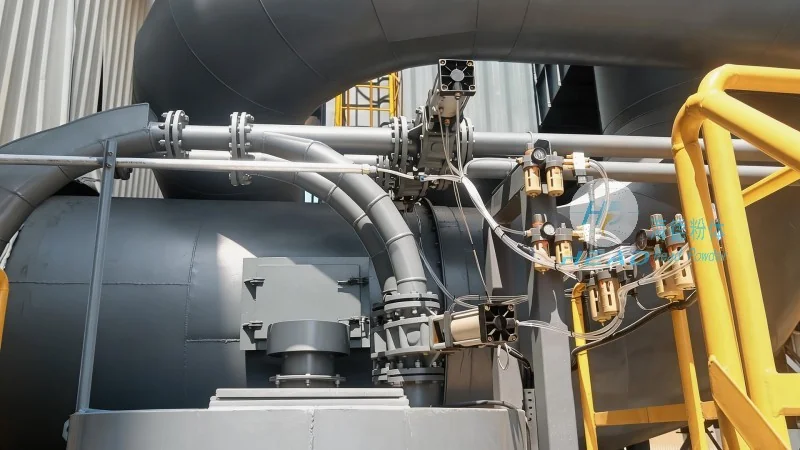
Pneumatic conveying systems utilize air or gas to transport bulk materials, such as positive electrode powders, through a network of pipes. There are two primary operational modes: suction (vacuum) conveying and pressure conveying. Suction conveying creates a vacuum at the material source to draw the powder into the system, ideal for handling dust-prone or gently handled materials. Pressure conveying forces air or gas into the material to push it through the system, often used for longer distances or with less dusty materials.
Handling Unique Challenges of Positive Electrode Materials
Positive electrode powders, including lithium cobalt oxide (LCO), lithium nickel manganese cobalt oxide (NMC), and lithium iron phosphate (LFP), present specific handling challenges. These materials are typically fine, abrasive, and hygroscopic, making them prone to agglomeration and dust formation. Pneumatic conveying systems address these challenges through specialized components like rotary valves, cyclone separators, and dust collectors, ensuring material integrity and maintaining particle size distribution and chemical properties.
Key Working Scene Characteristics
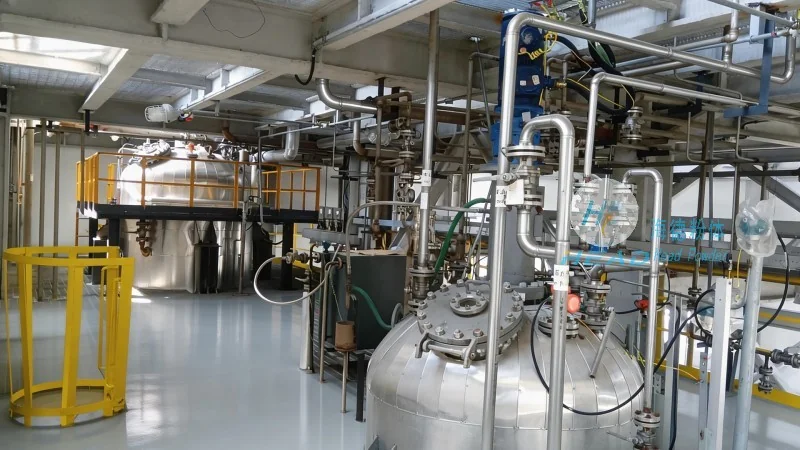
The application of pneumatic conveying systems in positive electrode material production is defined by several distinct features that enhance operational efficiency and safety. A primary characteristic is seamless integration with other production equipment, such as mixers, extruders, and coating machines, enabling smooth material transfer between process steps and minimizing downtime. Another key aspect is the system's adaptability to varying flow rates and particle sizes, responding to the dynamic needs of the production line.
Advantages in Production Environments
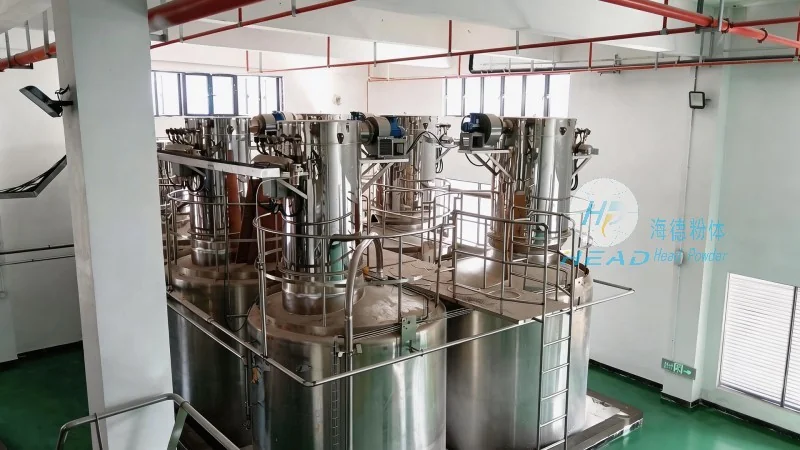
Implementing pneumatic conveying systems for positive electrode materials offers advantages over traditional methods like bucket elevators or belt conveyors. These systems provide a dust-free environment, reducing inhalation hazards and improving workplace safety. They also offer flexible system layouts for compact, space-efficient installations, valuable in modern battery facilities with limited floor space. The systems enhance energy efficiency by optimizing air flow and reducing mechanical wear.
Conclusion
HeadPowder's pneumatic conveying systems for positive electrode materials exemplify advanced technology and practical engineering solutions. By understanding pneumatic conveying principles and tailoring systems to positive electrode powder characteristics, the company ensures reliable, efficient, and safe material handling in battery production processes. The working scene characteristics—integration with production lines and adaptability to material conditions—make these systems indispensable tools for modern battery manufacturers in Shandong and beyond.