

Principle and Working Scene Characteristics of Pneumatic Conveying for Straw Powder Materials
Straw powder, a byproduct of agricultural activities, presents unique challenges in material handling due to its light weight, fine particle size, and potential for dust generation. Pneumatic conveying technology offers an efficient solution for transporting these materials, ensuring safety, efficiency, and minimal environmental impact. This article explores the fundamental principles of pneumatic conveying as applied to straw powder, alongside the key characteristics of its operational scenarios.
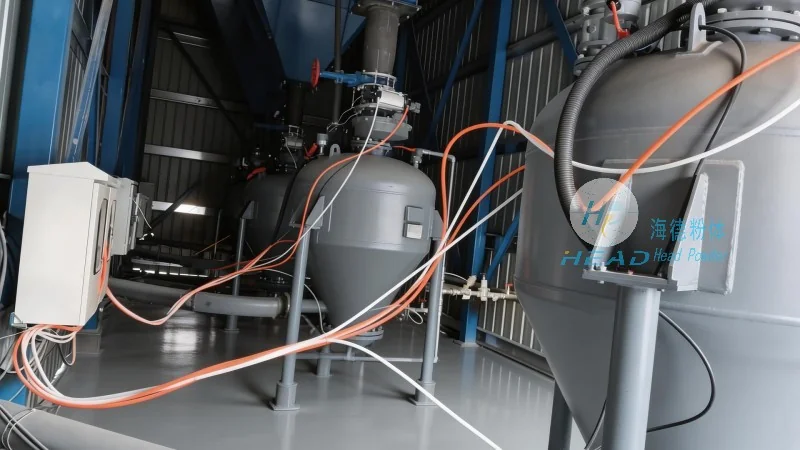
About HeadPowder: Expert in Pneumatic Conveying Solutions
HeadPowder, operating under the full name Shandong HeadPowder Engineering Co., Ltd., is a leading provider of advanced pneumatic conveying systems tailored for agricultural and industrial applications. With a strong presence in China, particularly in Shandong province, the company leverages decades of experience to deliver customized solutions that meet the specific demands of straw powder handling. HeadPowder’s commitment to innovation and quality ensures that their systems are designed to optimize material flow, reduce downtime, and enhance overall operational efficiency.
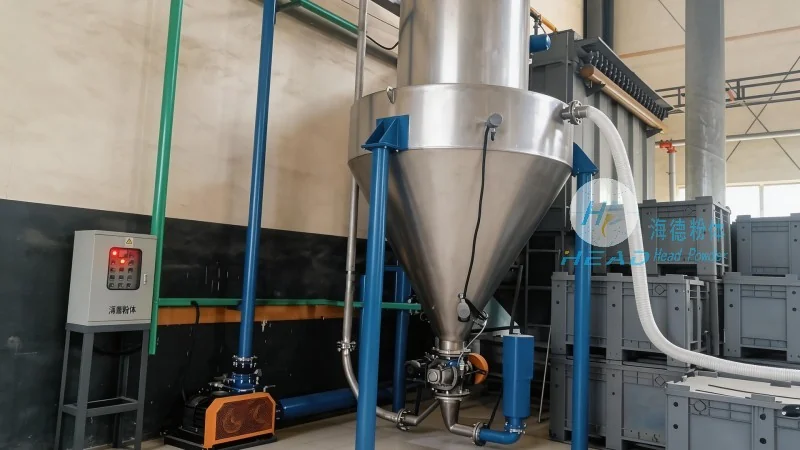
The Principle of Pneumatic Conveying for Straw Powder
Pneumatic conveying operates by using a stream of air to transport solid particles through a pipeline. In the case of straw powder, the system typically employs a positive pressure or negative pressure (vacuum) method. The positive pressure system, also known as pressure conveying, involves blowing air through the material, while the negative pressure system, or vacuum conveying, draws the material into the pipeline using a vacuum pump. The choice between these methods depends on factors such as the distance of transport, the volume of material, and the need for dust control. For straw powder, which is light and prone to dispersion, positive pressure systems are often preferred as they provide better control over particle flow and minimize the risk of clogging. The process begins with the material being fed into a hopper, where it is then mixed with air in a conveyor duct. The air velocity is carefully controlled to ensure that the particles are carried along without settling or causing blockages. This controlled air flow is crucial for maintaining the integrity of the straw powder, preventing agglomeration and ensuring consistent transport.
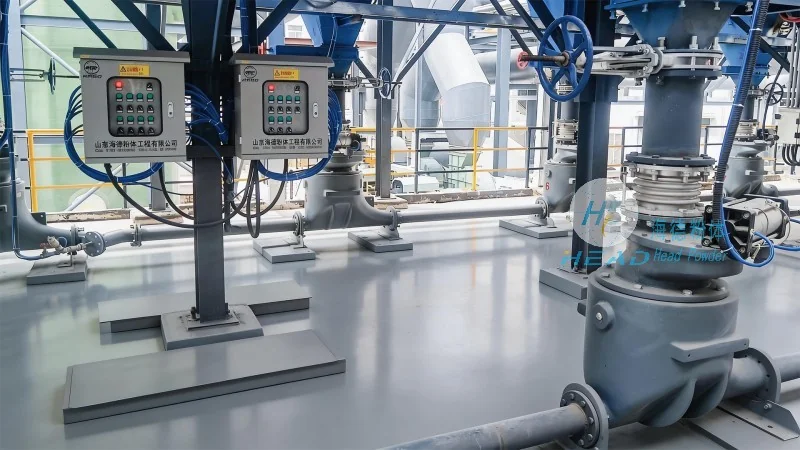
Key Characteristics of Working Scenarios for Straw Powder Pneumatic Conveying
The operational scenarios for straw powder pneumatic conveying vary based on the application and the scale of the operation. For example, in agricultural settings, such as on-farm storage and processing facilities, the system may need to handle large volumes of straw powder over short distances, often integrated with other processing equipment like pelletizers or granulators. In industrial applications, like biomass power plants or biofuel production facilities, the conveying system may need to transport straw powder over longer distances, possibly across multiple stages of processing. The characteristics of these scenarios include: 1. **Material Handling Efficiency**: The ability to transport straw powder quickly and reliably, minimizing the time and labor required for material movement. 2. **Dust Control**: Effective containment of dust to prevent environmental contamination and ensure worker safety. 3. **System Flexibility**: The capacity to adapt to varying material volumes and flow rates, accommodating changes in production schedules. 4. **Energy Efficiency**: Optimized air usage to reduce operational costs while maintaining performance. 5. **Maintenance and Durability**: Systems designed to withstand the abrasive nature of straw powder, ensuring long-term reliability and low maintenance requirements. These characteristics are critical for ensuring that the pneumatic conveying system operates effectively and sustainably in diverse working environments.
Application Examples and Operational Advantages
HeadPowder’s pneumatic conveying systems for straw powder have been successfully implemented in various real-world scenarios. For instance, in a large-scale biofuel plant, the company’s system efficiently transported straw powder from storage silos to the processing unit, achieving a 20% reduction in material handling time compared to traditional methods. Another application involved an agricultural processing facility where the system integrated seamlessly with a pelletizing machine, ensuring a consistent feed rate and improving product quality. The operational advantages of these systems include reduced labor costs, lower energy consumption, and enhanced safety due to enclosed material transport. Additionally, the systems are designed with easy access points for maintenance, allowing for quick repairs and minimizing downtime. HeadPowder’s expertise in customizing solutions ensures that each system is tailored to the specific needs of the client, whether it’s a small-scale on-farm operation or a large industrial facility.

Conclusion: The Role of Pneumatic Conveying in Straw Powder Management
Pneumatic conveying represents a sophisticated and effective method for handling straw powder, addressing the unique challenges posed by this material. By leveraging the principles of air flow and particle transport, these systems provide a reliable solution for agricultural and industrial applications. HeadPowder, with its strong foundation in Shandong, China, continues to lead the way in developing advanced pneumatic conveying technologies that meet the evolving needs of straw powder management. The combination of efficient operation, environmental responsibility, and operational flexibility makes pneumatic conveying an ideal choice for modern straw powder handling, supporting sustainable agricultural practices and industrial processes alike.