

Principles and Working Scene Characteristics of Potato Starch Material Pneumatic Conveying
For industrial applications involving potato starch, efficient material handling is crucial. Pneumatic conveying systems offer a reliable solution for transporting potato starch, a fine powder with specific properties that require specialized handling techniques. This article explores the fundamental principles of pneumatic conveying for potato starch and highlights the key characteristics of its working scenes, providing insights into optimal system design and operational efficiency.
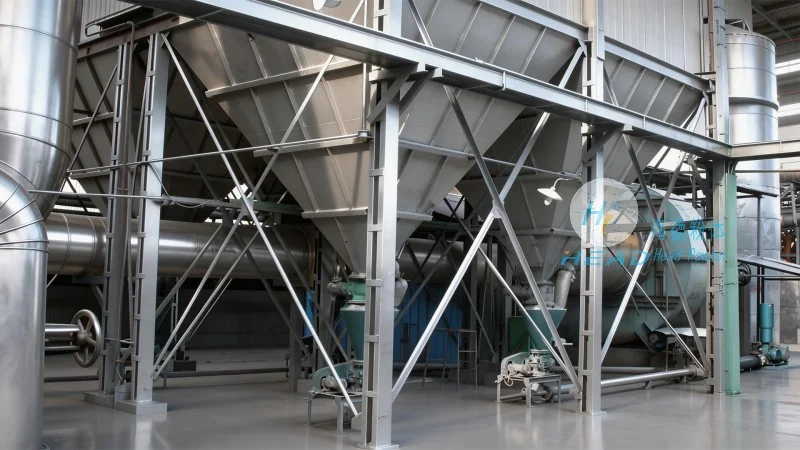
Introduction to Pneumatic Conveying for Potato Starch
Potato starch is a fine, hygroscopic powder commonly used in food, pharmaceutical, and industrial applications. Its handling demands careful consideration due to its particle size, moisture content, and flow characteristics. Pneumatic conveying, which uses air or gas to transport bulk materials, is an ideal method for potato starch because it minimizes product contamination, reduces dust generation, and enables flexible system configurations. The core principle involves creating a pressure differential to move the material through a pipeline, either by suction (induced flow) or pressure (forced flow).
Principles of Pneumatic Conveying
The fundamental principle of pneumatic conveying is the use of air to transport solid particles. In the case of potato starch, the system typically operates under negative pressure (suction) or positive pressure (pressure) conditions. The suction method draws material from a hopper or storage silo into the conveying line using a vacuum pump, while the pressure method forces air and material through the pipeline using a blower or compressor. The choice between these methods depends on factors such as material properties, distance, and system layout. For potato starch, suction systems are often preferred due to their ability to handle fine powders without excessive pressure drops, which can cause clogging or degradation.
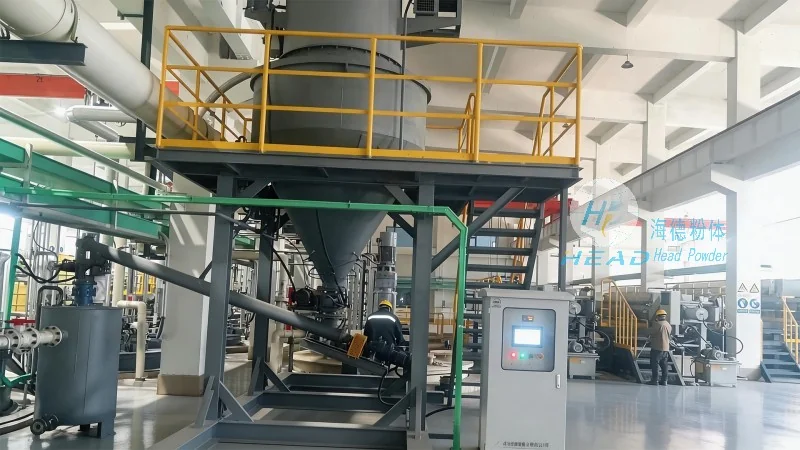
Key Working Scene Characteristics
The working scene characteristics of potato starch pneumatic conveying systems vary based on the application, scale, and operational environment. These characteristics include system capacity, conveying distance, material flow rate, and environmental considerations. In industrial settings, such as starch processing plants, the system may need to handle large volumes of potato starch from storage silos to processing units, requiring high-capacity conveying lines and robust equipment. The working scene may also involve multiple stages, including storage, conveying, and processing, where the system must integrate seamlessly with existing production lines.
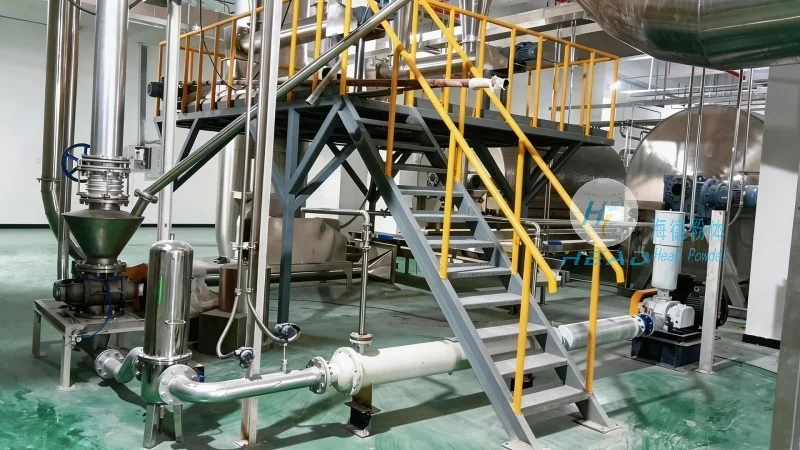
Another critical characteristic is the impact of material properties on system performance. Potato starch is a fine powder with a tendency to agglomerate, which can affect flowability and cause blockages in the conveying line. To mitigate this, systems often incorporate features like in-line mixers, air classifiers, or vibration devices to maintain consistent material flow. The working scene may also involve varying moisture levels, as potato starch can absorb moisture from the air, affecting its density and handling characteristics. Proper moisture control is essential to ensure stable conveying performance and prevent material degradation.
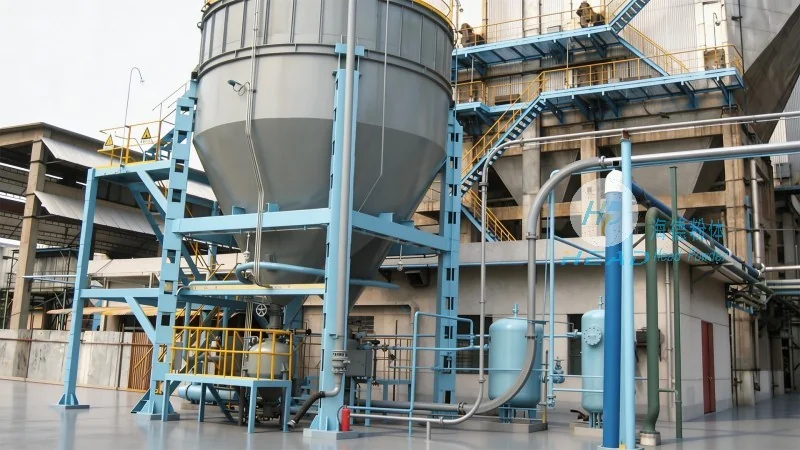
System Design and Operational Efficiency
Optimizing the pneumatic conveying system for potato starch involves careful consideration of several factors. The system design must account for the material's particle size distribution, as finer particles require higher air velocities to prevent deposition. The pipeline diameter and length are critical parameters that affect pressure drop and energy consumption. For long-distance conveying, the system may include intermediate boosters or cyclone separators to maintain material suspension and reduce pressure losses. Operational efficiency is enhanced by monitoring system parameters such as air flow rate, pressure, and material flow, using sensors and control systems to adjust settings dynamically and maintain optimal performance.
Conclusion
Pneumatic conveying is a highly effective method for handling potato starch, offering advantages such as minimal contamination, reduced dust, and flexible system configurations. The working scene characteristics of these systems are influenced by factors like material properties, system scale, and operational requirements. By understanding the principles of pneumatic conveying and tailoring system design to the specific needs of potato starch, industrial operations can achieve efficient, reliable material handling. Shandong HeadPowder Engineering Co., Ltd., a leading provider of material handling solutions, specializes in designing and manufacturing pneumatic conveying systems tailored to the unique requirements of potato starch processing, ensuring optimal performance and operational efficiency for clients in China and beyond.