

Principles and Working Scene Characteristics of Pharmaceutical Powder Pneumatic Conveying Lines
Pharmaceutical powder pneumatic conveying lines are specialized systems designed to transport powders, granules, and other particulate materials within pharmaceutical manufacturing environments. These systems are critical for ensuring the safe, efficient, and hygienic transfer of raw materials and finished products. The technology is particularly important in industries where product purity, contamination control, and regulatory compliance are paramount, such as in the production of active pharmaceutical ingredients (APIs), drug intermediates, and final dosage forms.
Core Principles of Pneumatic Conveying Systems
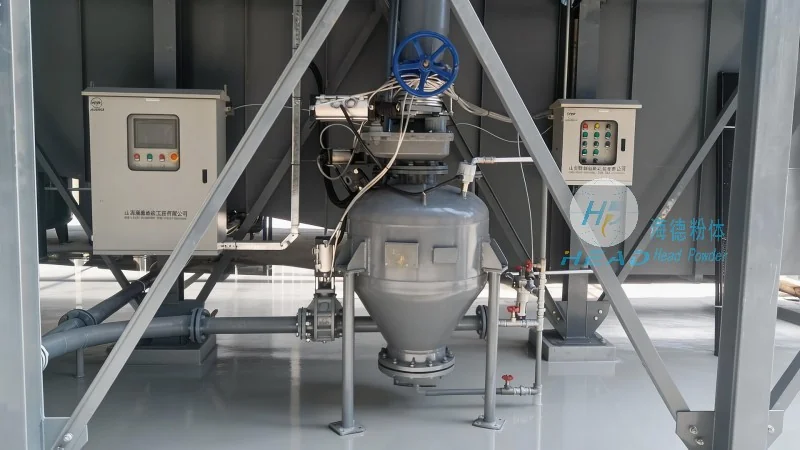
The fundamental principle of pneumatic conveying involves using a fluid (typically air or a gas) to transport solid particles through a pipeline. There are two primary modes of operation: positive pressure and negative pressure systems. In positive pressure systems, air is forced into the conveying line, creating a pressure differential that propels the material forward. This method is often preferred for long-distance or high-capacity applications, as it can handle a wide range of particle sizes and densities. Negative pressure systems, on the other hand, use suction to draw material into the line, which is suitable for applications requiring minimal product degradation or where the material is sensitive to pressure changes. Both systems rely on the interaction between the fluid and the particles to achieve movement, with the design of the system tailored to the specific characteristics of the powder being transported—such as particle size distribution, moisture content, and flowability.
Key Working Scene Characteristics
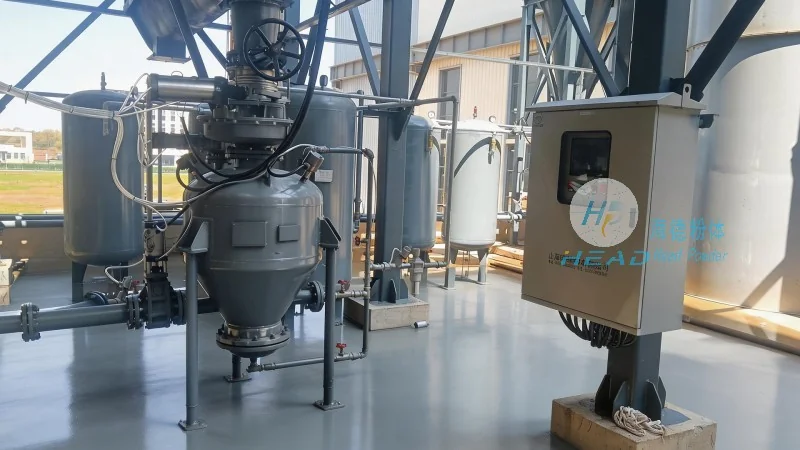
The working scene characteristics of pharmaceutical powder pneumatic conveying lines are shaped by the stringent requirements of the pharmaceutical industry. These systems are typically deployed in cleanroom environments, where contamination control is a top priority. The design of the conveying lines includes features like smooth, easy-to-clean surfaces, minimal dead zones, and sealed connections to prevent dust accumulation and cross-contamination. Additionally, the systems are often integrated with other process equipment, such as mixers, blenders, and packaging machines, to form a seamless production line. This integration enhances operational efficiency by reducing manual handling and minimizing the risk of human error. The working scene also considers the need for flexibility, as pharmaceutical production often involves changes in product formulations or batch sizes. Pneumatic conveying systems can be adapted to accommodate these variations through adjustable flow rates, variable speed drives, and modular components, ensuring that the line can be reconfigured quickly to meet new production demands.
Ensuring Compliance and Safety in Pharmaceutical Conveying
Compliance with regulatory standards, such as those set by the FDA and GMP (Good Manufacturing Practice), is a critical aspect of pharmaceutical powder pneumatic conveying systems. The design and operation of these systems must adhere to strict guidelines to ensure product quality and patient safety. This includes features like dust collection systems to prevent airborne particulate release, which is essential for maintaining cleanroom standards. The materials used in the construction of the conveying lines are typically stainless steel or other corrosion-resistant materials, which are easy to sanitize and resistant to chemical exposure. Additionally, the systems are equipped with sensors and monitoring devices to track flow rates, pressure, and temperature, providing real-time data for process control and troubleshooting. These measures help to minimize downtime and ensure consistent product quality, which is vital in pharmaceutical manufacturing where even small deviations can have significant consequences.
Application Examples in Pharmaceutical Manufacturing
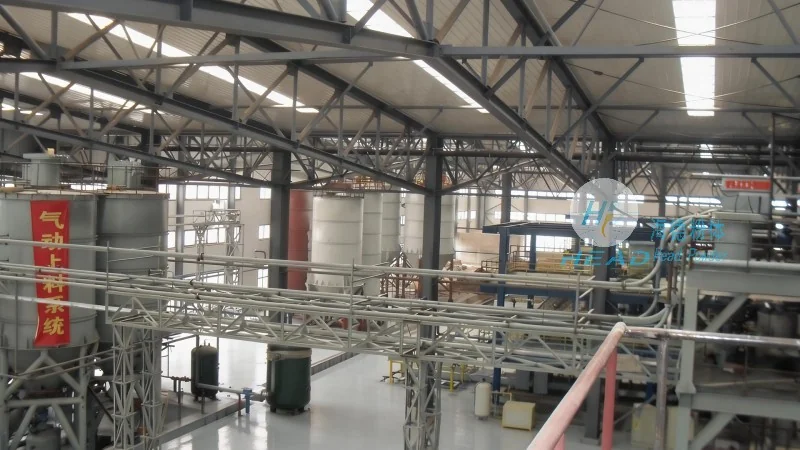
Pharmaceutical powder pneumatic conveying lines are used in a variety of applications across the pharmaceutical industry. For example, in the production of oral solid dosage forms, these systems are used to transport raw materials like excipients (e.g., lactose, starch) and active ingredients from storage silos to blending and tableting machines. The ability to handle fine powders and maintain a sterile environment is crucial in this process, as any contamination could compromise the efficacy or safety of the final product. Another application is in the handling of bulk drug substances, where large quantities of API or intermediates need to be transferred between processing units, such as reactors, crystallizers, and drying equipment. The high capacity and reliability of pneumatic conveying systems make them ideal for these bulk material transfers, reducing the need for manual handling and improving overall productivity. Furthermore, in the field of biopharmaceuticals, where the production of biologics involves complex protein or cell-based processes, pneumatic conveying systems are used to transport raw materials and intermediates while maintaining the required sterile conditions. The flexibility and precision of these systems are essential for meeting the stringent requirements of biopharmaceutical manufacturing.