

Principle and Working Scene Characteristics of Feed Powder Pneumatic Conveying Lines
Feed powder pneumatic conveying lines are essential systems in the feed manufacturing industry, designed to transport bulk feed powders efficiently and reliably. These systems utilize air as the conveying medium to move feed materials from one location to another, offering a solution to common challenges such as dust control, material handling, and process integration. The core of these systems lies in understanding their operational principles and the diverse working environments where they are applied. As a leading provider in this field, Shandong HeadPowder Engineering Co., Ltd. specializes in designing and manufacturing high-quality pneumatic conveying systems tailored to the unique needs of feed manufacturers.

Principle of Pneumatic Conveying for Feed Powders
The fundamental principle of feed powder pneumatic conveying involves the use of compressed air to create a flow that transports the feed material. In a typical system, feed powder is introduced into a conveying line, often through a hopper or feeder, and then mixed with high-pressure air. The air, moving at sufficient velocity, lifts and carries the powder particles through the pipeline. This process relies on the balance between the air's kinetic energy and the gravitational force acting on the powder particles. The system can be categorized into two main types: dilute phase and dense phase, each with distinct characteristics suited to different feed powder properties and application requirements.
Key Components and Their Functions
Feed powder pneumatic conveying lines consist of several critical components that work in tandem to ensure efficient operation. The primary components include the hopper or feeder, which stores and feeds the feed powder into the system; the air compressor or blower, which generates the necessary pressure and airflow; the conveying pipeline, which transports the feed material; and the receiver or discharge hopper, where the material is collected. Additionally, control valves, filters, and dust collectors are often integrated to regulate the system and manage dust emissions. Each component plays a vital role in maintaining the system's performance and ensuring the safe and efficient handling of feed powders.
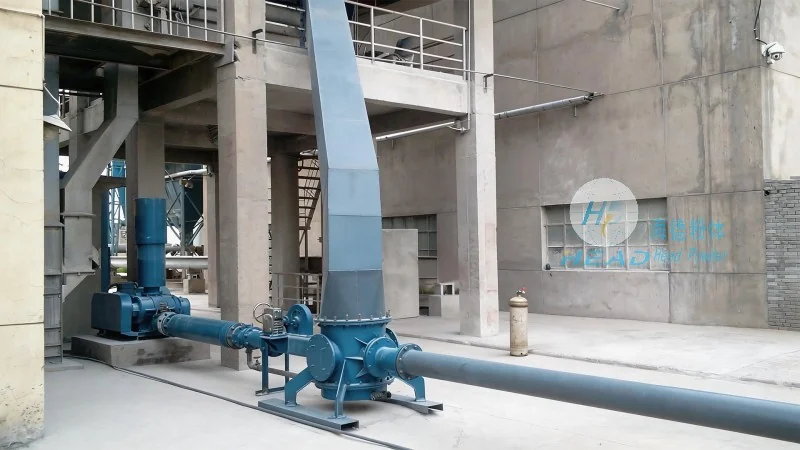
Working Scene Characteristics: Applications in Feed Manufacturing
Feed powder pneumatic conveying lines are widely used in various working scenarios within the feed manufacturing industry. One common application is in feed mills, where these systems transport raw materials such as corn, soybean meal, and other feed ingredients from storage silos to processing equipment. The ability to handle large volumes of bulk feed powders quickly and with minimal dust makes these systems ideal for high-throughput feed production lines. Another application is in animal feed processing facilities, where the systems are used to convey finished feed products from production lines to storage silos or packaging areas. The flexibility of pneumatic conveying allows for integration with other processing equipment, such as mixers and extruders, enabling seamless material flow throughout the production process.
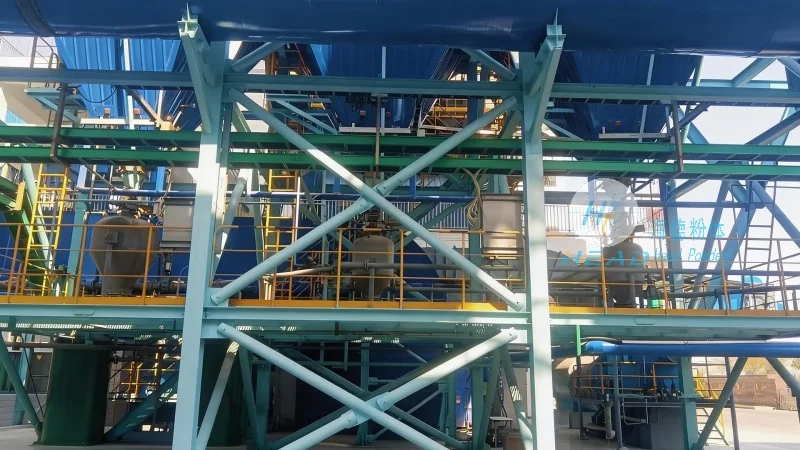
Advantages of Using Pneumatic Conveying Systems
Implementing feed powder pneumatic conveying lines offers several advantages over traditional material handling methods. One of the most significant benefits is the reduction in dust generation and contamination, which is crucial for maintaining product quality and worker safety. Unlike mechanical conveyors, which can cause material degradation and dust exposure, pneumatic systems minimize these risks by using enclosed pipelines and controlled airflow. Additionally, pneumatic conveying allows for the transport of materials over longer distances and through complex layouts, making it suitable for large-scale feed manufacturing facilities. The systems also offer high efficiency in terms of energy consumption and material throughput, contributing to cost savings and improved operational performance.
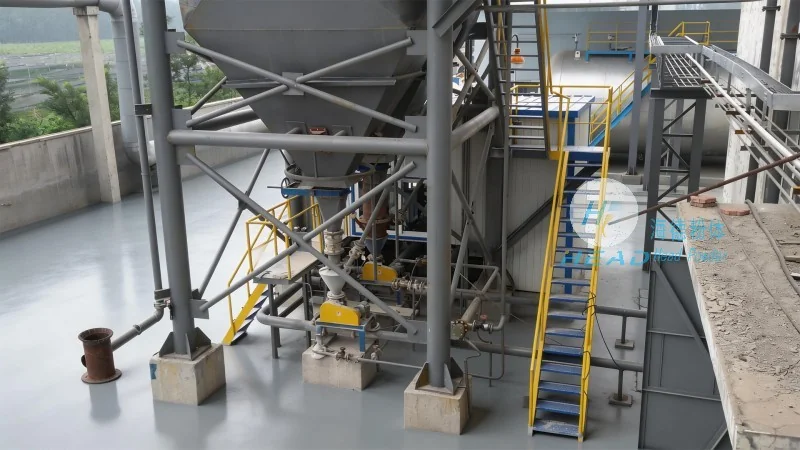
Considerations for System Design and Installation
When designing and installing feed powder pneumatic conveying lines, several factors must be considered to ensure optimal performance. The first consideration is the feed powder's physical properties, including particle size, moisture content, and flowability. These properties influence the choice of system type (dilute or dense phase) and the required air velocity and pressure. Another critical factor is the system's layout, including the length and complexity of the pipeline, which affects the overall energy consumption and material handling efficiency. Proper system sizing, based on the material's characteristics and the desired conveying rate, is essential to avoid system overload or underperformance. Additionally, regular maintenance and cleaning of the system components, such as filters and pipelines, are necessary to prevent blockages and ensure long-term reliability.
Conclusion: The Role of Feed Powder Pneumatic Conveying Lines in Modern Feed Manufacturing
Feed powder pneumatic conveying lines are indispensable components in modern feed manufacturing operations, providing efficient, reliable, and safe material handling solutions. By understanding the principles of pneumatic conveying and the diverse working scene characteristics, feed manufacturers can optimize their processes and improve overall operational performance. The systems offered by companies like Shandong HeadPowder Engineering Co., Ltd. leverage advanced technology and engineering expertise to meet the specific needs of feed production facilities, ensuring high-quality feed processing and product delivery. With continued advancements in system design and control technologies, feed powder pneumatic conveying lines will remain a key technology in the feed industry, supporting the production of safe and nutritious animal feed.