

Principle and Working Scenario Characteristics of PP Powder Pneumatic Conveying
PP (Polypropylene) powder is a widely used thermoplastic material in various industrial applications, including packaging, automotive parts, and construction materials. The efficient and reliable transport of PP powder from storage to processing equipment is crucial for maintaining production efficiency and product quality. Pneumatic conveying, a method that uses air or gas to move bulk solids, offers a flexible and effective solution for handling PP powder. This article explores the fundamental principles of PP powder pneumatic conveying and highlights key working scenario characteristics that define its application in industrial settings.
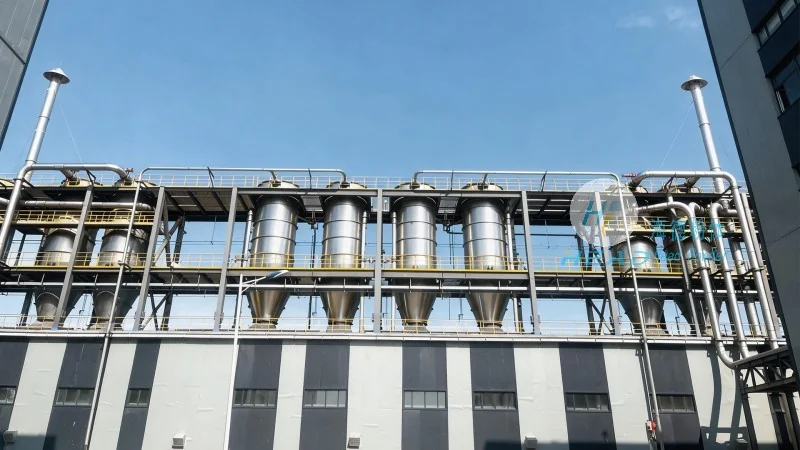
Core Principles of Pneumatic Conveying for PP Powder
The operation of pneumatic conveying systems for PP powder is based on several key principles. The primary mechanism involves creating a pressure differential between the conveying line and the ambient environment, which generates the necessary force to move the powder particles. There are two main types of pneumatic conveying systems: pressure and vacuum. Pressure systems use positive pressure to push the powder through the pipeline, while vacuum systems use negative pressure to pull the material. For PP powder, which is typically non-abrasive and has a relatively low density, pressure systems are often preferred due to their ability to handle higher flow rates and longer distances without excessive energy consumption.
In pressure systems, a blower or compressor generates the required pressure, and the powder is introduced into the conveying line through a hopper or feeder. The air-powder mixture travels through the pipeline, and the powder is separated from the air at the destination point using a cyclone or filter. The separation process is critical to ensure that the PP powder is recovered efficiently and that the air is cleaned before being discharged. The design of the conveying line, including the pipe diameter, length, and bends, significantly impacts the system's performance. Proper sizing and the use of smooth, low-friction materials (such as stainless steel or PVC) help minimize pressure drop and energy loss, ensuring optimal conveying efficiency.
Working Scenario Characteristics of PP Powder Pneumatic Conveying
The application of PP powder pneumatic conveying varies based on specific working scenarios, which are tailored to meet the demands of different industrial processes. One common scenario is the transfer of PP powder from bulk storage silos to processing equipment, such as extruders or mixers, in manufacturing facilities. In this scenario, the system must handle large volumes of powder over relatively long distances, often requiring high-pressure systems to maintain flow rates and prevent clogging. The design of the hopper and feeder is critical to ensure consistent material feed and to prevent agglomeration, which can lead to blockages in the conveying line.
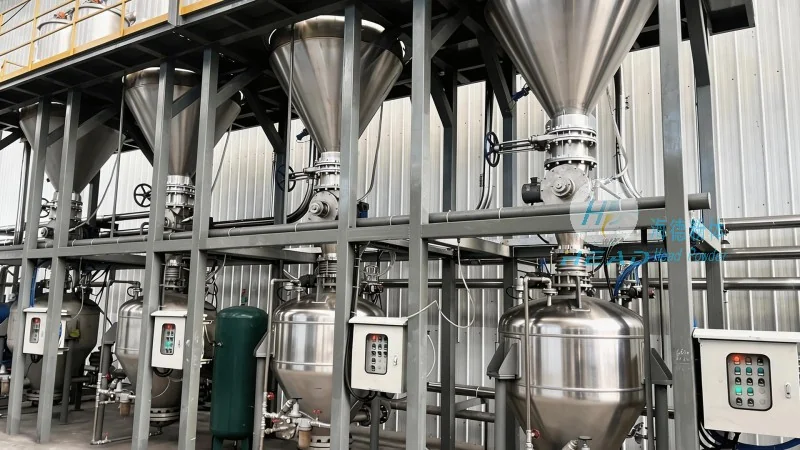
Another scenario involves the handling of PP powder in pharmaceutical or food processing applications, where hygiene and contamination control are paramount. In such cases, the pneumatic conveying system must be designed with sanitary components, including stainless steel parts, sealed connections, and easy-to-clean surfaces. The use of vacuum systems may be preferred to minimize product exposure to the environment and to prevent cross-contamination. The system must also comply with regulatory standards, such as those set by the FDA or EU, to ensure that the PP powder remains in a controlled and safe environment throughout the conveying process.
In addition to material handling, PP powder pneumatic conveying is also used in applications where space constraints are a factor. For example, in compact manufacturing facilities or in areas with limited vertical or horizontal space, the flexibility of pneumatic conveying systems allows for the design of compact and efficient layouts. The ability to route the conveying line around obstacles and to use vertical or horizontal combinations of pipes makes it suitable for confined spaces. This adaptability is particularly valuable in industries where floor space is at a premium, such as in urban manufacturing districts or in retrofitting older facilities.
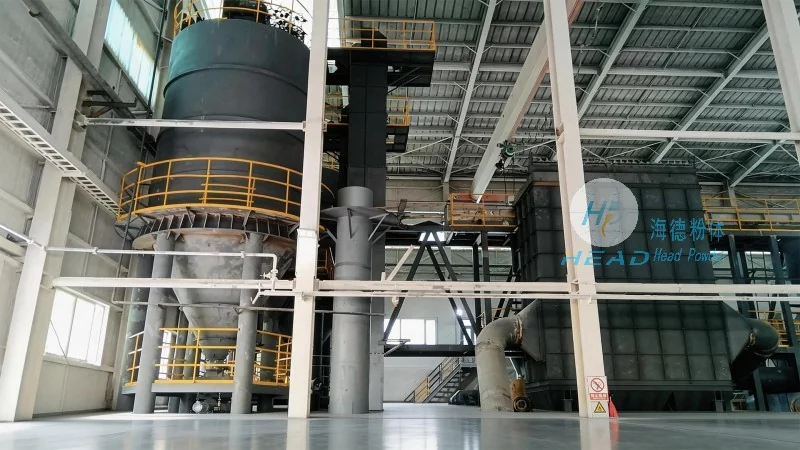
Key Factors Influencing PP Powder Pneumatic Conveying Performance
The performance of a PP powder pneumatic conveying system is influenced by several factors that must be carefully considered during the design and operation phase. Particle size and density are critical parameters, as they affect the flowability and the pressure drop across the system. PP powder typically has a particle size range of 0.1 to 2 mm and a bulk density of approximately 0.9 g/cm³. The system must be designed to handle these characteristics, ensuring that the air-powder mixture remains stable and that the powder does not settle or agglomerate in the pipeline. The moisture content of the powder is another important factor, as excessive moisture can lead to caking and blockages. Proper drying and moisture control measures are essential to maintain the powder's flowability and to prevent system failures.
The system's operating pressure and flow rate are also key factors that impact performance. Higher pressures can increase the conveying capacity but may also lead to higher energy consumption and increased wear on components. The selection of the appropriate pressure level depends on the distance to be covered and the required flow rate. The use of variable speed drives and pressure regulators allows for the optimization of the system's performance under varying load conditions. Additionally, the material of construction is important, as it must withstand the abrasive nature of the PP powder and the corrosive effects of any additives or moisture present in the material. Stainless steel is commonly used for its durability and resistance to corrosion, while PVC or polyethylene may be used for non-abrasive applications.
Conclusion and Application Outlook
PP powder pneumatic conveying is a reliable and efficient method for handling PP powder in various industrial applications. The principles of pressure and vacuum systems, combined with careful system design and maintenance, ensure that the material is transported safely and effectively. The working scenario characteristics, including material handling requirements, hygiene standards, and space constraints, are addressed through tailored system configurations. As industries continue to demand higher production efficiency and product quality, the importance of pneumatic conveying systems for PP powder will only grow. By understanding the core principles and working scenario characteristics, manufacturers can select and implement the most suitable conveying solution to meet their specific needs, ensuring optimal performance and long-term operational success.