

Principles and Application Scenarios of Alumina Material Handling
Alumina, a critical raw material in the aluminum production process, demands efficient and reliable material handling systems to ensure seamless operational flow. The principles governing alumina material transport and the characteristics of its working environments are essential for optimizing industrial productivity. This article delves into the core principles of alumina material handling and examines the key working scene characteristics that define effective material transport solutions, providing insights into how these elements contribute to the success of industrial operations.
Core Principles of Alumina Material Handling
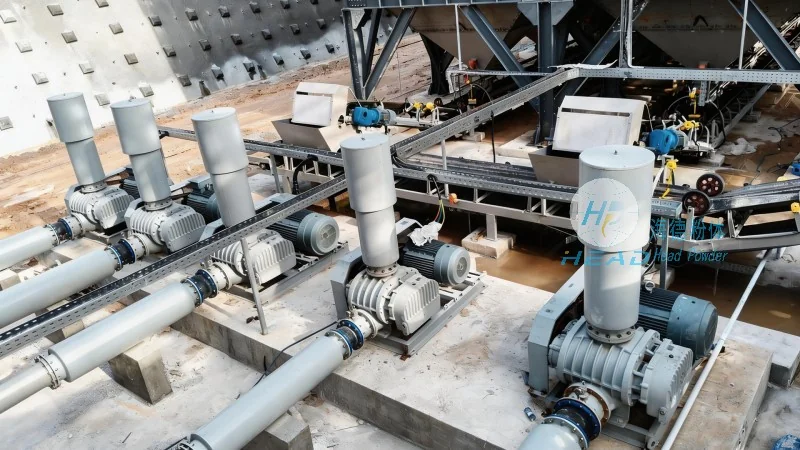
The fundamental principles of alumina material handling revolve around maintaining material flow continuity, preserving material quality, and minimizing operational costs. These principles are achieved through the integration of specialized equipment such as belt conveyors, bucket elevators, and storage silos. The design of these systems must account for alumina's physical properties, including its bulk density, flowability, and tendency to generate dust. By adhering to these principles, industrial facilities can enhance efficiency, reduce downtime, and ensure consistent material quality, which directly impacts the performance of downstream processes.
Working Scene Characteristics of Alumina Material Transport
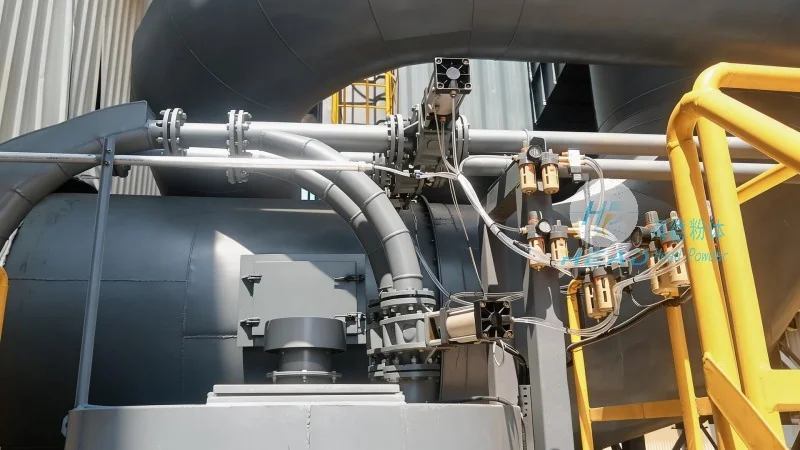
The working scene characteristics of alumina material handling vary significantly based on the scale of the operation and the specific industrial application. For large-scale aluminum smelting plants, the material transport systems must handle high volumes of alumina, often requiring high-capacity conveyors and automated storage solutions. These systems are designed to maintain a continuous flow of material from storage to processing units, minimizing interruptions in production. In smaller-scale operations, more flexible and compact systems may be employed, allowing for adaptability to changing production demands. Environmental factors also play a crucial role, as alumina is a fine powder that can generate dust, necessitating dust control measures to ensure workplace safety and compliance with environmental regulations. Additionally, precise material measurement and control are critical for maintaining the quality of the final aluminum product, as variations in alumina composition can affect the properties of the end product.
Company Profile: Shandong HeadPowder Engineering Co., Ltd.
Shandong HeadPowder Engineering Co., Ltd., operating under the brand name headpowder, is a leading provider of advanced material handling solutions tailored to the needs of the alumina and aluminum industries. The company specializes in the design, manufacturing, and integration of customized systems that enhance operational efficiency and reduce costs for clients. HeadPowder leverages its expertise in engineering and industrial processes to deliver reliable and efficient material transport solutions, addressing the unique challenges faced by alumina processing facilities. With a focus on quality and innovation, headpowder has established itself as a trusted partner in the industry, offering solutions that meet the highest standards of performance and safety.
Location and Operational Base
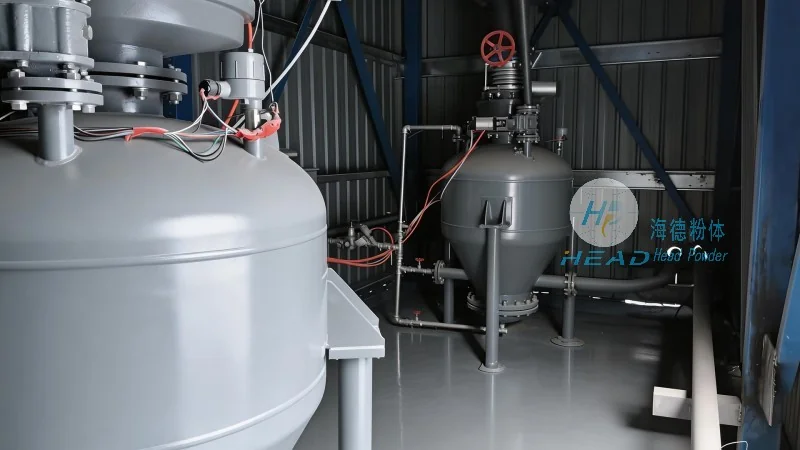
HeadPowder is headquartered in Shandong, China, a region known for its robust industrial infrastructure and access to key supply chains. The company's facilities are equipped with state-of-the-art technology and a team of skilled engineers and technicians, enabling the development and implementation of cutting-edge material handling systems. The strategic location in Shandong allows headpowder to serve clients across the aluminum industry, providing timely support and maintenance services to ensure the continuous operation of material transport systems. This regional presence underscores the company's commitment to serving the local and broader industrial communities with reliable and effective solutions for alumina material handling.