

Principles and Working Scene Characteristics of Cotton Seed Material Conveying
Understanding the principles and operational characteristics of cotton seed material conveying is crucial for optimizing industrial processes in agricultural and food processing sectors. The efficient handling of cotton seeds, which are a key raw material in various industries including oil extraction, animal feed, and biofuel production, relies heavily on reliable conveying systems. This article explores the fundamental principles behind cotton seed material conveying, alongside the specific working scene characteristics that define its application in different industrial settings.
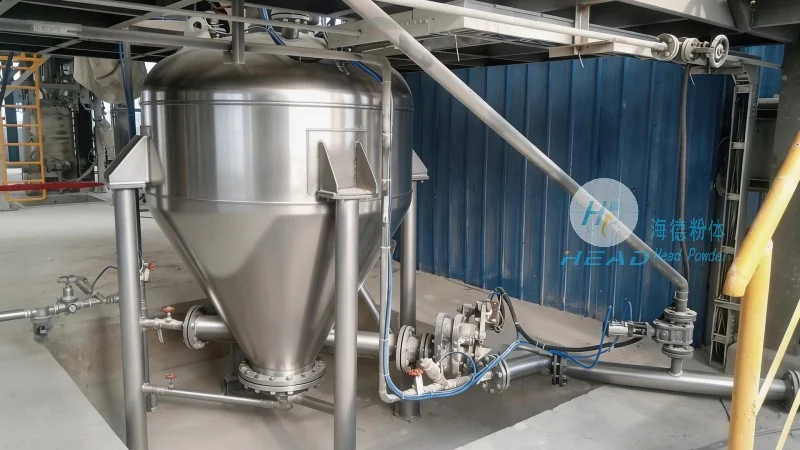
Introduction to Cotton Seed Material Conveying
Cotton seeds, also known as cottonseed, are a byproduct of the cotton ginning process and are rich in oil and protein, making them valuable for multiple industrial applications. The transportation of these seeds from storage facilities to processing units requires specialized equipment designed to handle their unique physical properties—such as irregular shapes, varying moisture content, and potential contamination. Conveying systems for cotton seeds must ensure minimal product damage, consistent flow rates, and adherence to hygiene standards, which are critical for maintaining product quality and operational efficiency.
Core Principles of Cotton Seed Material Conveying
The primary principles governing cotton seed material conveying revolve around the mechanics of material movement, system design, and operational control. These principles ensure that the conveying process is efficient, safe, and adaptable to the specific demands of cotton seed handling. Key aspects include:
1. **Mechanical Advancement**: Conveying systems utilize mechanical forces, such as gravity, vacuum, or positive pressure, to move cotton seeds from one location to another. For example, gravity-fed chutes or inclined conveyors are commonly used in low-rise applications, while vacuum or pneumatic systems are preferred for longer distances or when handling fine particles.
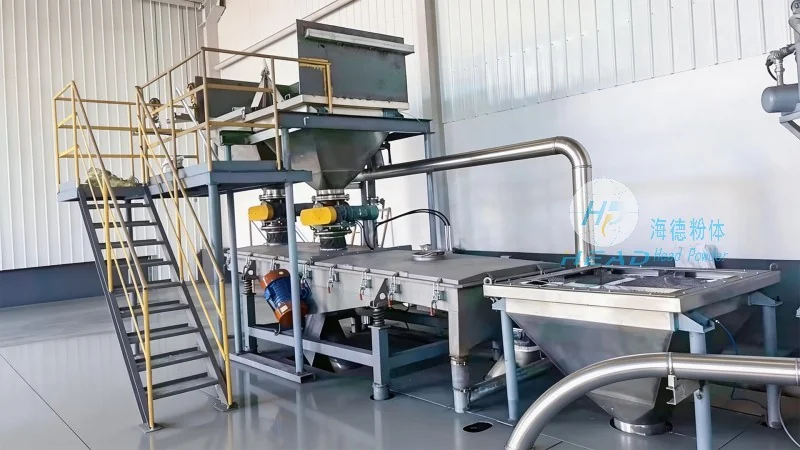
2. **Material Handling Considerations**: Cotton seeds have distinct characteristics that influence conveyor selection. Their irregular shape and potential for clumping necessitate equipment with smooth, non-stick surfaces or specialized components like rotary valves or screw conveyors that can break up agglomerates. Additionally, moisture content affects the seed's density and flowability, requiring adjustments to conveyor speed or feed rate to prevent blockages.
3. **System Integration**: Effective cotton seed conveying often involves integrating multiple components, such as feeders, hoppers, and control panels, to ensure seamless material flow. The design of these systems must account for the entire process—from raw seed storage to final processing—ensuring that each stage works in harmony to minimize downtime and maximize throughput.
Working Scene Characteristics of Cotton Seed Conveying
The operational characteristics of cotton seed material conveying vary significantly based on the specific industrial environment and application. Understanding these characteristics is essential for selecting the right equipment and optimizing performance. Key working scene factors include:
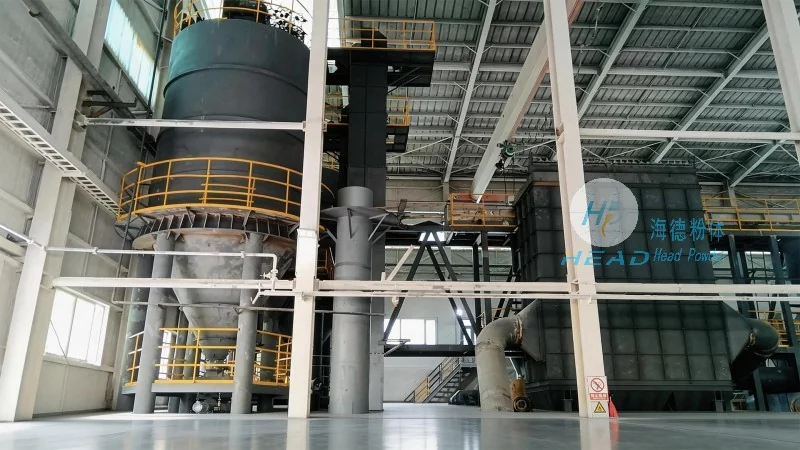
1. **Industrial Scale and Production Volume**: Large-scale cotton seed processing facilities, such as oil mills or feed production plants, require high-capacity conveying systems capable of handling thousands of tons of material per day. These systems often involve multiple parallel conveyors or continuous belt systems to maintain consistent throughput and avoid bottlenecks.
2. **Process Integration**: In many industrial settings, cotton seed conveying is integrated with other processes, such as cleaning, drying, or oil extraction. The conveying system must be designed to interface seamlessly with these downstream processes, ensuring that material is delivered in the correct condition (e.g., dry, clean) to avoid equipment damage or product quality issues.
3. **Environmental and Safety Considerations**: Cotton seeds can generate dust, which poses health and safety risks in industrial environments. Conveying systems must incorporate dust control measures, such as enclosed hoppers, filtration systems, or explosion-proof designs, to comply with occupational safety regulations and prevent accidents. Additionally, the system's design must account for potential hazards like moving parts or high-pressure air, ensuring that operators can work safely around the equipment.
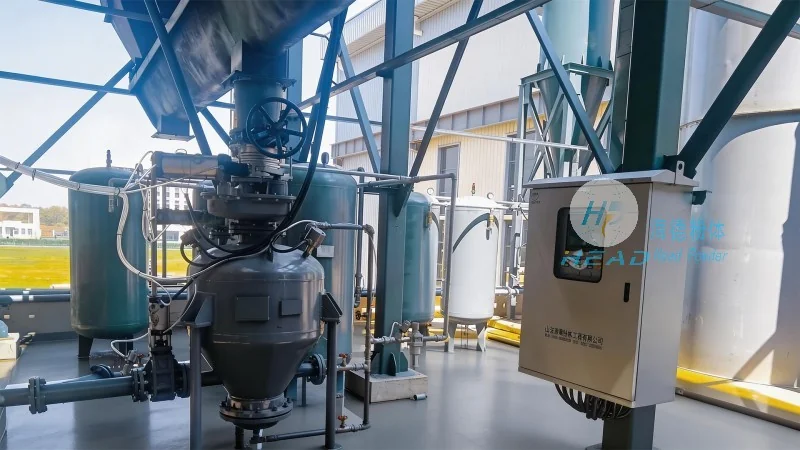
4. **Space Constraints and Layout**: The physical layout of a facility, including available space and the position of storage and processing units, significantly impacts the choice of conveying system. For example, in compact facilities, vertical conveyors or compact screw systems may be preferred to save floor space, while in larger sites, horizontal belt or chain conveyors can be used to cover longer distances efficiently.
Application Examples and Real-World Scenarios
Real-world applications of cotton seed material conveying highlight the versatility and adaptability of these systems across different industries. For instance, in a cottonseed oil extraction plant, the conveying system may transport raw cotton seeds from storage silos to a pre-treatment unit, where they are cleaned and conditioned before entering the oil extraction press. In a feed manufacturing facility, the system could move processed cotton seed meal from a storage bin to a mixing line, ensuring consistent ingredient addition. These examples illustrate how the principles and characteristics of cotton seed conveying are tailored to meet the specific needs of each application, from raw material handling to final product distribution.
Conclusion and Company Overview
Efficient cotton seed material conveying is a cornerstone of modern industrial operations, enabling the smooth flow of raw materials and supporting the productivity of various processing plants. The principles and working scene characteristics discussed in this article underscore the importance of selecting and implementing the right conveying system for cotton seed applications. As a leading provider in the field, Shandong HeadPowder Engineering Co., Ltd. specializes in designing and manufacturing customized conveying solutions tailored to the unique demands of cotton seed handling. With a focus on reliability, efficiency, and safety, HeadPowder delivers systems that enhance operational performance and ensure the quality of cotton seed products. Based in Shandong, China, HeadPowder leverages its expertise to support industries worldwide in optimizing their cotton seed processing workflows.