

Principles and Application of Resin Material Handling
Resin material handling is a critical process in various industrial applications, involving the efficient transportation and management of resin materials from storage to processing units. The principles underlying these systems are designed to ensure optimal performance, safety, and reliability in diverse operational environments. This article explores the fundamental principles of resin material handling and highlights key application scenarios where such systems are employed.
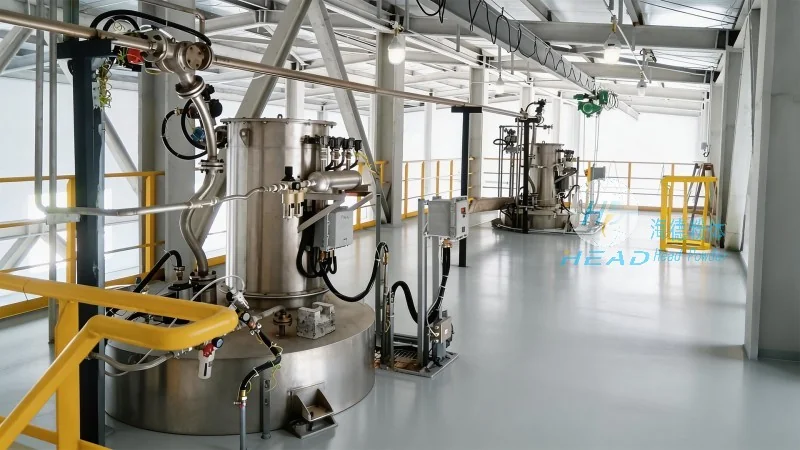

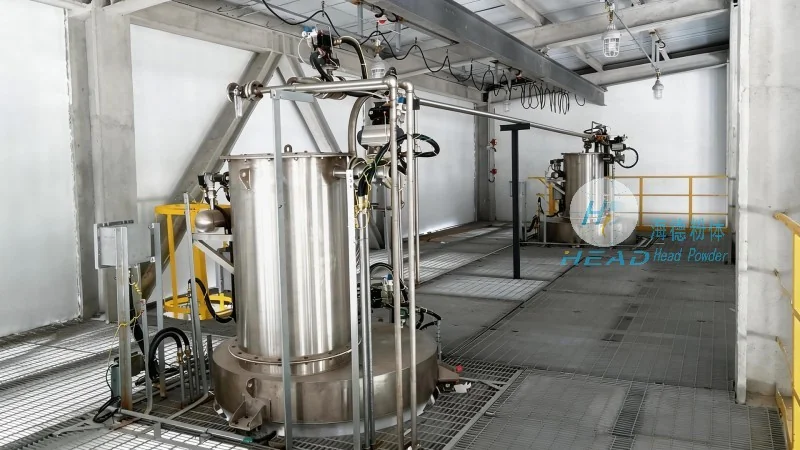
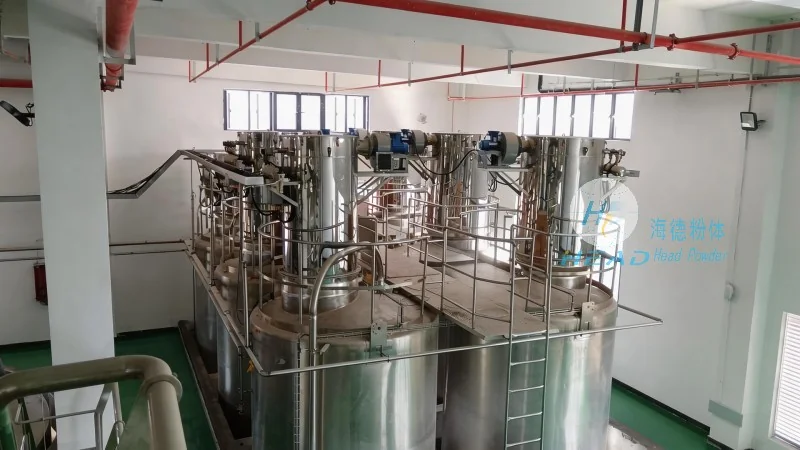
About HeadPowder Engineering
HeadPowder, a leading provider of engineering solutions, specializes in the design, manufacturing, and implementation of advanced resin material handling systems. With a strong presence in China, particularly in Shandong province, the company leverages its expertise to deliver tailored solutions that meet the specific needs of clients across different industries. The company's commitment to quality and innovation has established it as a trusted partner in the field of material handling technology.
Principles of Resin Material Handling
The core principles of resin material handling revolve around the efficient movement of resin materials, which may include powders, granules, or pellets, from storage silos or containers to processing equipment such as mixers, extruders, or injection molding machines. Key principles include: 1. **Material Flow Control**: Ensuring consistent and controlled flow of resin materials to prevent clogging, blockages, or uneven distribution. This is achieved through the use of specialized equipment like screw conveyors, which use rotating screws to move materials along a tube, pneumatic conveyors that utilize air pressure to transport materials in a sealed system, and rotary valves that control the flow of materials into processing equipment. 2. **Dust Control and Safety**: Resin materials, especially in powder form, can generate dust, posing health and safety risks. Effective handling systems incorporate dust suppression measures, such as sealed containers that prevent dust from escaping, filtration systems that capture and remove airborne particles, and proper ventilation that ensures a safe working environment. Additionally, safety features like emergency stop buttons and protective guards are integrated into the equipment to prevent accidents. 3. **System Integration**: Resin handling systems are often integrated with other production processes, requiring seamless coordination with upstream and downstream equipment. This integration ensures smooth operation and minimal downtime, enhancing overall productivity. For example, in a plastic manufacturing plant, the resin handling system may be connected to a silo that stores raw materials, a conveyor that transports materials to a mixer, and a pump that feeds materials into an extruder. The system must coordinate with each of these components to ensure that materials are delivered at the right time and in the correct quantity. 4. **Maintenance and Durability**: The equipment used in resin handling must be durable and resistant to the chemical and physical properties of resin materials. Materials like stainless steel, corrosion-resistant alloys, and specialized coatings are commonly used to ensure long-term performance and reduce maintenance costs. For instance, stainless steel is often used for screw conveyors and hoppers because it is resistant to corrosion from resin materials and easy to clean. Specialized coatings may be applied to equipment to protect against wear and tear from abrasive materials.