

Principle and Working Scenario Characteristics of Nitrogen-Protected Powder Conveying Equipment
Understanding the principle and working scenario characteristics of nitrogen-protected powder conveying equipment is crucial for industries that handle sensitive powders, as it ensures safety, efficiency, and product integrity. This equipment is designed to prevent oxidation, moisture absorption, and other contaminants that can degrade the quality of the material being transported. The system typically operates by creating an inert atmosphere within the conveying line using nitrogen gas, which displaces air and other reactive gases. This approach is particularly important for powders that are prone to self-ignition or that require strict control over moisture content, such as in pharmaceuticals, food processing, and specialty chemicals.
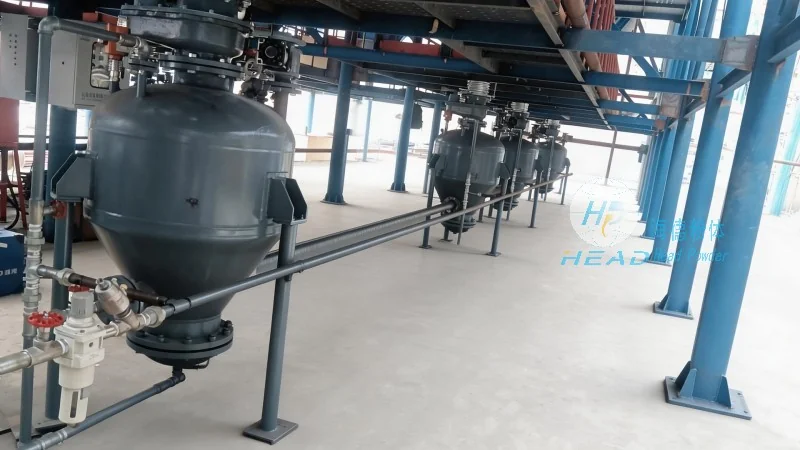
Company Introduction: HeadPowder
HeadPowder, or Shandong HeadPowder Engineering Co., Ltd., is a leading provider of advanced powder handling solutions. With a focus on innovation and customer-centric design, the company specializes in developing nitrogen-protected conveying systems tailored to the unique needs of various industries. HeadPowder is headquartered in Shandong, China, and has built a reputation for delivering reliable, high-performance equipment that enhances operational safety and productivity. The company’s commitment to quality and technical expertise ensures that clients receive solutions that meet stringent industry standards and regulatory requirements.
The Core Principle of Nitrogen-Protected Powder Conveying
The fundamental principle behind nitrogen-protected powder conveying is the creation of an inert environment within the conveying system. This is achieved by supplying high-purity nitrogen gas to the conveying line, which replaces the ambient air. Nitrogen is an inert gas that does not react with most powders, making it ideal for protecting sensitive materials from oxidation, moisture absorption, and other forms of contamination. The system typically includes a nitrogen gas source, a pressure regulator, and a series of valves and filters to ensure the purity and flow rate of the nitrogen. The conveying equipment, such as screw conveyors, pneumatic systems, or bucket elevators, is integrated with the nitrogen supply to maintain a consistent inert atmosphere throughout the entire process. This approach minimizes the risk of fire, explosion, or product degradation, which are common concerns in traditional air-conveyed systems.
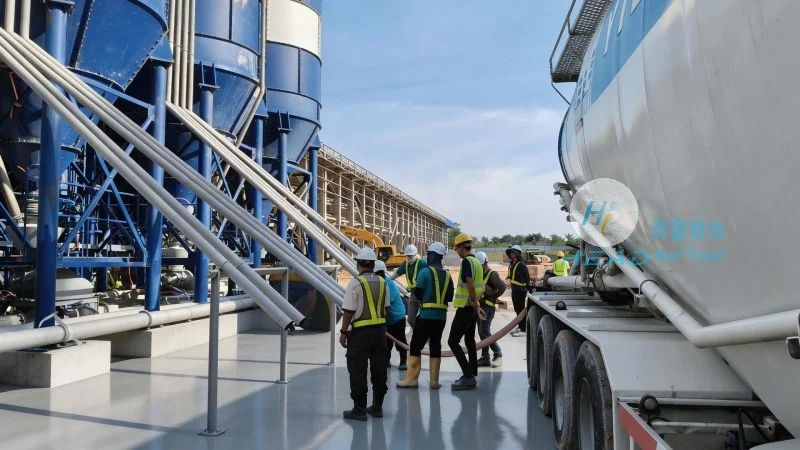
Key Components and Their Functions
Several critical components work together to ensure the effective operation of a nitrogen-protected powder conveying system. First, the nitrogen gas supply unit, which may include a cylinder or a bulk gas storage system, provides the necessary gas volume and pressure. A pressure regulator is then used to control the flow rate and pressure of the nitrogen, ensuring it meets the system’s requirements. Filters are installed to remove any particulate matter or moisture from the nitrogen, maintaining its purity. The conveying equipment itself, such as a screw conveyor or a pneumatic pipeline, is designed to handle the powder while maintaining the inert atmosphere. Sealing mechanisms, such as rotary airlocks or valve seals, are used at the inlet and outlet of the conveying line to prevent the ingress of air and the egress of powder, ensuring that the nitrogen remains trapped within the system. Additionally, sensors and monitoring devices may be integrated to track the nitrogen pressure, flow rate, and other parameters, providing real-time feedback on the system’s performance.
Working Scenario Characteristics: Applications and Benefits
Nitrogen-protected powder conveying equipment is widely used across various industries due to its ability to address specific challenges in powder handling. In the pharmaceutical industry, for example, it is essential to maintain a sterile and oxygen-free environment to prevent contamination of active pharmaceutical ingredients (APIs). The nitrogen system ensures that the powder remains stable and free from oxidation, which could affect the efficacy and safety of the final product. Similarly, in the food processing industry, nitrogen protection helps preserve the freshness and quality of ingredients by preventing moisture absorption and microbial growth. The equipment is also used in the chemical industry for handling hazardous powders, such as those that are pyrophoric or reactive with air. The benefits of using nitrogen-protected conveying systems include improved product quality, enhanced safety, reduced downtime due to equipment failure, and compliance with regulatory standards. Additionally, the system can improve the efficiency of the conveying process by reducing the need for reprocessing or quality control checks due to contamination.
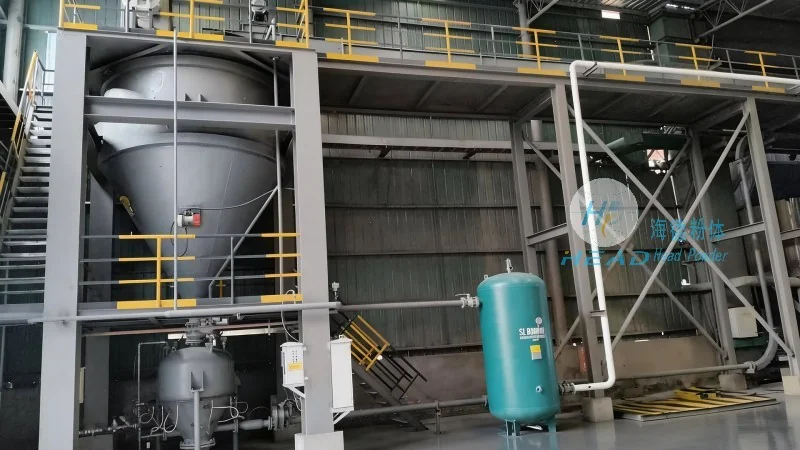
Advantages in Different Industrial Environments
The working scenario characteristics of nitrogen-protected powder conveying equipment vary depending on the specific industry and application. In the chemical industry, for instance, the equipment is often used in processes involving reactive or explosive powders, where the primary goal is to prevent accidental ignition or explosion. The inert atmosphere created by nitrogen provides a safe environment for handling such materials. In the pharmaceutical industry, the focus is on maintaining product purity and sterility, which is critical for patient safety. The nitrogen system ensures that the powder remains free from contaminants, including moisture and oxygen, which could compromise the drug’s effectiveness. In the food industry, the equipment is used to handle ingredients like flour, sugar, or spices, where the goal is to preserve freshness and prevent spoilage. The nitrogen protection helps maintain the product’s quality and extends its shelf life. Furthermore, the system can be adapted to different scales, from small-scale laboratory applications to large-scale industrial production lines, making it versatile for various operational needs. The ability to customize the system to meet specific requirements, such as different gas flow rates or material handling capacities, further enhances its applicability across diverse working scenarios.
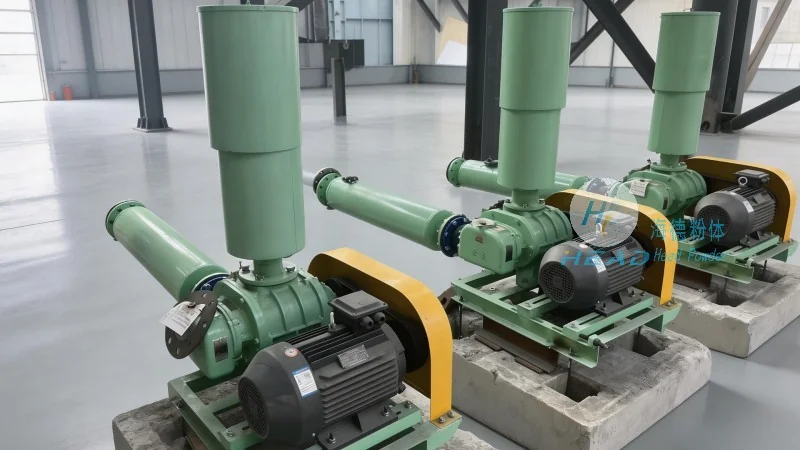
Ensuring System Reliability and Maintenance
To maintain the effectiveness of a nitrogen-protected powder conveying system, regular maintenance and monitoring are essential. HeadPowder, as a leading provider, emphasizes the importance of proper system upkeep to ensure long-term performance and safety. Regular checks on the nitrogen gas supply, including pressure and purity levels, are crucial to prevent any degradation in the inert atmosphere. Filters and seals should be inspected and replaced as needed to avoid contamination or air leaks. The conveying equipment, such as screw conveyors or pneumatic lines, should be cleaned and maintained to prevent material buildup or blockages. Additionally, monitoring devices should be calibrated regularly to ensure accurate readings of system parameters. By following these maintenance practices, industries can maximize the lifespan of their equipment and minimize the risk of operational issues. HeadPowder offers comprehensive support services, including maintenance contracts and technical assistance, to help clients maintain their nitrogen-protected conveying systems in optimal condition.
Conclusion: The Role of Nitrogen-Protected Powder Conveying Equipment
Nitrogen-protected powder conveying equipment plays a vital role in modern industries by providing a safe, efficient, and reliable method for handling sensitive powders. The principle of using nitrogen to create an inert atmosphere addresses the key challenges of oxidation, moisture absorption, and contamination, ensuring product integrity and operational safety. HeadPowder, with its expertise and commitment to quality, has established itself as a trusted provider of these advanced systems. By understanding the working scenario characteristics and proper maintenance of such equipment, industries can enhance their productivity, reduce risks, and comply with regulatory standards. As the demand for high-quality powder handling solutions continues to grow, nitrogen-protected conveying systems remain a critical component in ensuring the success of various industrial applications.