

Principle and Working Scene Characteristics of Expanded Clay Aggregate Powder Conveying Lines
Expanded clay aggregate, also known as expanded clay aggregate, is a lightweight, porous material commonly used in construction and environmental applications. The powder conveying line for this material is a specialized system designed to transport these fine particles efficiently and reliably. This article explores the fundamental principles behind such systems and highlights the key characteristics of their operational scenarios.
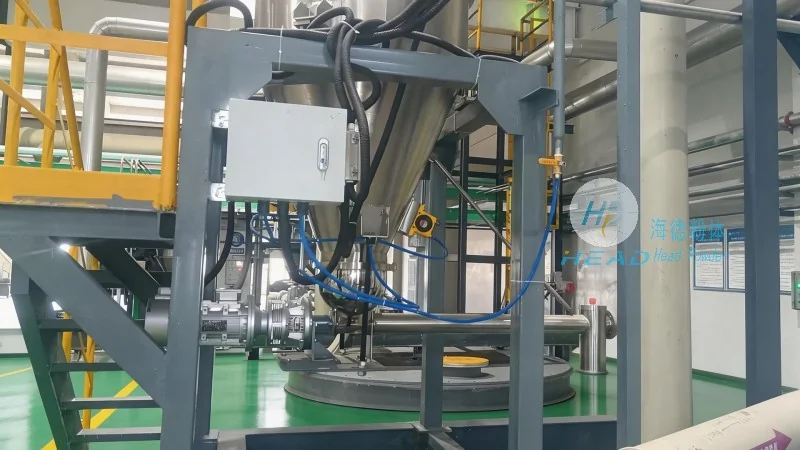
Introduction to Expanded Clay Aggregate Powder Conveying Lines
The powder conveying line for expanded clay aggregate is a critical component in industries that rely on this material. These systems are engineered to handle the unique properties of expanded clay powder, including its low density, irregular particle shape, and tendency to create dust. The primary goal is to ensure safe, efficient, and environmentally friendly transportation of the material from storage to processing or application points.
Core Working Principles
The operation of an expanded clay aggregate powder conveying line typically relies on either pneumatic or mechanical methods. Pneumatic systems use compressed air to create a flow that carries the powder through a pipeline, while mechanical systems employ screw conveyors, belt conveyors, or bucket elevators to move the material. For expanded clay, pneumatic systems are often preferred due to the material's light weight and fine particle size, which can cause issues with mechanical friction and wear. The system design must account for factors like particle size distribution, moisture content, and the need to prevent clogging or blockages in the conveying path.
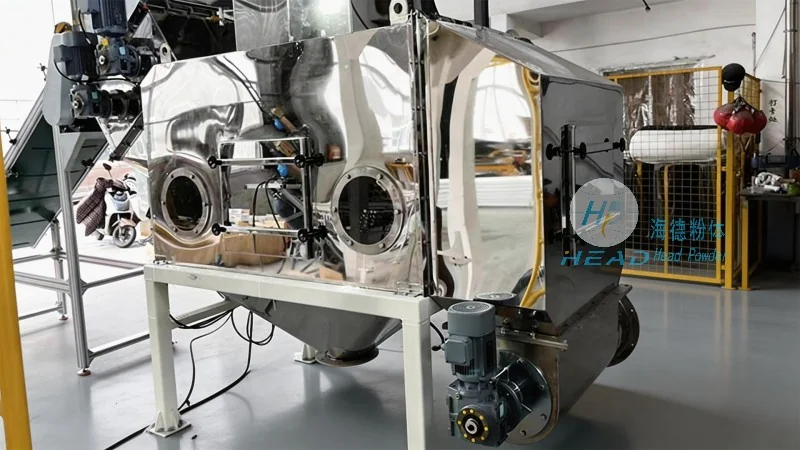
Key Working Scene Characteristics
The operational characteristics of these conveying lines vary significantly based on the application environment. In industrial production settings, the line may be integrated into a larger manufacturing process, requiring high throughput and consistent material flow. Construction sites, on the other hand, may use the system for on-site material distribution, where flexibility and ease of installation are important. Environmental applications, such as waste treatment or soil remediation, demand systems that are robust, dust-tight, and capable of handling potentially contaminated materials. Each scenario presents unique challenges, and the conveying line must be tailored to meet those specific requirements.
Company Overview - Shandong HeadPowder Engineering Co., Ltd.
HeadPowder, or Shandong HeadPowder Engineering Co., Ltd., is a leading manufacturer specializing in powder handling equipment. With operations based in Shandong, China, the company has extensive experience in designing and supplying customized conveying solutions for various industrial applications. HeadPowder's expertise lies in understanding the material properties of different powders and translating that knowledge into efficient, reliable systems. The company's commitment to quality and innovation ensures that their products meet the demanding standards of modern industry.
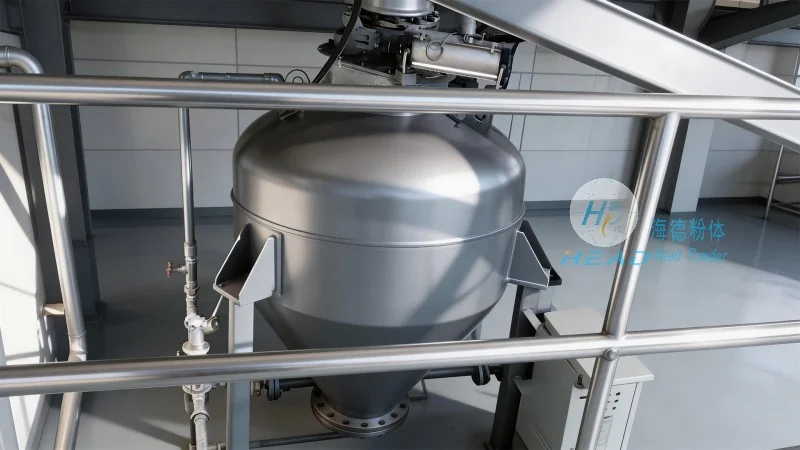
Application Scenarios in Industrial Production
In the industrial sector, expanded clay aggregate powder conveying lines are commonly used in the production of lightweight concrete, insulation materials, and other building products. The system must be capable of handling large volumes of material while maintaining a consistent particle size and moisture level. This ensures that the final product meets quality specifications and performs as intended. For example, in a concrete manufacturing plant, the conveying line delivers expanded clay powder to a mixing station, where it is combined with other ingredients to produce lightweight concrete blocks or panels.
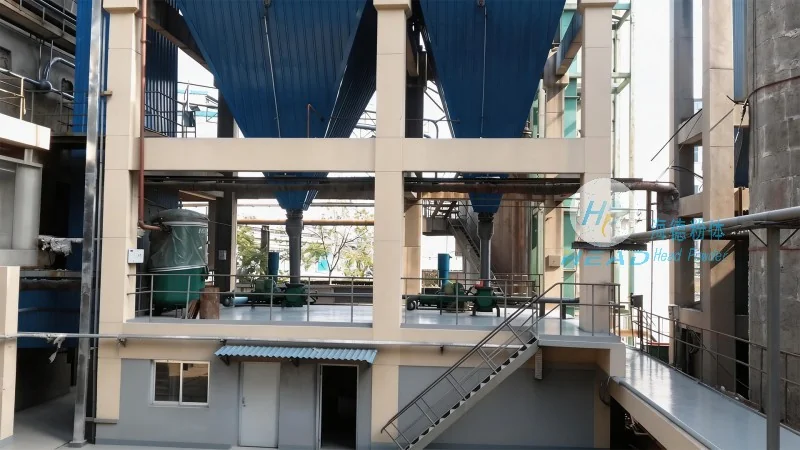
Environmental and Construction Site Applications
Environmental applications of these conveying lines include the transport of expanded clay for soil stabilization or remediation projects. In construction sites, the system may be used to distribute the material for ground improvement or as a component in building foundations. The key characteristics in these scenarios are the need for dust control and the ability to operate in outdoor or semi-outdoor environments. HeadPowder's systems are designed with weather-resistant components and dust suppression features to ensure safe and effective operation in such conditions.
Advantages in Practical Operations
Practical advantages of expanded clay aggregate powder conveying lines include energy efficiency, reduced labor costs, and improved safety. Pneumatic systems, in particular, can be more energy-efficient than mechanical alternatives for light materials like expanded clay. Additionally, the enclosed design of the conveying line minimizes dust exposure, protecting both workers and the environment. Maintenance is also simplified, as the system components are designed for easy access and replacement. Overall, these advantages make the powder conveying line an essential tool for industries relying on expanded clay aggregate.