

Principles and Application Scenarios of Calcined Sand Powder Conveying
Calcined sand powder conveying is a critical process in industrial applications, particularly in the manufacturing and processing of materials that involve fine particulate matter. Understanding the underlying principles and the specific working scenarios where such systems are applied is essential for optimizing operational efficiency and ensuring product quality. This article explores the fundamental principles of calcined sand powder conveying, along with the key characteristics of the working environments where these systems are typically utilized, with a focus on the expertise of Shandong HeadPowder Engineering Co., Ltd., a leading provider of industrial powder handling solutions.
Introduction to Calcined Sand Powder Conveying
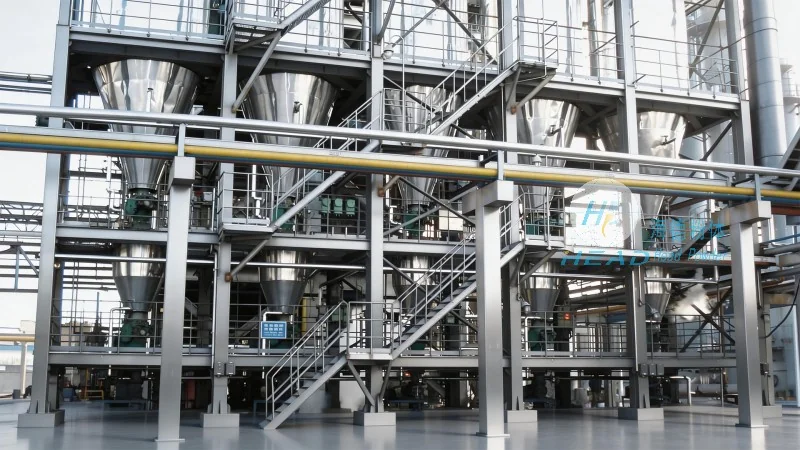
Calcined sand powder, often derived from sand that has been heated to high temperatures to remove moisture and organic content, is a common raw material in various industries, including foundries, refractory production, and construction materials manufacturing. The efficient transport of this fine powder is crucial for maintaining consistent product quality and minimizing material loss. Conveying systems for calcined sand powder must address challenges such as dust generation, material segregation, and the need for gentle handling to preserve the particle integrity. The principles of calcined sand powder conveying involve the use of specialized equipment designed to handle the unique properties of this material, including its particle size distribution, density, and flow characteristics. Shandong HeadPowder Engineering Co., Ltd. specializes in developing tailored conveying solutions that meet the specific demands of calcined sand powder applications, ensuring reliable and efficient material transport.
Key Principles of Powder Conveying
The core principles of calcined sand powder conveying revolve around creating a controlled environment that allows for the smooth and continuous movement of the material. One of the primary principles is the use of low-pressure or vacuum systems to draw the powder from a source, such as a storage silo or a processing unit, and transport it to the next stage of production. This approach helps in maintaining a consistent flow rate and preventing the material from settling or clogging the conveying lines. Another critical principle is the selection of appropriate conveying equipment, such as screw conveyors, pneumatic conveyors, or bucket elevators, which are chosen based on the specific characteristics of the calcined sand powder. For instance, screw conveyors are effective for handling free-flowing powders with minimal dust, while pneumatic conveyors are better suited for materials that are more cohesive or prone to dust generation. The company's engineers at Shandong HeadPowder Engineering Co., Ltd. conduct thorough material analysis to determine the optimal equipment for each application, ensuring the best possible performance.
Working Scenario Characteristics
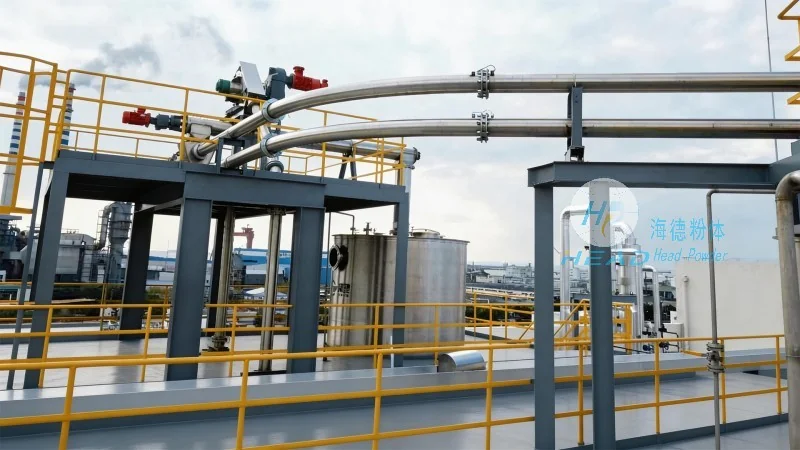
The working scenarios where calcined sand powder conveying systems are applied vary widely, depending on the industry and the specific production requirements. In foundry operations, for example, calcined sand is used as a refractory material, and the conveying system must be capable of handling large volumes of fine powder while maintaining a consistent moisture level. The working environment in such scenarios is often characterized by high temperatures and the presence of other industrial materials, requiring robust equipment that can withstand harsh conditions. In refractory production, the calcined sand powder is used to make bricks and other components, and the conveying system must ensure that the powder is mixed with other raw materials in the correct proportions. This requires precise control over the flow rate and the mixing process, which is achieved through the use of advanced control systems integrated with the conveying equipment. The company's experience in diverse industrial settings allows them to adapt conveying solutions to the unique demands of each working scenario, ensuring optimal performance.
Equipment Selection and Operational Considerations
The selection of the appropriate conveying equipment for calcined sand powder is a critical factor in ensuring the efficiency and reliability of the system. The choice of equipment depends on several factors, including the particle size distribution of the powder, the required flow rate, the distance to be conveyed, and the environmental conditions. For example, in applications where the powder is to be conveyed over long distances, a pneumatic conveyor may be more suitable due to its ability to transport materials over greater distances with minimal loss. However, for short-distance conveying within a production facility, a screw conveyor or a bucket elevator may be more cost-effective and easier to maintain. Operational considerations also include the need for regular maintenance and cleaning of the conveying equipment to prevent clogging and ensure consistent performance. This involves periodic inspection of the conveyor components, such as the screws, pipes, and valves, and the use of cleaning agents to remove any accumulated material. Shandong HeadPowder Engineering Co., Ltd. provides comprehensive maintenance services and equipment recommendations to ensure long-term operational reliability.
Impact on Product Quality and Process Efficiency
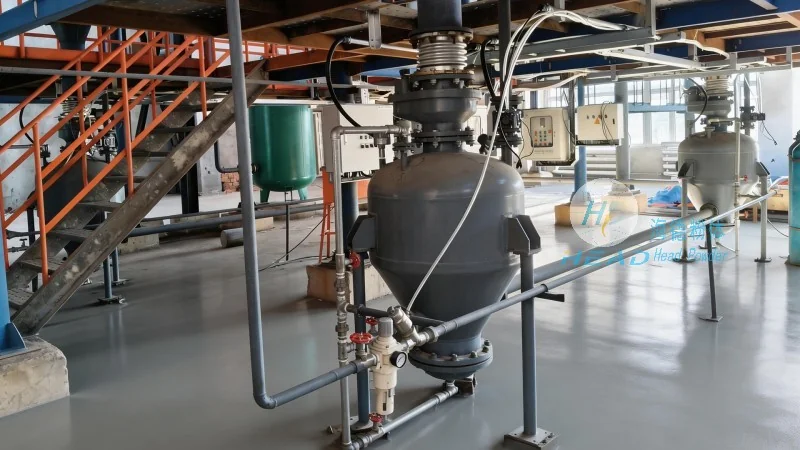
The effectiveness of calcined sand powder conveying systems directly impacts both product quality and overall process efficiency. Inadequate conveying can lead to material segregation, where larger or smaller particles are separated from the main batch, resulting in inconsistent product properties. This can affect the performance of the final product, such as its strength or durability. Additionally, inefficient conveying can lead to increased downtime and higher operational costs due to the need for more frequent maintenance or material replacement. By implementing a well-designed conveying system that adheres to the principles of calcined sand powder handling, manufacturers can ensure consistent product quality, reduce material waste, and improve overall process efficiency. This is particularly important in industries where the quality of the final product is critical, such as in the production of refractory materials or in foundry applications. The company's focus on quality control ensures that their conveying systems contribute to higher product standards and operational excellence.
Conclusion
In conclusion, the principles and working scenario characteristics of calcined sand powder conveying are essential for optimizing industrial processes that involve the handling of fine particulate materials. By understanding the unique properties of calcined sand powder and selecting the appropriate conveying equipment, manufacturers can achieve efficient and reliable material transport, leading to improved product quality and reduced operational costs. The working scenarios where these systems are applied vary, but the common goal is to maintain consistent flow rates, prevent material loss, and ensure the integrity of the powder. As the demand for high-quality calcined sand products continues to grow, the importance of effective powder conveying systems will only increase, making it a critical component in modern industrial operations. Shandong HeadPowder Engineering Co., Ltd. remains at the forefront of developing advanced conveying solutions tailored to the specific needs of calcined sand powder applications, supporting industries in achieving their production goals with efficiency and reliability.