

Principles and Working Scene Characteristics of Winery Sludge Powder Conveying
Winery sludge, a byproduct of the winemaking process, poses unique challenges for efficient handling and disposal. The proper conveyance of this material is critical for maintaining operational efficiency and environmental compliance in the wine industry. This article explores the fundamental principles behind winery sludge powder conveying and highlights the key characteristics of its working environments, with a focus on the solutions provided by Shandong HeadPowder Engineering Co., Ltd.
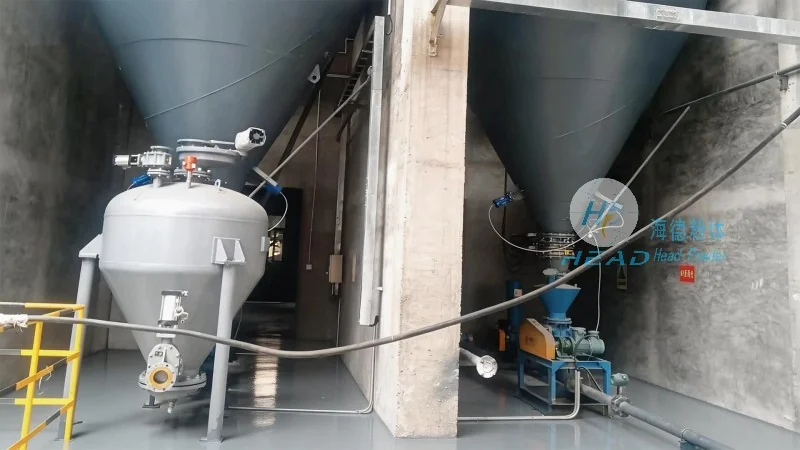
Understanding the Core Principles of Winery Sludge Powder Conveying
The effective transport of winery sludge powder relies on a combination of mechanical and pneumatic principles tailored to the material's physical properties. Winery sludge, often a mixture of grape pomace, yeast, and other organic residues, presents challenges such as high moisture content, variable particle size, and abrasive characteristics. Conventional methods like gravity flow or manual handling are insufficient for large-scale operations, necessitating specialized conveying systems. The primary principles of modern winery sludge powder conveying include:
1. Pneumatic Conveying Systems: These systems use compressed air to transport sludge powder through pipelines. They are ideal for handling fine, dry powders and can operate in both positive and negative pressure modes. Positive pressure systems push the material through the pipeline, while negative pressure systems draw it in, offering flexibility in layout and material handling. Pneumatic conveyors are particularly effective for long-distance transport and can integrate with existing processing lines.
2. Mechanical Conveying Solutions: For bulkier or wetter sludge, mechanical systems like screw conveyors, belt conveyors, and bucket elevators are employed. These systems rely on mechanical force to move the material and are often used in conjunction with pneumatic systems for multi-stage processing. Mechanical conveyors are robust and suitable for heavy-duty applications, ensuring reliable operation in demanding winery environments.
3. Hybrid Conveying Approaches: Many modern wineries adopt hybrid systems that combine pneumatic and mechanical components. This approach leverages the strengths of both methods—pneumatic for fine powder transport and mechanical for bulk handling—to achieve optimal efficiency. Hybrid systems allow for flexible processing, enabling wineries to adapt to varying sludge characteristics and production volumes.
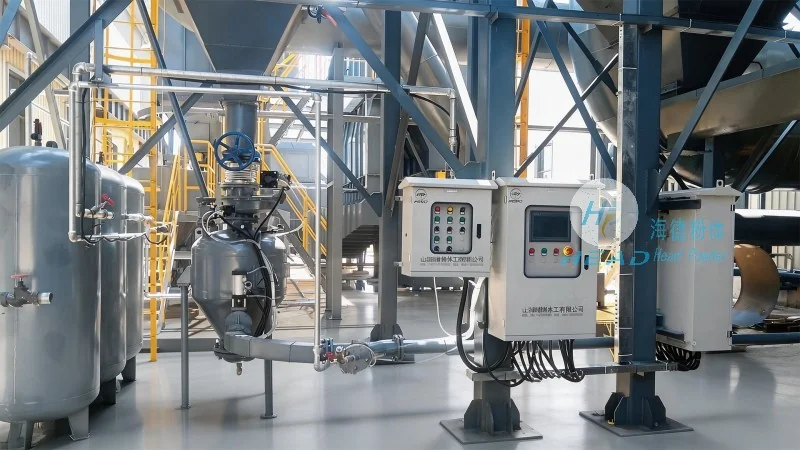
Key Working Scene Characteristics of Winery Sludge Powder Conveying
The working environments for winery sludge powder conveying are characterized by specific operational and environmental factors that influence system design and performance. Understanding these characteristics is essential for selecting the most suitable conveying solution and ensuring long-term reliability.
1. High Moisture Content and Variability: Winery sludge typically has a moisture content ranging from 60% to 80%, which affects its flowability and handling. The moisture level can vary significantly depending on the winemaking stage (e.g., post-fermentation sludge vs. pre-fermentation pomace). Systems must be designed to accommodate these variations, often incorporating drying or conditioning steps to improve material transport.
2. Variable Particle Size Distribution: Sludge particles can range from fine powders to larger pomace fragments, requiring conveyors with adjustable speed and pressure settings. The particle size distribution impacts the choice of equipment, such as the use of cyclones or filters to separate fine particles from larger solids.
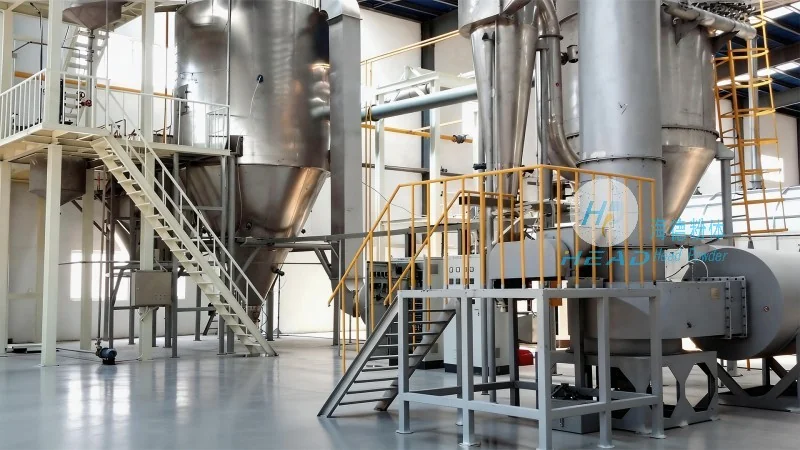
3. Sanitary and Hygienic Requirements: Wineries operate under strict sanitary standards to prevent contamination of the final product. Conveying systems must be constructed from food-grade materials, easy to clean, and resistant to corrosion from organic acids and sugars. Stainless steel is commonly used for components that come into direct contact with the sludge, ensuring compliance with industry regulations.
4. Space Constraints and Layout Flexibility: Wineries often have limited floor space, requiring compact and modular conveying systems. The ability to integrate conveyors with existing equipment and process lines is crucial. Systems that can be installed in vertical or horizontal configurations help optimize space utilization and adapt to the layout of the winery.
5. Environmental and Safety Considerations: Proper sludge handling is essential for environmental sustainability and worker safety. Conveying systems must minimize dust emissions and odors, often incorporating filtration and odor control measures. Additionally, systems should be designed with safety features like emergency shut-off valves and pressure relief mechanisms to prevent accidents and ensure compliance with occupational health regulations.
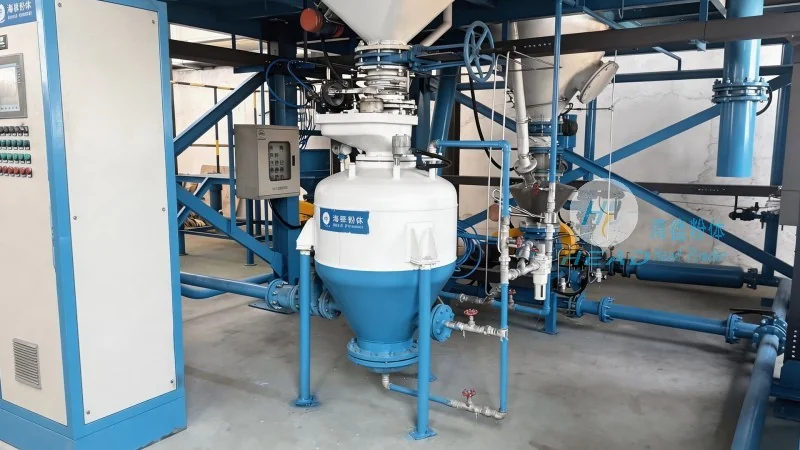
HeadPowder's Expertise in Winery Sludge Powder Conveying Solutions
Shandong HeadPowder Engineering Co., Ltd., a leading provider of specialized powder handling solutions, specializes in designing and manufacturing customized winery sludge conveying systems. With years of experience in the food and beverage industry, HeadPowder understands the unique challenges of handling winery sludge and offers tailored solutions that address the specific needs of each winery.
HeadPowder's team of engineers works closely with clients to assess their operational requirements, material characteristics, and space constraints. By leveraging advanced engineering principles and cutting-edge technology, HeadPowder develops systems that optimize efficiency, reduce downtime, and ensure compliance with industry standards. The company's commitment to quality and customer satisfaction has made it a trusted partner for wineries worldwide.
HeadPowder's product line includes a range of pneumatic and mechanical conveying systems, as well as hybrid solutions, all designed to handle the unique properties of winery sludge. The company's systems are built with durable materials, easy maintenance in mind, and equipped with features that enhance performance and reliability. Whether for small-scale wineries or large industrial operations, HeadPowder provides solutions that meet the highest standards of efficiency and sustainability.
HeadPowder's headquarters is located in Shandong, China, where the company maintains a state-of-the-art research and development facility. This facility allows for continuous innovation and the testing of new technologies to improve sludge handling processes. The company's expertise in material science and process engineering ensures that their solutions are both effective and cost-efficient, helping wineries achieve their operational goals while minimizing environmental impact.