

Principle and Working Scene Characteristics of Vacuum Powder Feeding and Conveying
Vacuum powder feeding and conveying represents a sophisticated industrial solution for the efficient and controlled transport of bulk powders and granular materials. This technology is rooted in the fundamental principle of creating a pressure differential between the material source and the receiving point, which is achieved through the use of vacuum pumps. By reducing the internal pressure of the conveying line below atmospheric pressure, the surrounding atmospheric pressure forces the material into the system, enabling seamless movement from the source to the destination. The process is particularly advantageous for handling fine powders, as it avoids the mechanical friction and potential contamination that can occur with other conveying methods. This makes vacuum conveying an ideal choice for industries where material purity and integrity are paramount.
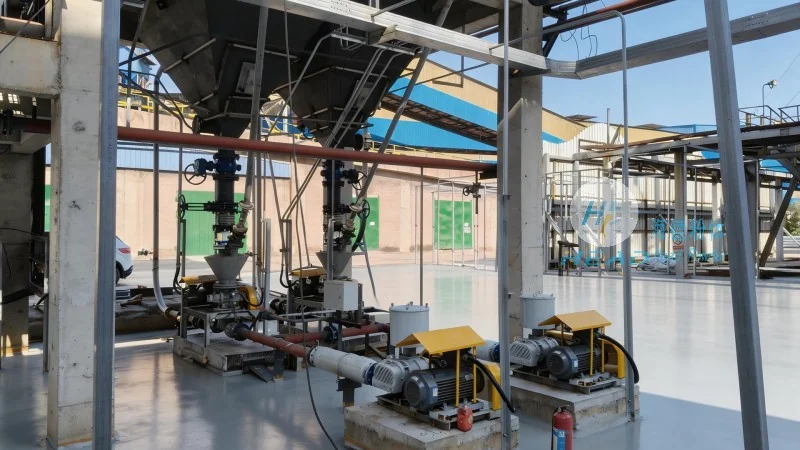
Key Working Principles and System Components
The operation of a vacuum powder conveying system is governed by several key principles and components that work in tandem to ensure efficient material transport. The primary driver is the vacuum pump, which can be either rotary vane, roots, or liquid ring types, depending on the system requirements and material characteristics. The pump creates a vacuum in the pipeline, establishing a pressure gradient that pulls the material into the conveying line. As the material enters the system, it is often assisted by a feed hopper or inlet, which helps to regulate the flow and prevent blockages. The conveying line itself is typically made of materials such as stainless steel or PTFE, chosen for their resistance to corrosion and material interaction. Additionally, systems may incorporate filters, cyclones, and dust collectors to separate any entrained air or fine particles from the material, ensuring that the product remains clean and free from contaminants. The control system, which includes sensors and valves, monitors the pressure and flow rates, allowing for real-time adjustments to maintain optimal performance.
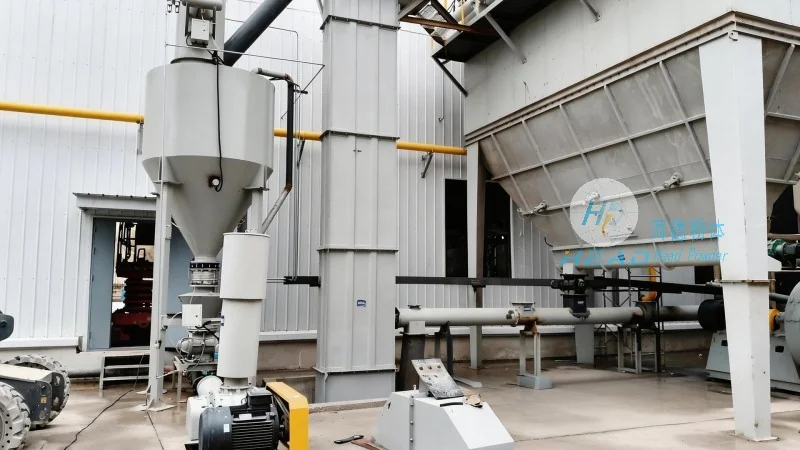
Working Scene Characteristics and Diverse Application Scenarios
Vacuum powder feeding and conveying systems are versatile and find applications across a wide array of industrial sectors, each with unique requirements that the technology addresses effectively. In the pharmaceutical industry, for example, these systems are critical for handling active pharmaceutical ingredients (APIs) and excipients, where maintaining sterility and preventing cross-contamination is non-negotiable. The gentle nature of vacuum conveying preserves the material's properties, ensuring that the final product meets stringent regulatory standards. Similarly, in the food and beverage industry, vacuum systems are used to transport ingredients like flour, sugar, and spices, adhering to strict hygiene and safety guidelines. The ability to handle hygroscopic materials without moisture loss is a key advantage here. The chemical industry also relies heavily on vacuum conveying for handling reactive or hazardous powders, such as chemicals used in manufacturing or processing. By controlling the material's exposure to air and moisture, the system minimizes the risk of reactions or degradation, enhancing overall safety and operational efficiency.
Advantages of Vacuum Powder Conveying in Industrial Operations
Several distinct advantages make vacuum powder conveying a preferred choice over alternative methods in many industrial settings. Firstly, the system's ability to handle a broad spectrum of materials, from fine powders to bulk granules, without the need for mechanical components that could cause wear or contamination is a significant benefit. This reduces maintenance costs and extends the lifespan of the equipment. Secondly, the flexibility of vacuum conveying allows for vertical, horizontal, or inclined transport, making it suitable for complex facility layouts and space constraints. Unlike pneumatic systems that use compressed air, vacuum systems operate on lower pressure differentials, resulting in lower energy consumption and reduced operational costs. The process is also gentle on the material, preserving its physical and chemical properties, which is essential for products that are sensitive to temperature or pressure changes. Furthermore, the system's self-cleaning capabilities, particularly when equipped with filters and cyclones, help to maintain consistent performance and reduce downtime. Overall, these advantages contribute to improved productivity, reduced material waste, and enhanced safety in industrial operations.
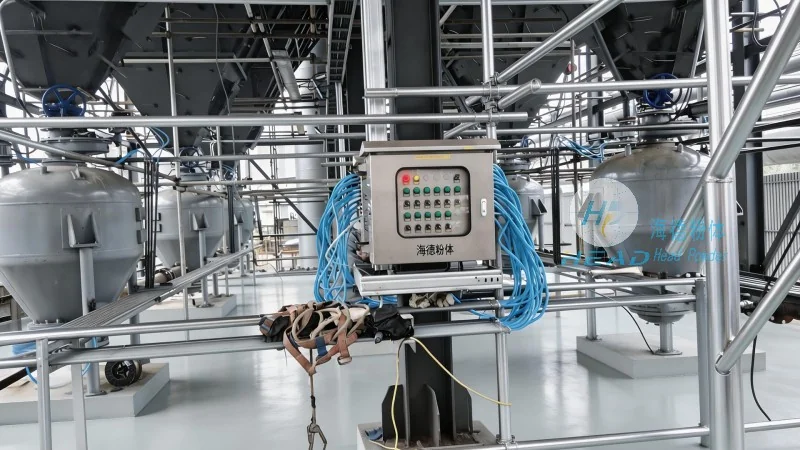
Company Profile: Shandong HeadPowder Engineering Co., Ltd.
HeadPowder, a prominent player in the industrial material handling sector, is dedicated to providing innovative and reliable vacuum powder feeding and conveying solutions. As a manufacturer based in Shandong, China, HeadPowder leverages local expertise and advanced manufacturing capabilities to deliver high-quality products to global markets. The company's mission is to enhance industrial efficiency by offering tailored solutions that meet the specific needs of clients across various industries. HeadPowder's team of engineers and technicians specializes in designing systems that optimize material transport while ensuring compliance with industry standards and regulations. The company's commitment to quality is reflected in its rigorous testing and quality control processes, which ensure that each product meets the highest performance and reliability standards. With a strong focus on customer satisfaction and long-term partnerships, HeadPowder continues to be a trusted provider of vacuum powder conveying systems in the industry.