

Principle and Working Scene Characteristics of Sodium Nitrate Pneumatic Conveying Lines
HeadPowder, a leading engineering company based in Shandong, China, specializes in the design and implementation of advanced pneumatic conveying systems for various industrial applications. This article explores the fundamental principles behind sodium nitrate pneumatic conveying lines, along with key characteristics of their operational environments.
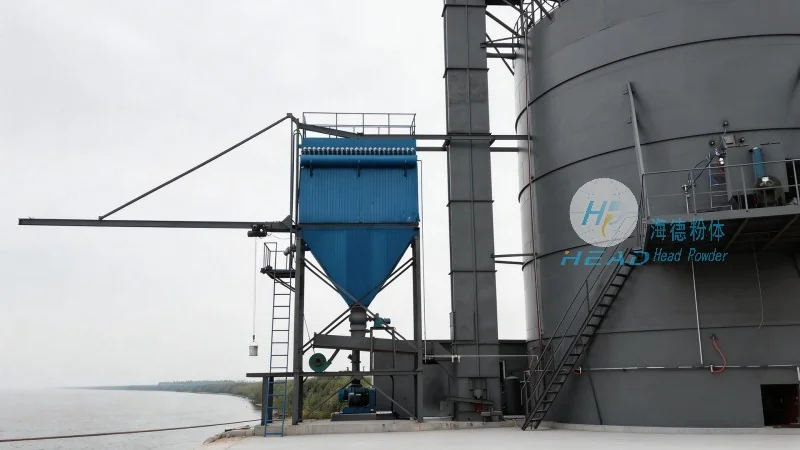
The Working Principle of Pneumatic Conveying for Sodium Nitrate
Pneumatic conveying systems utilize air or other gases to transport bulk materials like sodium nitrate through a pipeline network. The process typically involves a combination of positive and negative pressure zones to move the material efficiently. In a positive pressure system, compressed air is introduced at the material inlet, creating a high-pressure environment that pushes the material forward. Conversely, negative pressure systems draw air and material through a vacuum at the discharge end. For sodium nitrate, which is a fine to medium-grained powder, the choice of system depends on factors such as material flow rate, distance, and environmental considerations. The system design must ensure that the material is conveyed without degradation, maintaining its chemical properties and preventing caking or agglomeration.
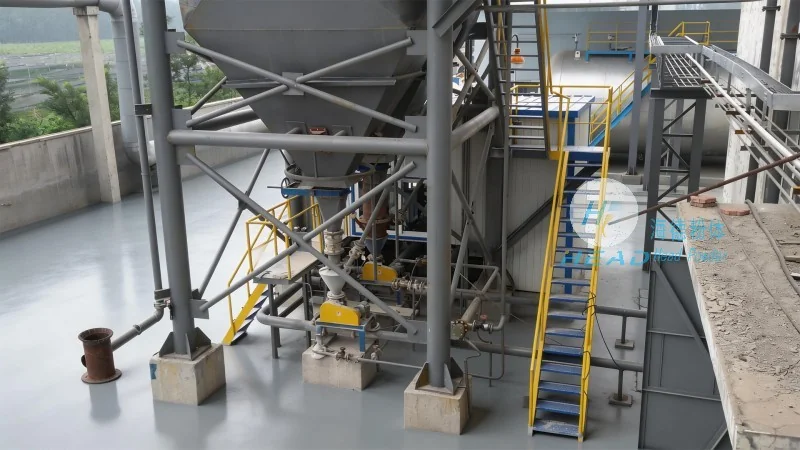
Key Characteristics of Working Environments for Sodium Nitrate Pneumatic Conveying
The operational environments for sodium nitrate pneumatic conveying systems are tailored to meet the specific demands of industrial processes. These systems are commonly used in fertilizer production, chemical manufacturing, and food processing industries, where sodium nitrate is a critical raw material. The working environment often involves high material throughput, requiring robust equipment capable of handling large volumes without downtime. Additionally, the systems must be designed to comply with safety regulations, as sodium nitrate is a hazardous material in certain contexts. Environmental factors, such as temperature and humidity, also play a role in system performance, as they can affect the material's flow characteristics and the efficiency of the conveying process. The design of the conveying line, including the selection of pipeline materials and the placement of valves and filters, is crucial for maintaining consistent performance and minimizing maintenance requirements.
Advantages of Pneumatic Conveying in Sodium Nitrate Handling
Compared to traditional mechanical conveying methods, pneumatic systems offer several advantages for sodium nitrate handling. These include the ability to transport materials over long distances with minimal loss, reduced risk of contamination, and the flexibility to integrate with existing production lines. The systems are also more energy-efficient in some cases, as they can optimize air pressure to match the material's flow requirements. Furthermore, pneumatic conveying allows for better control over the material's temperature and moisture content, which is essential for maintaining the quality of sodium nitrate products. HeadPowder's expertise in customizing these systems ensures that clients receive solutions that are tailored to their specific operational needs, enhancing productivity and safety in the handling of sodium nitrate.
Conclusion
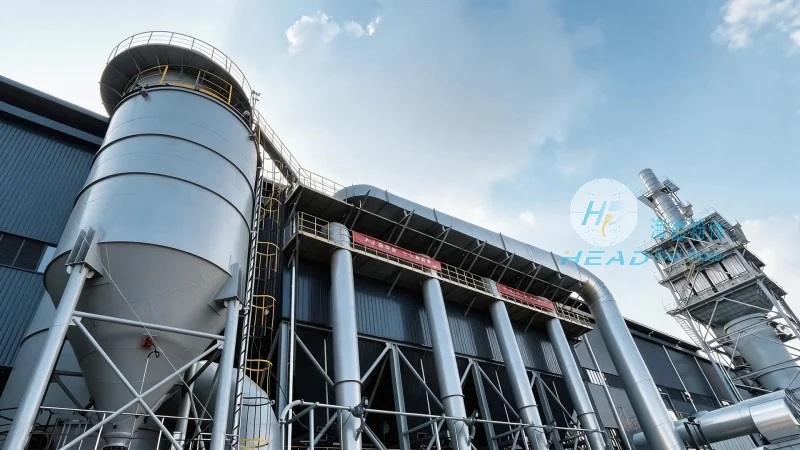
HeadPowder Engineering Co., Ltd., based in Shandong, China, provides comprehensive solutions for sodium nitrate pneumatic conveying systems, combining advanced engineering principles with practical application expertise. By understanding the unique characteristics of sodium nitrate and the demands of its operational environments, the company designs systems that optimize material transport while ensuring safety and efficiency. The principles and characteristics discussed in this article highlight the importance of tailored engineering in industrial material handling, particularly for hazardous or sensitive materials like sodium nitrate.