

Principle and Working Scene Characteristics of Fine Light Sand Pneumatic Conveying Line
HeadPowder, a leading manufacturer based in Shandong, China, specializes in the design and production of advanced pneumatic conveying systems tailored for fine light sand applications. This article explores the fundamental principles behind fine light sand pneumatic conveying lines and highlights the key characteristics of their operational environments.
Principle of Fine Light Sand Pneumatic Conveying
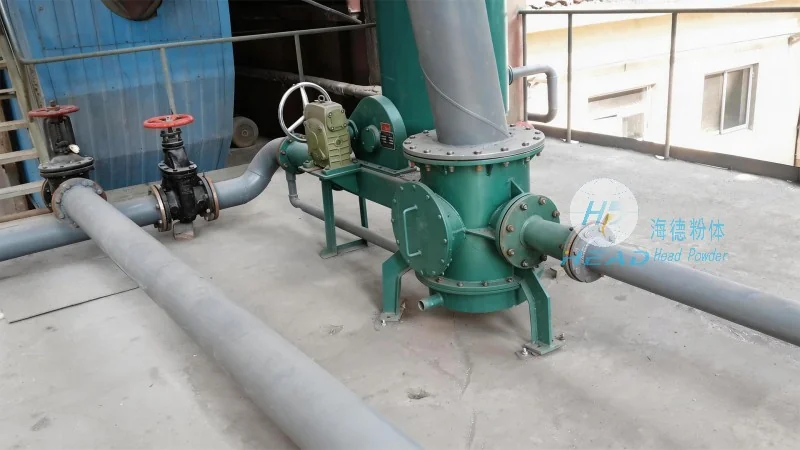
Fine light sand pneumatic conveying operates on the principle of transporting solid particles through a pipeline using a moving gas stream. The system typically employs either positive pressure (pressure conveying) or negative pressure (vacuum conveying) to move the material. In positive pressure systems, a blower or compressor generates compressed air that propels the sand particles forward. The air and sand mixture travels through the pipeline, with the air providing the necessary momentum to overcome resistance and maintain flow. Conversely, negative pressure systems use a vacuum pump to create a low-pressure zone that draws the sand into the pipeline, where it is then carried by the induced airflow. The design of the conveying line, including the size and shape of the pipeline, the type of air valves, and the placement of inlets and outlets, is critical to ensuring efficient and reliable transport. The system must be optimized to handle the specific properties of fine light sand, such as its low density, fine particle size, and potential for dust generation, to minimize blockages and maximize throughput.
Working Scene Characteristics of Fine Light Sand Pneumatic Conveying Lines
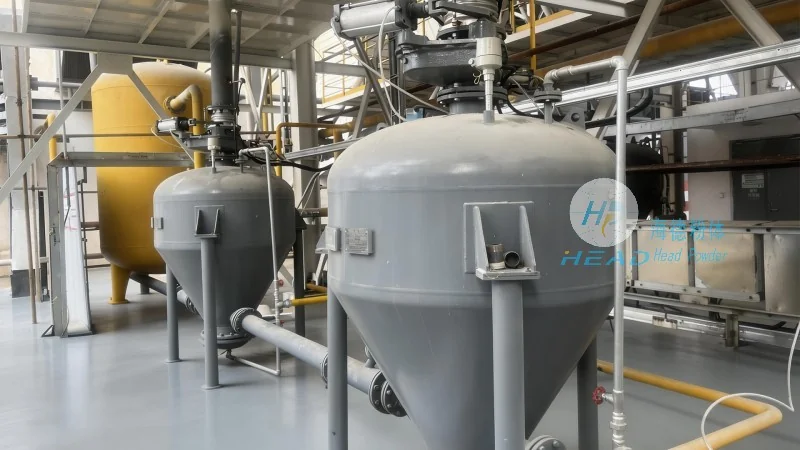
The operational environment of fine light sand pneumatic conveying lines varies significantly based on the industry and application. In the foundry industry, for example, these systems are commonly used to transport sand for mold making, where consistent and clean material flow is essential to ensure the quality of castings. The lines are often integrated into automated production lines, requiring precise control over the conveying rate and pressure to maintain uniform sand distribution. In the glass manufacturing sector, fine light sand is used as a raw material for glass production, and the conveying system must handle the high temperatures and abrasive nature of the material. The lines are designed with heat-resistant components and robust filtration to prevent contamination and ensure the purity of the sand. Additionally, in chemical processing plants, fine light sand may be used as a carrier or filler, and the pneumatic conveying system must comply with safety regulations and handle potentially hazardous materials. The working scene characteristics also include considerations of space constraints, as the lines are often installed in compact areas within factories, requiring flexible and space-saving designs. Environmental factors, such as dust control and noise reduction, are also critical, as these systems can generate significant airborne particles and noise levels. The characteristics of the working environment, including the scale of operation, the type of equipment used, and the specific material properties, all influence the design and performance of the pneumatic conveying line.
Key Features and Advantages in Different Applications
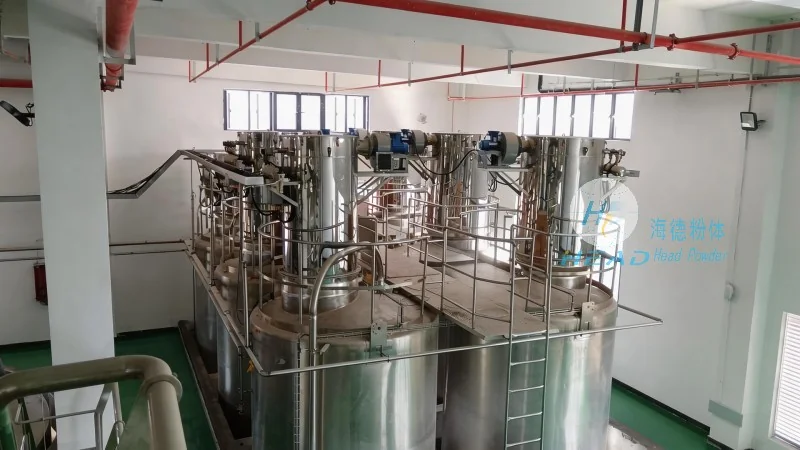
Across various industries, fine light sand pneumatic conveying lines offer several advantages that make them a preferred choice for material handling. One of the primary benefits is the ability to achieve continuous, dust-free transport, which improves workplace safety and reduces the risk of material contamination. Unlike traditional belt or bucket elevators, pneumatic systems eliminate the need for physical contact with the material, minimizing wear and tear on equipment and extending its lifespan. The flexibility of the system allows for easy integration into existing production lines, with the ability to add or modify conveying routes as needed. Additionally, the system can handle a wide range of particle sizes and densities, making it suitable for diverse applications. In terms of energy efficiency, modern pneumatic conveying systems are designed to minimize air consumption while maintaining high throughput, reducing operational costs. The environmental benefits are also significant, as the enclosed system prevents dust from being released into the atmosphere, contributing to cleaner air and compliance with environmental regulations. These features make fine light sand pneumatic conveying lines an effective solution for industries seeking reliable, efficient, and environmentally friendly material handling solutions.

Conclusion
From the fundamental principles of air and particle interaction to the specific characteristics of operational environments, fine light sand pneumatic conveying lines represent a sophisticated and versatile technology. Manufactured by Shandong HeadPowder Engineering Co., Ltd. in Shandong, China, these systems are engineered to meet the demands of various industries, ensuring efficient, safe, and reliable transport of fine light sand. The combination of advanced design, robust construction, and adherence to industry standards makes them a trusted choice for companies seeking to optimize their material handling processes. As technology continues to evolve, these systems will likely become even more efficient and adaptable, further enhancing their role in modern industrial applications.