

Principle and Application Scenarios of Magnesium Oxide Pneumatic Conveying Systems
Magnesium oxide (MgO), commonly known as magnesia, is a critical industrial material widely used in various sectors such as refractory materials, pharmaceuticals, and chemical manufacturing. The efficient and safe transportation of MgO from production sites to processing facilities is essential for maintaining production efficiency and product quality. Pneumatic conveying systems have emerged as a preferred solution for handling MgO due to their ability to transport powders in a dust-free environment, reducing operational risks and improving overall process reliability. This article explores the fundamental principles of magnesium oxide pneumatic conveying lines and highlights key application scenarios where these systems excel.
Core Principles of Pneumatic Conveying for Magnesium Oxide
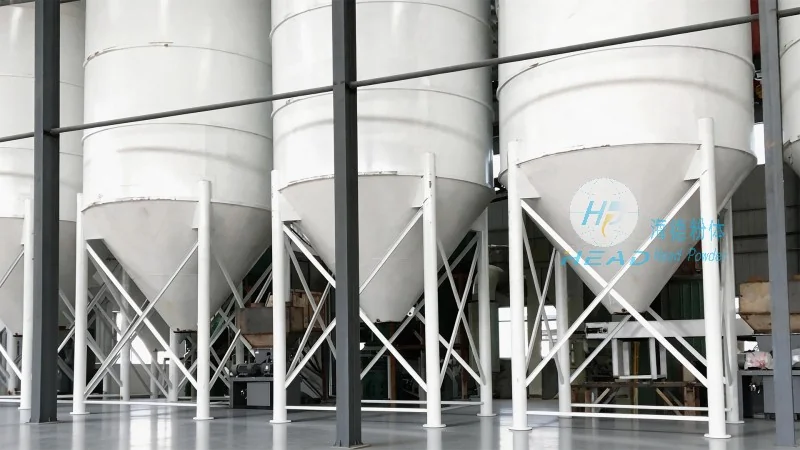
The operation of a magnesium oxide pneumatic conveying line is based on the fundamental principle of using air or other gases to transport particulate materials through a pipeline system. There are two primary types of pneumatic conveying systems: pressure and vacuum. Pressure systems utilize compressed air to push the material forward, while vacuum systems use a vacuum to draw the material into the pipeline. For MgO, which is a fine powder with specific handling characteristics, the choice of system depends on factors like material flow rate, distance, and the need for dust control.
Key components of a typical MgO pneumatic conveying system include the material feed hopper, air compressor or vacuum pump, conveying pipeline, and material discharge equipment. The feed hopper ensures a consistent supply of MgO, preventing blockages and maintaining a stable flow rate. The air compressor or vacuum pump generates the necessary pressure or vacuum to move the material through the pipeline. The conveying pipeline is designed with appropriate diameter and material to withstand the pressure and abrasive nature of MgO particles. Finally, the discharge equipment, such as a rotary valve or dust collector, controls the release of MgO at the destination point, ensuring precise material delivery.
Working Scenarios and Application Characteristics
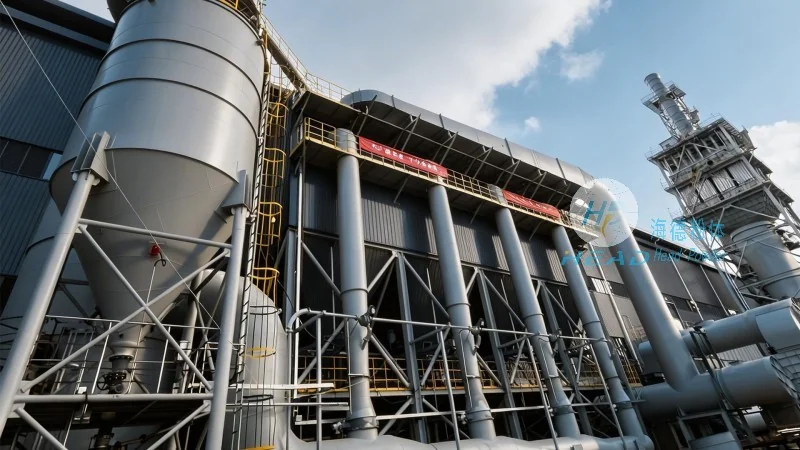
HeadPowder, a leading manufacturer of industrial conveying solutions, has developed specialized pneumatic conveying lines tailored for the unique properties of magnesium oxide. These systems are designed to handle the fine, abrasive nature of MgO while maintaining high efficiency and low maintenance costs. The application scenarios for MgO pneumatic conveying lines vary based on the specific requirements of the end-user and the scale of operation.
One common scenario is the transportation of MgO from storage silos to processing equipment in chemical plants. In this case, a pressure pneumatic conveying system is often preferred due to the need to move material over longer distances with consistent flow rates. The system can be integrated with existing silo infrastructure, ensuring seamless material transfer without the need for manual handling. Another application scenario involves the delivery of MgO to manufacturing lines for the production of refractory bricks or other composite materials. Here, the conveying system must maintain a high degree of purity, as any contamination from the pipeline or air can affect the final product quality. HeadPowder's systems are equipped with advanced filtration and cleaning mechanisms to ensure that the MgO remains free from impurities throughout the conveying process.
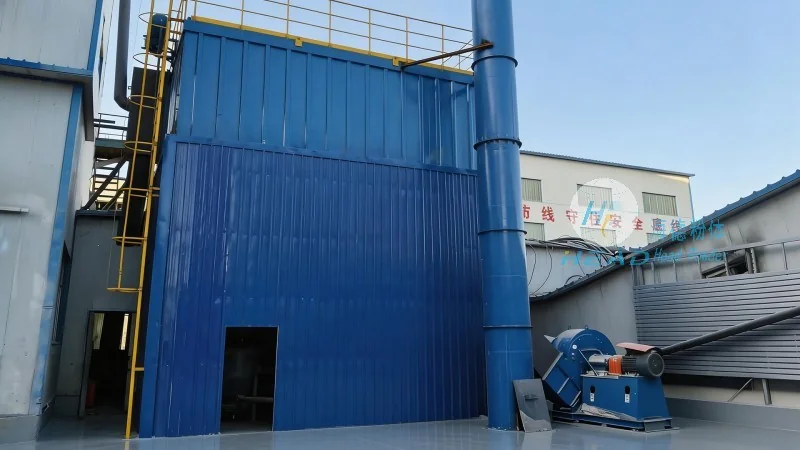
In pharmaceutical and food processing industries, where MgO is used as an antacid or filler, the pneumatic conveying system must meet stringent hygiene and safety standards. The use of stainless steel components and sealed pipelines in these systems prevents cross-contamination and ensures compliance with regulatory requirements. The vacuum conveying system is particularly suitable for these applications as it minimizes the risk of dust exposure and provides a gentle handling method for the material, preserving its physical properties.
Advantages of Magnesium Oxide Pneumatic Conveying Systems
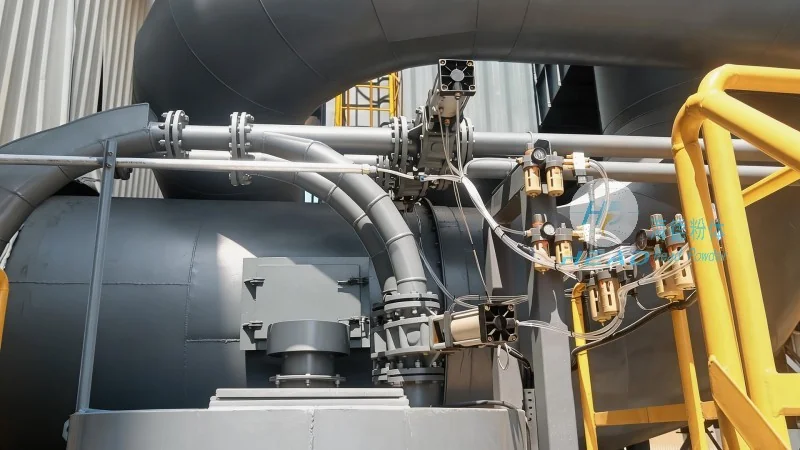
Compared to traditional mechanical conveying methods, such as screw conveyors or bucket elevators, pneumatic conveying systems offer several advantages when handling magnesium oxide. Firstly, they provide a dust-free operation, which enhances workplace safety and reduces the risk of respiratory issues associated with fine powder handling. Secondly, pneumatic systems can handle a wide range of material flow rates and distances, making them versatile for various industrial applications. Thirdly, the absence of moving parts in the pipeline reduces maintenance requirements and extends the service life of the equipment. Additionally, the ability to integrate with existing production lines and adapt to changing production needs makes pneumatic conveying a cost-effective solution for MgO transportation.
Conclusion
As an essential component in many industrial processes, the efficient transportation of magnesium oxide is critical for maintaining production efficiency and product quality. Pneumatic conveying systems, particularly those designed by HeadPowder, offer a reliable and effective solution for handling MgO in various application scenarios. By understanding the core principles of pneumatic conveying and leveraging specialized equipment, industries can optimize their material handling processes and achieve higher levels of operational efficiency. With its commitment to quality and innovation, Shandong HeadPowder Engineering Co., Ltd. continues to provide advanced pneumatic conveying solutions that meet the evolving needs of the magnesium oxide industry.