

The Principle and Working Scene Characteristics of Straw Ash Pneumatic Conveying Lines
Straw ash, a byproduct from biomass combustion processes, presents unique handling challenges due to its fine particle size and potential for dust generation. Efficient and reliable transport of straw ash is crucial for maintaining operational efficiency and environmental compliance in agricultural and energy production facilities. This article explores the principle and working scene characteristics of straw ash pneumatic conveying lines, highlighting the technical solutions offered by Shandong HeadPowder Engineering Co., Ltd., a leading provider in the field.
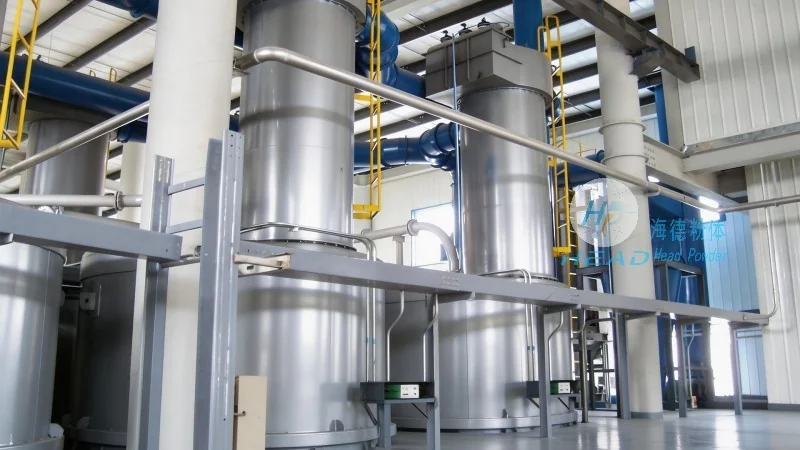
Understanding the Core Principle of Straw Ash Pneumatic Conveying
The fundamental principle of pneumatic conveying for straw ash involves the use of a pressurized air system to transport particulate materials through a pipeline. Unlike mechanical conveying methods, which rely on physical contact and friction, pneumatic systems utilize air pressure to move materials, reducing wear and tear on equipment and minimizing the risk of material degradation. The process typically operates under either positive pressure (where air is forced through the pipeline) or negative pressure (where air is drawn through the pipeline), with the choice depending on the specific application and material characteristics.
Key Components and Their Function in Pneumatic Conveying Systems
Shandong HeadPowder Engineering Co., Ltd. designs and manufactures comprehensive pneumatic conveying systems tailored for straw ash transport. The core components include a blower or compressor to generate the necessary air pressure, a hopper or feeder to introduce the ash into the system, a pipeline network to transport the material, and a receiver or silo to collect the delivered ash. Each component plays a critical role in ensuring smooth and efficient operation. The blower provides the driving force, while the feeder controls the flow rate to maintain consistent pressure and prevent blockages. The pipeline design, often featuring flexible or rigid sections, must be optimized to handle the specific particle size and density of straw ash, minimizing pressure losses and ensuring reliable transport over long distances.
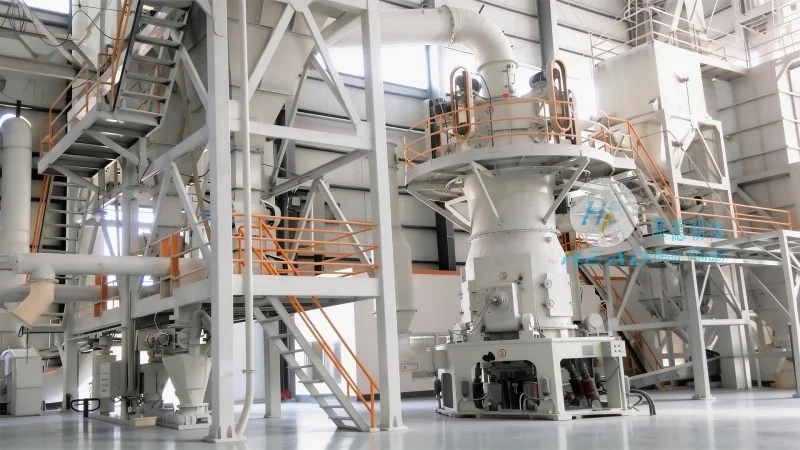
Working Scene Characteristics: Application in Agricultural and Energy Facilities
The working scene characteristics of straw ash pneumatic conveying lines are closely tied to the operational environments where they are deployed. In agricultural settings, these systems are commonly used in biomass power plants, where straw is burned to generate electricity. The ash produced from combustion is collected and transported to storage or disposal sites using pneumatic lines. The key characteristics in this scenario include high material throughput, the need for dust control measures, and the requirement for systems that can handle varying ash compositions over time. In energy facilities, the focus is on maintaining consistent ash removal rates to prevent accumulation and ensure continuous operation. The systems must also be designed for easy maintenance and cleaning, as ash can be abrasive and may lead to equipment wear.
Advantages of Pneumatic Conveying for Straw Ash Handling
Compared to traditional conveying methods such as screw conveyors or belt conveyors, pneumatic conveying offers several advantages for straw ash handling. These include reduced labor costs due to automated operation, lower maintenance requirements as there are fewer moving parts, and improved safety by minimizing human exposure to dust and ash. Additionally, pneumatic systems can transport materials over longer distances with less energy consumption compared to mechanical systems, making them more cost-effective for large-scale applications. The ability to handle fine particles without segregation or degradation is another critical advantage, as straw ash often contains small, fragile particles that can be easily damaged by mechanical contact.
Customization and Scalability: Meeting Diverse Operational Needs
Shandong HeadPowder Engineering Co., Ltd. specializes in providing customized pneumatic conveying solutions that meet the specific needs of each client. The company’s engineers work closely with clients to assess their operational requirements, including the volume of ash to be transported, the distance of transport, and the desired system efficiency. Based on these assessments, they design systems that can be scaled up or down to accommodate varying production levels. For example, a small-scale system might be suitable for a local biomass plant with limited ash output, while a large-scale system could be deployed in a regional power station handling high volumes of ash. The company also offers options for system integration, allowing clients to incorporate the pneumatic conveying line into their existing infrastructure without major disruptions.
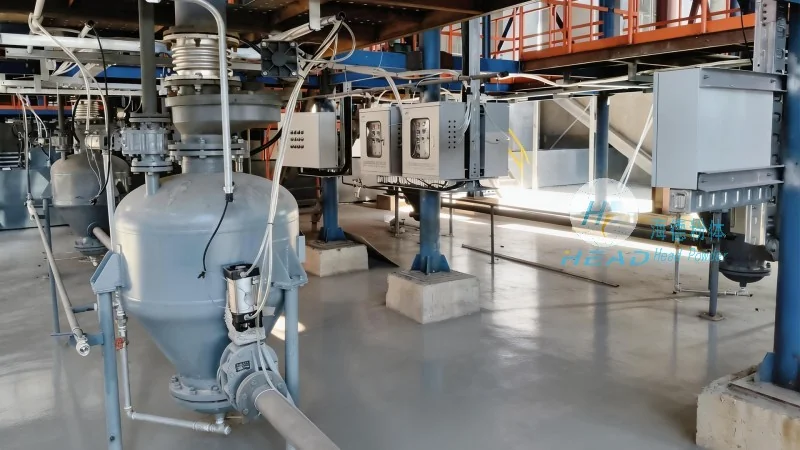
Maintenance and Longevity: Ensuring System Reliability
Proper maintenance is essential to ensure the long-term reliability and efficiency of straw ash pneumatic conveying lines. Shandong HeadPowder Engineering Co., Ltd. provides comprehensive maintenance services and spare parts support to help clients keep their systems in optimal condition. Regular checks of the blower and compressor for wear and tear, cleaning of the pipeline to prevent ash buildup, and inspection of the feeder and hopper for blockages are all critical maintenance tasks. The company also recommends using high-quality materials for components that come into direct contact with the ash, such as wear-resistant liners and corrosion-resistant pipes, to extend the lifespan of the system. By following these maintenance practices, clients can ensure that their pneumatic conveying lines operate efficiently and reliably for years to come.
Conclusion: The Role of Pneumatic Conveying in Sustainable Straw Ash Management
In conclusion, straw ash pneumatic conveying lines represent a highly effective and efficient solution for the transport of biomass ash in agricultural and energy facilities. The principles and working scene characteristics of these systems, as explained by Shandong HeadPowder Engineering Co., Ltd., highlight the technical advancements and practical benefits that make them a preferred choice for modern operations. By leveraging pneumatic conveying, facilities can improve operational efficiency, reduce costs, and enhance safety while contributing to sustainable waste management practices. As the demand for biomass energy continues to grow, the importance of reliable and efficient ash handling systems will only increase, making the expertise of companies like Shandong HeadPowder Engineering Co., Ltd. more critical than ever.